By Charlie McCarthy
Wednesday, July 22, 2026
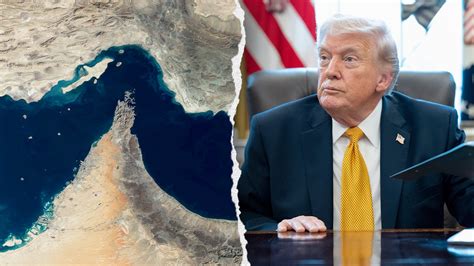
President Donald Trump announced Wednesday that the United States will destroy one bridge or power plant for every ship Iran fires upon in the Strait of Hormuz.
The warning followed another night of U.S. airstrikes targeting Iranian military infrastructure, including aircraft hangars and drone storage facilities. In a Truth Social post, Trump stated: “From this point forward, any time the Islamic Republic of Iran shoots at a ship in the Strait of Hormuz, whether by missile, rocket, drone, or any other weapon, the United States will bomb and destroy one bridge or power plant—including those located next to, or in, the Capital City of Tehran.”
Trump has repeatedly vowed to maintain open access to the strategic waterway, which carries roughly one-fifth of global traded oil and gas, while preventing Iranian threats to international shipping. His latest message signaled an escalation in U.S. retaliation for any Iranian attacks on commercial vessels.
Iranian air defenses remained active over Tehran as American strikes entered their 11th consecutive night of operations. Iran also launched missiles toward Jordan’s port city of Aqaba, prompting interceptions by Jordanian forces and raising regional escalation concerns. Officials in Bahrain and Saudi Arabia reported missile alerts but later confirmed the immediate danger had passed.
The renewed violence came after diplomatic efforts showed minimal public progress. Iranian officials maintain discussions continue through intermediaries, but Trump declared Tuesday the U.S. has “no interest in meeting” Tehran. Secretary of State Marco Rubio defended the administration’s hardline stance, warning that allowing Iran to control the Strait would establish a dangerous precedent: “If we create a precedent where a nation-state can decide they are going to control an international waterway, charge a toll, and if you don’t pay them, blow up your ships—we have created a very dangerous precedent.”
Global energy markets reacted sharply as Brent crude climbed to approximately $94 per barrel. Analysts attributed the surge to fears of prolonged disruptions in shipping through the Strait of Hormuz and new threats from Iran-backed Houthi rebels targeting vessels in the Red Sea.