By Sam Barron | Tuesday, July 21, 2026
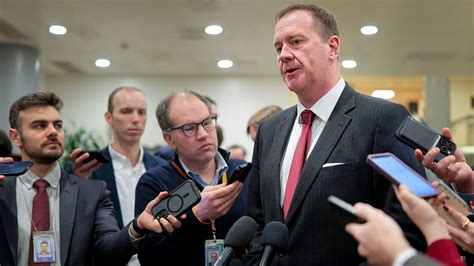
Sen. Eric Schmitt, R-Mo., said on Tuesday that the United States must address the effect of employment-based immigration on American workers.
“Not a lot of people want to talk about it, but the time is now,” Schmitt stated. “Working folks—the people I grew up with—faced this double whammy: their jobs were shipped overseas for cheap labor.”
“And as they sought new and different jobs, the country was flooded with illegal immigration,” he added.
“But also, there’s a legal immigration problem,” Schmitt continued. “Take the H-1B visa program where well-qualified individuals—even engineers—now compete with foreign workers brought in at cheaper rates.”
Schmitt noted many qualified Americans lose out to Chinese students on visas.
“There’s a tax break when they graduate for corporations to hire them [legal immigrants], as opposed to American students,” he explained. “This is affecting wages and housing.”
“Even the Fed has noted rents are soaring because you have 20 million people here illegally—the most in U.S. history over four years,” Schmitt referenced, citing the Federal Reserve.
The senator highlighted that Microsoft, which recently laid off 5,000 employees, is bringing in more than 2,000 foreign visa workers.
“That’s a classic example,” Schmitt said. “These are American workers qualified for tech jobs. The only reason companies like Microsoft bring people in to replace them is they can pay a lower wage.”
Schmitt called for changes to the H-1B visa program to prevent foreign students from displacing American graduates.
“You see it in the numbers,” he said. “Some of the highest unemployment rates are among engineering degree holders.”
“We tell people, go learn how to be an engineer,” Schmitt added. “But that’s not fair if you’re competing with cheaper foreign labor.”
“It’s not because we don’t have workers who do those jobs,” Schmitt continued. “They’re bringing in replacement workers at lower costs. And the American worker then bears the indignity of training them—plus maybe $200,000 in student loans to pay off.”