Wednesday, 08 July 2026 04:44 AM EDT
By Peter Mcilvenna
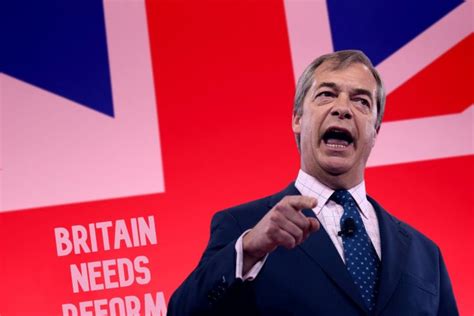
Nigel Farage has always defied Westminster norms.
On Tuesday, the Reform UK leader announced his resignation as MP for Clacton-on-Sea to trigger a by-election he plans to contest. His stated goal is to turn his departure into a direct test of voters he claims have been overlooked by the political establishment.
In a video statement delivered at Millbank Tower in London on July 7, 2026, Farage emphasized: “Let me be absolutely clear: I have done nothing wrong. I have not broken the law in any way. I have not misused public money.” He admitted to accepting a personal gift from crypto billionaire Christopher Harborne, describing it as akin to a lottery win, but insisted all actions were legal and advised by professionals.
Farage argued that the real challenge lies with the establishment attempting to undermine him. By resigning, he avoids potential suspension from Parliament’s standards watchdog over questions about the gift. “I’ve decided that the people of Clacton should be the judges of my actions,” he told supporters. “This will be a people versus the establishment by-election.” He framed it as part of a broader struggle that led to Keir Starmer stepping down as prime minister.
Farage has faced intense scrutiny over his finances, with media investigations into his family and donors—a matter he calls harassment. He contends this level of scrutiny demonstrates a system unwilling to accept genuine challengers: “Like living in a Communist country,” he quipped, noting how such rhetoric resonates with supporters frustrated by mainstream parties on issues like borders, costs, and culture.
Clacton, a coastal town grappling with uncontrolled migration, strained public services, and past scandals including grooming gangs, has been Farage’s stronghold since his 2024 victory. Polls suggest he could win again, bolstering Reform UK. If he loses, other populist voices are poised to step in.
Farage has a history of leaving politics temporarily only to return when it matters most. This time, the stakes are personal and political: if he wins, it would reinforce his claim that voters are weary of the current system and demonstrate that direct communication with the public can still yield impact despite widespread noise. His campaign will focus on Reform UK’s core themes—strong border controls, public service improvements, and prioritizing British workers.
Critics may dismiss this as political theater, but Farage’s appeal lies in his ability to speak directly to voters as equals rather than from above—a quality that matters in a nation where trust in institutions is eroding. Clacton could become another example of the growing pushback against traditional politics.
The by-election date will be announced soon, with campaigns and debates looming. For now, Farage has made his position clear: let the people decide.