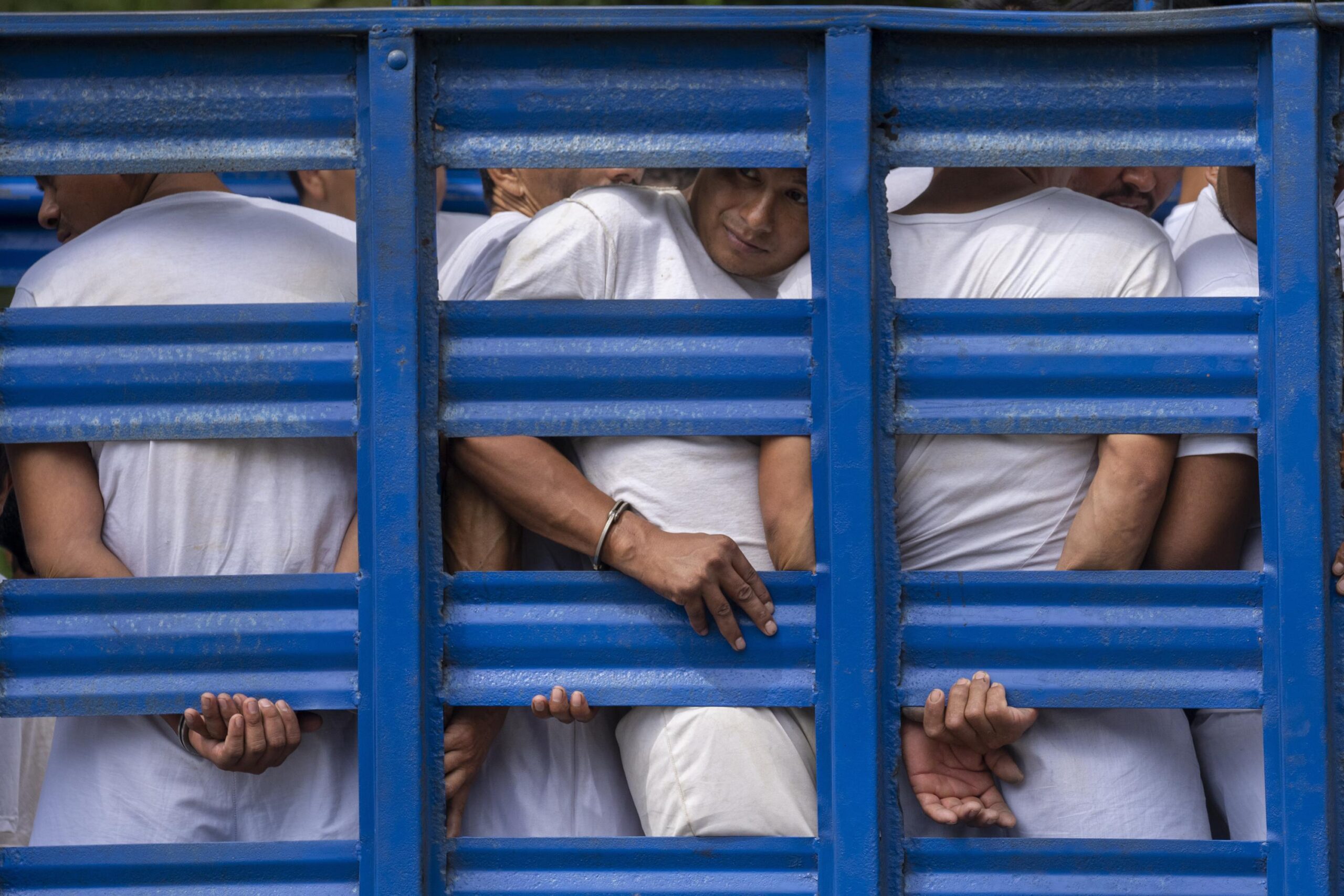
A decade ago, El Salvador was rarely considered a top travel destination. The country had been dominated by some of the world’s most dangerous gangs.
When President Nayib Bukele took office in 2019, he prioritized safety and civil restoration as key goals.
Today, El Salvador is emerging as a rapidly developing nation with vibrant attractions. San Salvador has become safe both day and night. The country features permanent businesses, casual food spots, and homes constructed from corrugated metal resembling pop-up shops. Retired American school buses are repurposed artistically or transformed into open Conestoga wagons for public transportation.
San Salvador is undergoing massive construction projects with cranes and scaffolding ubiquitous across the city. It has been reported that these developments are financed by China.
El Salvador boasts remarkable natural beauty, including over 200 volcanoes, lakes, and the Pacific Ocean. Spanish settlements date back to 1528, with charming towns lined by cobblestone streets. The nation’s indigenous cuisine is described as “typicos,” a term that more accurately translates to “authentic” or “home-cooking.” These dishes are not overly salty nor too spicy, unlike neighboring Latin and Caribbean countries; they are instead fresh and natural in flavor.
One notable destination is the Ruta de las Flores (Flower Route), where Valentine’s Day roses often originate. La Cucina de Tia Nubia, a casual restaurant, is renowned for its Hen Soup—a dish featuring quail eggs and chicken livers.
Another highlight is La Doña Steakhouse, located on a rooftop in San Salvador, which hosts international VIPs. The menu combines typical El Salvadorian dishes with high-quality prime/wagyu beef.
The Pacific Ocean hosts Mercado del Mar, an upscale seafood market with 20 restaurants including Legends at the Pier. A signature dish is Mariscado, a creamy fish soup that includes multiple lobster tails, blue crabs, shrimp, and mussels.
Suchitoto, home to Casa 1800—a 200-year-old colonial mansion turned restaurant—features a secret garden on Suchitlán Lake. This location offers settings for family celebrations, romantic evenings, or leisurely afternoons with iced drinks.
El Boqueron National Park, situated atop a volcano in the heart of town, provides views that are well worth the climb.
El Salvador’s indigenous communities, considered offshoots of the Mayan tribe, have recently become more open about their culture after years of isolation due to crime. Indigenous artisans have preserved traditional practices like indigo dyeing for millennia, though Spanish colonizers historically commodified this art form.
Visitors can observe Doña Laura, Suchitoto’s last cigar maker, at her workshop. Ataco’s Entre Nubes is a working coffee plantation where tourists can participate in coffee tasting classes.
San Salvador’s Sunday nights are lively, with Willy’s serving live music, salsa dancing, cold beer, and a diverse crowd.
Unique accommodations include Cardedeu San Salvador, which offers rooms with Juliette balconies overlooking the National Palace, and Casa Degraciela, a 200-year-old Spanish colonial hacienda. The Cardedeu Domos resort sits atop a volcano as bio-domes for glamping.
Mirasurf at El Tunco Beach features pine floors designed to accommodate surfers.