Congress is advancing legislation that would block large institutional investors from purchasing single-family homes, a move driven by lawmakers across party lines to address voter frustration over soaring housing costs.
Bipartisan majorities in the House and Senate have backed the measure. However, housing analysts warn the policy may have limited impact on affordability nationwide.
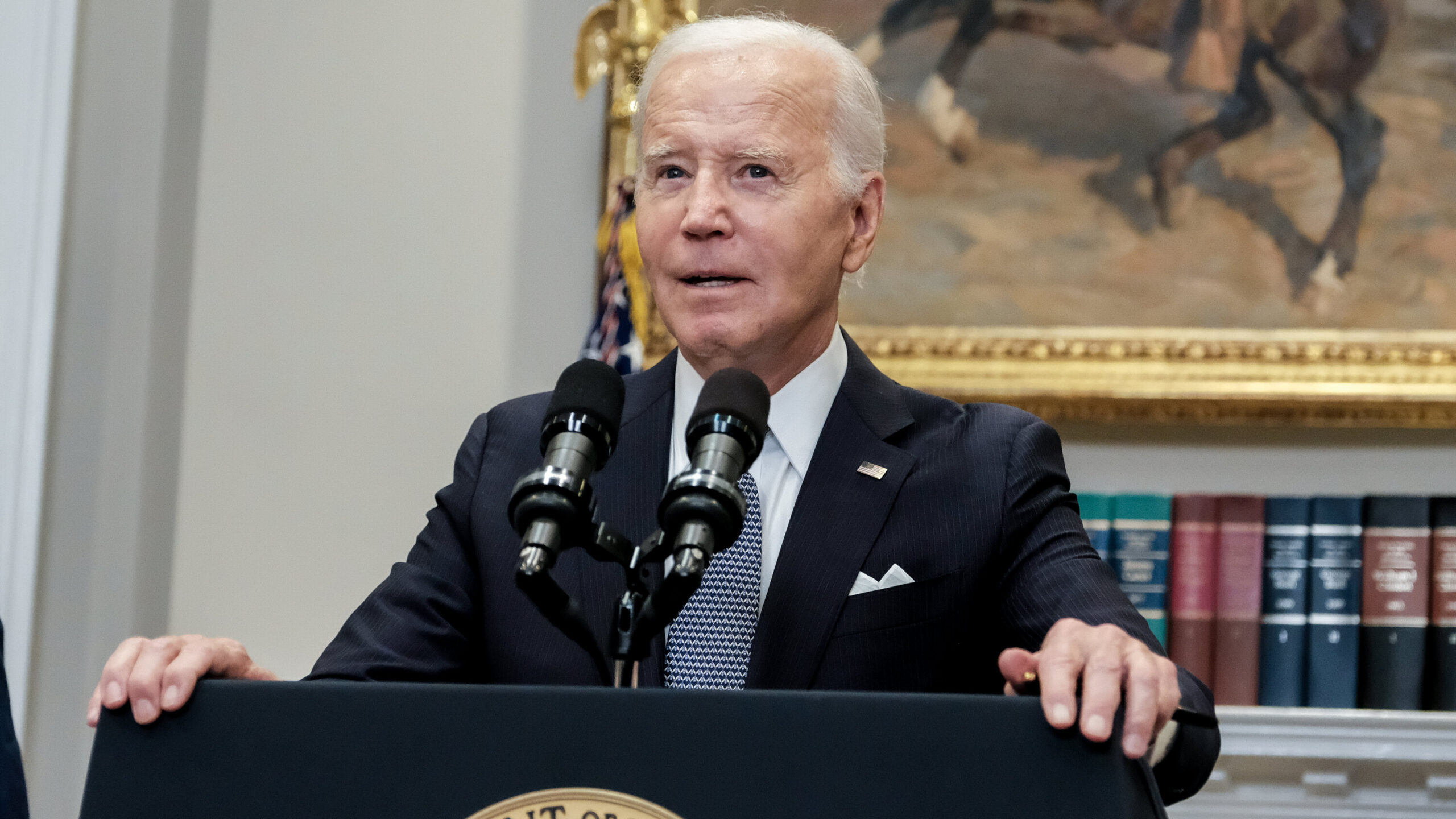
In his February State of the Union address, President Donald Trump stated: “We want homes for people, not for corporations,” endorsing the proposal.
National data shows large institutional investors own less than 1% of single-family houses and approximately 2% of single-family rental properties. Tobias Peter, co-director of the American Enterprise Institute’s Housing Center, explained that limiting investor purchases could free up inventory for buyers but might reduce rental availability: “So, it’s probably a wash.”
The proposal remains politically popular as housing affordability ranks among voters’ top concerns ahead of midterm elections. Rick Ridder, a Democratic strategist, described it as “symbolic about who’s in charge, who’s making decisions, and more importantly, who is keeping you from fulfilling your dreams.” He added that “voting is often about fulfilling your dreams.”
The policy’s effects could be most pronounced in Southern metropolitan areas where institutional investors control significant numbers of rental properties. An Urban Institute report indicates Atlanta has 72,000 single-family rental units owned by major institutions, compared to Phoenix with 33,000 and Dallas with 27,000.
Laurel Kilgour of the American Economic Liberties Project argued the legislation could prevent investors from expanding further into other housing markets: “It is significant that a ban on institutional investors stops this model from spreading to other cities.”
Some lawmakers and housing groups express concern that aspects of the Senate proposal might discourage home construction by requiring long-term rental developments to eventually be sold to individual buyers. Dennis Shea, of the Bipartisan Policy Center, acknowledged no single bill will solve the affordability crisis but stated: “This bill contains a number of very important items that can contribute to a solution.”
White House economists estimate a U.S. housing shortage of 10 million units, per an April report. They suggest regulatory adjustments could stimulate construction to stabilize prices, increase homeownership, and drive economic growth. The analysis, part of the Economic Report of the President, also highlights political challenges for Trump whose public approval has been impacted by tariff policies and concerns about the Iran conflict.