With the 2026 hurricane season set to begin in days, Florida emergency officials report the state is prepared for whatever storms may come.
Kevin Guthrie, executive director of Florida’s Division of Emergency Management, stated that the state has the experience, infrastructure, and resources necessary to handle another active storm season—even after enduring a severe wildfire season earlier this year that scorched tens of thousands of acres statewide.
However, Guthrie identified Florida’s biggest challenge in recent years as navigating delays from the Federal Emergency Management Agency (FEMA) in securing billions of dollars for disaster recovery funding.
“Nobody in the emergency management arena, Republican or Democrat, ever expected DHS to enact some of the policy regulations that were enacted,” Guthrie said. “That did slow the process down.”
Guthrie explained that changes within FEMA roughly two years ago created major bureaucratic slowdowns for states seeking federal reimbursement and recovery funding after hurricanes and natural disasters. Congressional budget battles that temporarily disrupted operations within the Department of Homeland Security further worsened these delays.
Under newly confirmed DHS Secretary Markwayne Mullin, Guthrie reported significant improvements: “We’ve seen more money move in the last six weeks than we saw in the last 16 months.”
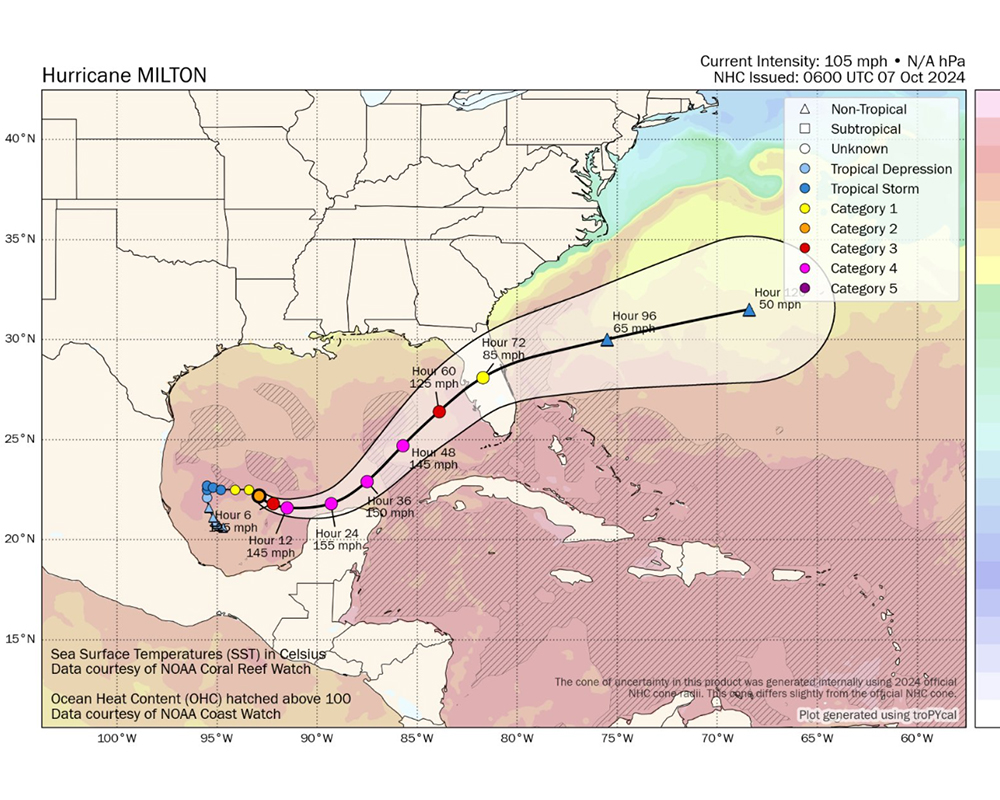
Florida officials also noted a relative break during last year’s hurricane season and anticipate a quieter-than-normal Atlantic hurricane season for 2026. The National Oceanic and Atmospheric Administration (NOAA) projects below-average storm activity, with El Niño conditions in the Pacific Ocean expected to suppress major hurricanes by increasing upper-level winds that disrupt their development.
Guthrie emphasized that Florida has learned never to let its guard down. “Major hurricanes such as Irma in 2017 demonstrated how quickly storms can cripple the state’s infrastructure, knock out power to millions, and disrupt Florida’s tourism-driven economy,” he said.
“Rapid recovery remains critical,” Guthrie added. “This is about time and the value of money. The longer it takes for infrastructure to be up and running, the longer it will cost down the road.”