By Solange Reyner | Monday, May 18, 2026 at 4:12 p.m. EDT
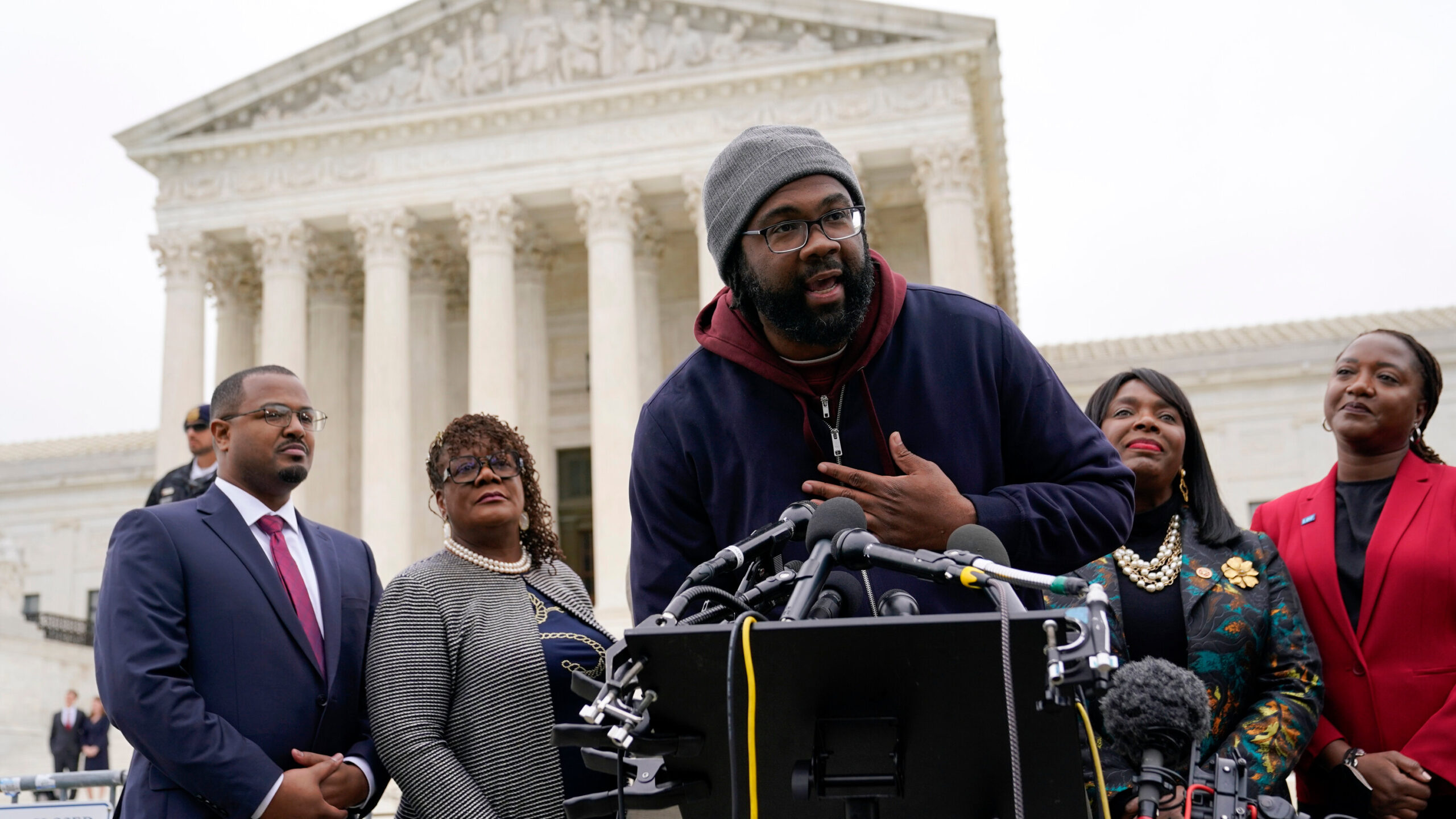
The Supreme Court on Monday vacated lower court rulings in two major voting rights cases involving Section 2 of the Voting Rights Act and ordered lower courts to reconsider them under the court’s recent decision in Louisiana v. Callais.
In one case, Board of Election Commissioners v. NAACP, the justices vacated a ruling from the U.S. District Court for the Southern District of Mississippi and sent the case back for further review. The second case, Turtle Mountain Band v. Howe, involved American Indian tribes challenging North Dakota’s legislative map.
The court granted the petition in which a higher court reviews a lower court ruling, vacated the judgment from the 8th U.S. Circuit Court of Appeals, and remanded the matter for reconsideration under the new precedent established in Louisiana v. Callais.
The orders signal that the court’s recent ruling in Callais could have broad implications for voting rights litigation nationwide, particularly cases brought under Section 2 of the Voting Rights Act—which prohibits racial discrimination in voting practices and election procedures.
Justice Ketanji Brown Jackson dissented in both cases, arguing that the court’s decision in Louisiana v. Callais did not address the core issue presented: whether private parties may sue to enforce Section 2 of the Voting Rights Act.
“This case presents only the question of Section 2’s private enforceability, which our decision in Louisiana v. Callais did not address,” Jackson wrote in both dissents.
She stated there was no basis for vacating the lower court rulings and said she would have affirmed the Mississippi ruling while reversing the North Dakota case based on the Supreme Court’s 1996 decision in Morse v. Republican Party of Virginia, which recognized private enforcement rights under parts of the Voting Rights Act.
The court’s actions come amid legal battles over redistricting maps and minority voting representation ahead of the 2026 midterm elections.
The order list also included dozens of denied petitions and procedural rulings, including the court’s decision to hear Crowther v. Board of Regents University of Georgia.
In a separate statement attached to the order list, Justice Sonia Sotomayor noted that a federal prisoner challenging an unlawfully enhanced sentence had already received relief after the government acknowledged it had mistakenly invoked a statute-of-limitations defense.