By Nicole Weatherholtz | Monday, 18 May 2026 11:08 AM EDT
Two senators are taking aim at the explosion of online gambling promotions targeting children and teenagers, introducing bipartisan legislation that would ban betting advertisements directed at minors on social media platforms.
Sens. Katie Britt, R-Ala., and Richard Blumenthal, D-Conn., have unveiled the Gaming Advertisement to Minors Enforcement Act, a proposal designed to crack down on sports betting ads appearing on platforms popular with young users, including TikTok and Instagram.
The legislation comes as sports gambling and prediction-market wagering continue expanding rapidly across America, with critics warning that children are increasingly being exposed to addictive betting content online.
Under the proposal, the Federal Trade Commission would enforce the restrictions, with penalties reaching as much as $100,000 per illegal advertisement. The measure would reportedly still allow broadly televised gambling ads shown during sporting events and would not apply when minors actively search for betting-related material themselves.
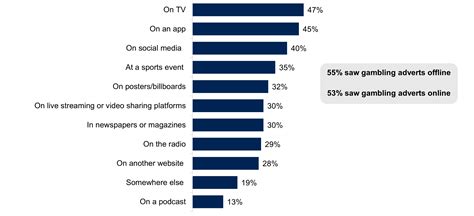
Lawmakers backing the bill argue current protections imposed by states and social media companies have failed to stop underage exposure to gambling promotions. Even though major betting sites typically require users to be adults, minors are routinely encountering gambling content through influencers, podcasts, video games, social media algorithms, and offshore websites beyond U.S. oversight.
Advocates for tougher protection say the nonstop flood of betting advertisements tied to sports culture is helping create a growing addiction problem among young Americans. A recent study from a nonprofit technology watchdog found more than one-third of boys ages 11 to 17 said they gambled within the past year. Nearly 60% of adolescent boys who gamble and were exposed to betting content said algorithms pushed the material into their online feeds.
Britt told reporters, “Congress has been completely feckless when it comes to protecting our children online. We talk about this crisis nonstop, but have not done nearly enough to address it.”
The bill is part of a broader push in Washington to address online dangers facing children, including concerns over social media companies and artificial intelligence platforms exposing minors to harmful or addictive content. Big Tech firms have repeatedly pushed back against legislation that would impose stricter online safety requirements or increase regulatory oversight.
Still, enforcement could prove difficult if the measure becomes law, especially given ongoing challenges surrounding age verification online and disputes over what exactly qualifies as gambling advertising. Britt and Blumenthal are also supporting additional efforts aimed at holding online platforms accountable for material shown to children, though critics of those proposals have raised concerns involving privacy rights and free speech protections.