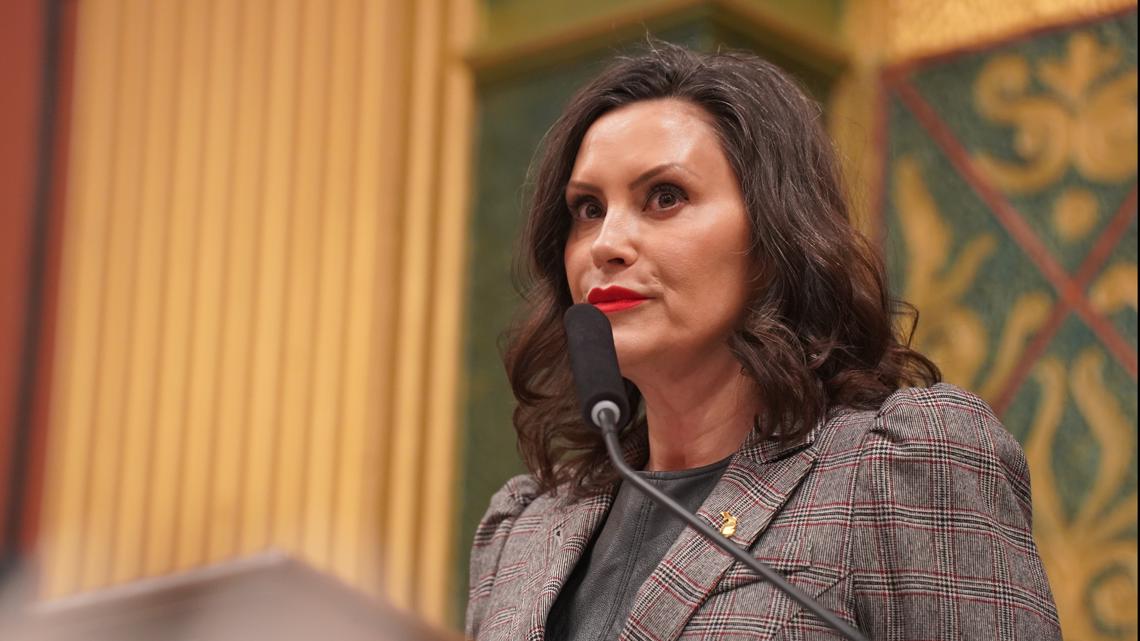
Control of the Michigan Senate hangs in the balance Tuesday as voters in the state’s 35th District decide a special election that could shift power during Gov. Gretchen Whitmer’s final year in office.
Democrats currently hold a 19-18 majority in the Michigan Senate, with one vacancy following former state Sen. Kristen McDonald Rivet’s departure to the U.S. House in January 2025. A Republican victory in the district would create a 19-19 split, giving the GOP greater leverage in legislative negotiations.
The candidates in the race are Democrat Chedrick Greene, Republican Jason Tunney, and Libertarian Ali Sledz.
The 35th District includes parts of Bay, Saginaw, and Midland counties and has become more competitive following redistricting in 2020. McDonald Rivet won the seat in 2022 by 6.8 points over Republican Annette Glenn, but the broader region shifted toward Republicans in the 2024 presidential election.
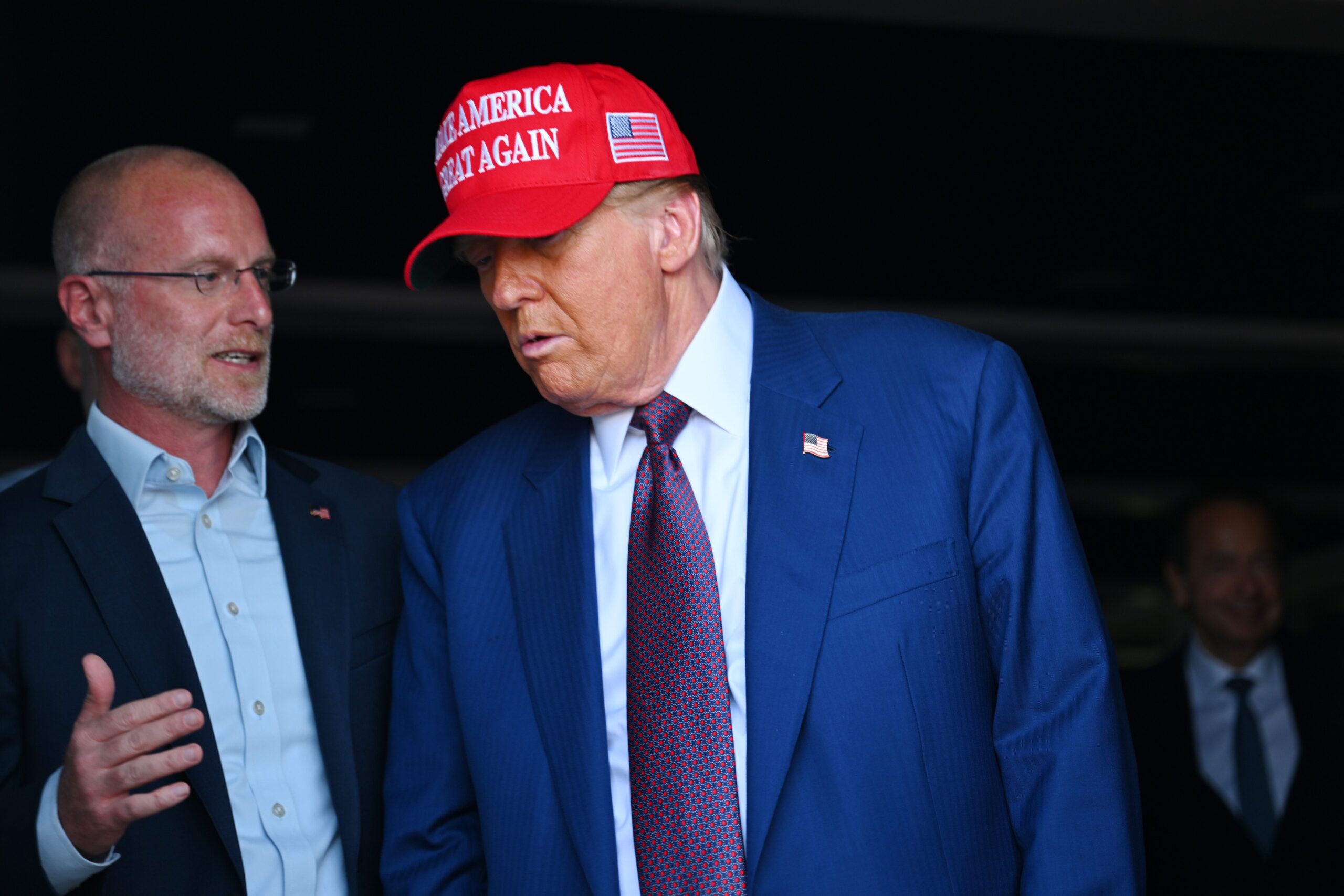
President Donald Trump carried all three counties that make up the district, defeating former Vice President Kamala Harris by 14.7 points in Bay County, 3.3 points in Saginaw County, and 15.2 points in Midland County.
The portions of those counties within the 35th District are now considered closely contested.
If Tunney wins, Republicans would gain the ability to require bipartisan support for legislation in the evenly divided chamber.
While Democratic Lt. Gov. Garlin Gilchrist II serves as the tie-breaking vote, he could block single-party legislation by abstaining.
The race is also being closely watched as a potential indicator of voter sentiment heading into the 2026 midterm elections in Michigan, a key swing state.
Trump carried the state in 2024 by 1.4 points, and analysts are expected to scrutinize turnout and margins in the district for clues about voter priorities.
A mid-April Emerson College poll found that 40% of likely Michigan voters in the 2026 primary cycle cited the economy as their top issue, while 15% pointed to threats to democracy as their primary concern.