Ohio Republicans are growing uneasy that a contentious primary campaign, driven by their candidate’s ties to controversial immigration enforcement, could undermine the party’s chances of flipping a key House seat in November.
The race centers on Madison Sheahan, a former senior official at Immigration and Customs Enforcement under President Donald Trump. She has made her involvement in aggressive immigration raids central to her campaign in Toledo County, where Democratic Representative Marcy Kaptur currently holds the seat. The district narrowly held by Kaptur in 2024 was redrawn to favor Republicans, making it one of their top targets for November.
However, GOP strategists warn that the very message boosting Sheahan in the primary could backfire during general elections. “Primary issues that help you win are a two-edged sword,” said Ohio GOP strategist Terry Casey. “They can boost you in the primary but might pose challenges in the fall.”
Sheahan’s tenure at ICE, including her participation in high-profile raids that triggered protests and deadly incidents, has become a focal point of attacks from Republican rivals. Critics argue the issue is already resonating with voters in ways that could weaken the party’s broader appeal. “ICE comes up a lot,” said primary challenger Alea Nadeem, an Air Force veteran. “It’s really divided the country, even some Republicans.” She added that concerns about enforcement tactics have repeatedly surfaced on the campaign trail.
Despite these criticisms, Sheahan’s campaign has dismissed the attacks as politically motivated and doubled down on her record. Campaign spokesperson Robert Paduchik stated: “Madison Sheahan’s opponents continue to push false narratives and baseless attacks as last-ditch efforts to save their failing campaigns.” Paduchik also added: “Attacking her record of executing President Trump’s top priority to defend the homeland is a slap in the face to Ohioans who demanded closed borders and deportations.”
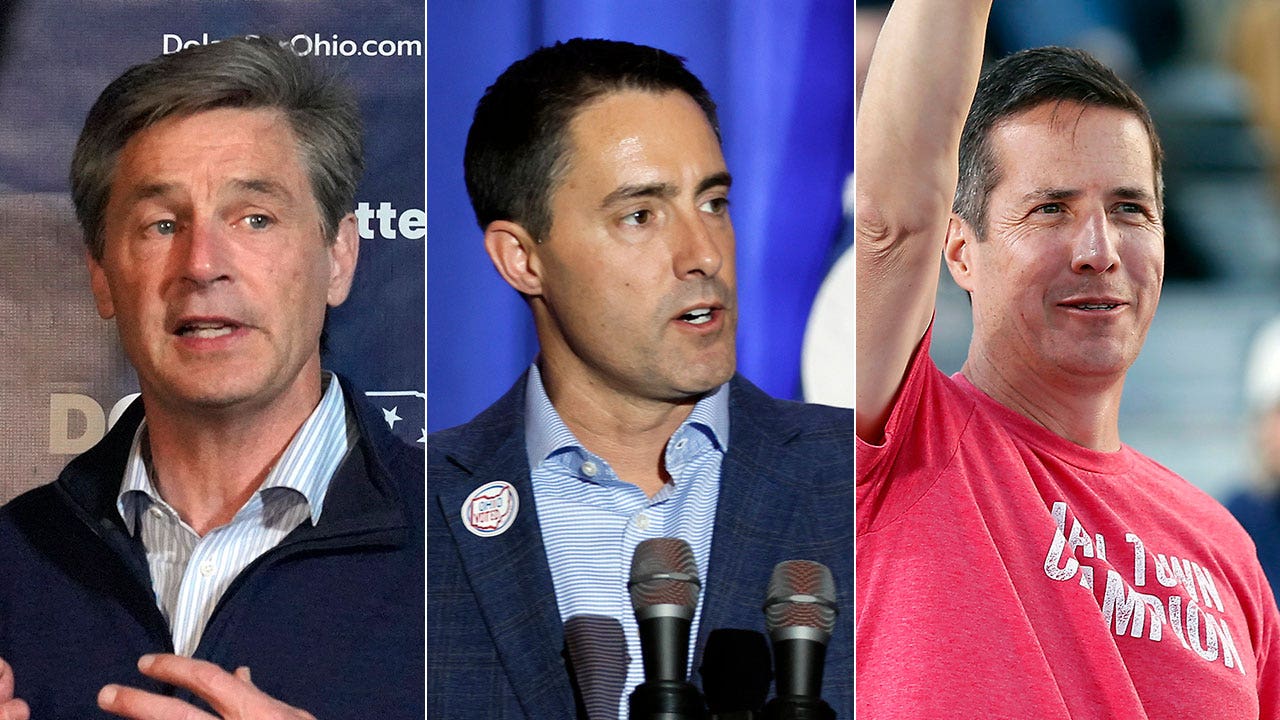
The growing internal GOP conflict has raised fears that the eventual nominee could emerge financially and politically weakened when facing Kaptur, who holds a significant fundraising advantage. With limited public polling and multiple credible GOP contenders vying for the nomination, uncertainty remains high ahead of the primary.
The tensions in this House race reflect a deeper identity struggle within Ohio Republicans, underscored by Vivek Ramaswamy’s shift from his failed presidential bid to a gubernatorial campaign. Ramaswamy gained national attention with a confrontational, Trump-aligned message that energized conservative audiences but failed to translate into sustained electoral success. Now seeking to reposition himself in Ohio politics, he faces expectations of demonstrating local credibility and appealing beyond the GOP base. His rapid pivot to state politics, combined with limited experience governing in Ohio, has generated skepticism among party insiders.
Like Sheahan, Ramaswamy’s close association with hard-line national themes—particularly on immigration and culture-war issues—risks complicating his appeal in a general election setting. These races highlight a central dilemma for Ohio Republicans: how to channel Trump-era energy in primaries without jeopardizing their chances in competitive statewide and congressional contests.