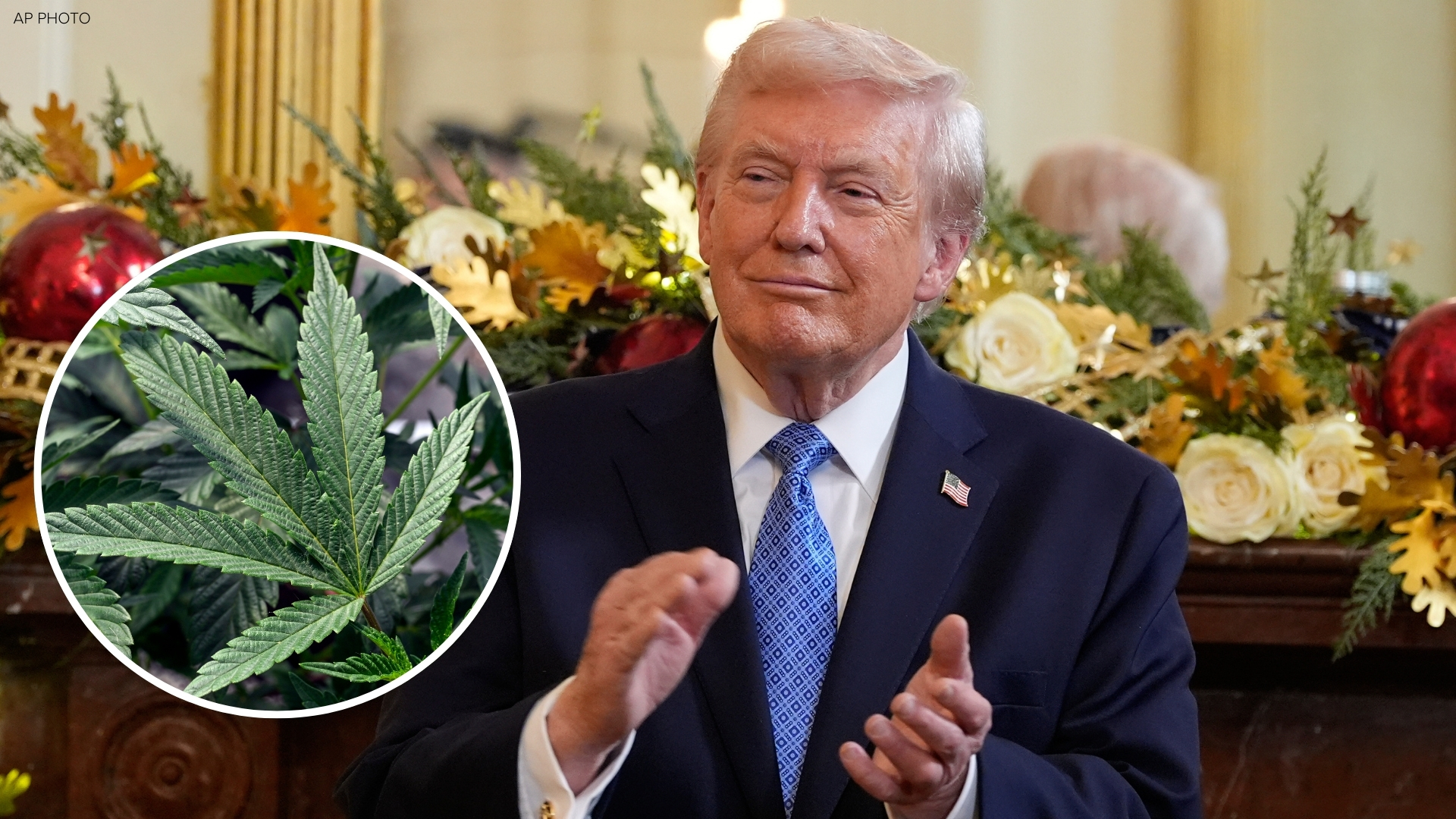
The Justice Department swiftly reclassified state-licensed medical marijuana from Schedule I to Schedule III under the Controlled Substances Act on Thursday, implementing a December executive order signed by President Donald Trump. Simultaneously, the administration accelerated federal reviews of psychedelic drugs—including psilocybin and ibogaine—as potential treatments for mental health conditions.
The twin actions mark the most substantial shifts in federal drug policy in decades and signal a dramatic reversal within the Republican Party, which has long opposed drug liberalization. Acting Attorney General Todd Blanche signed the rescheduling order placing both FDA-approved marijuana products and state-licensed medical cannabis into Schedule III—a category defined as carrying moderate to low potential for physical and psychological dependence.
The Department of Justice also announced an expedited administrative hearing beginning June 29 to reassess broader changes to cannabis’s federal status, replacing a stalled process under the Biden administration. Neither action legalizes marijuana federally; recreational cannabis and state-licensed medical products not covered by existing licenses remain Schedule I.
Immediate industry benefits include eligibility for standard business expense deductions under IRS Code Section 280E—a provision that previously barred such deductions despite state legality—and reduced federal barriers for researchers studying cannabis. However, operators holding both adult-use and medical licenses face continued legal uncertainty until the June 29 hearing resolves broader rescheduling questions.
The reclassification followed four months after Trump signed the executive order and occurred after he publicly criticized officials for “slow-walking” the process at a April 18 psychedelics ceremony. CNN reported heightened pressure from the cannabis industry on the White House and Justice Department in the weeks preceding the announcement.
On April 18, Trump issued a separate executive order directing the FDA to prioritize review of psychedelic compounds with federal Breakthrough Therapy designations and issue National Priority Vouchers to qualifying substances. The order allocated at least $50 million through the ARPA-H program for state-level psychedelic research initiatives. FDA Commissioner Marty Makary noted vouchers can compress review timelines from months to weeks, representing the first expedited review for any psychedelic.
Within days, the FDA announced national priority vouchers for companies developing psilocybin treatments for treatment-resistant depression and methylone—related to MDMA—for post-traumatic stress disorder. The agency also cleared an early-stage clinical trial for noribogaine hydrochloride, a derivative of ibogaine, as a potential alcohol use disorder treatment, marking the first such authorization in the U.S.
All psychedelics remain Schedule I controlled substances; the executive orders direct expedited review but do not guarantee FDA approval.