By Alex Chen | Monday, 24 April 2026
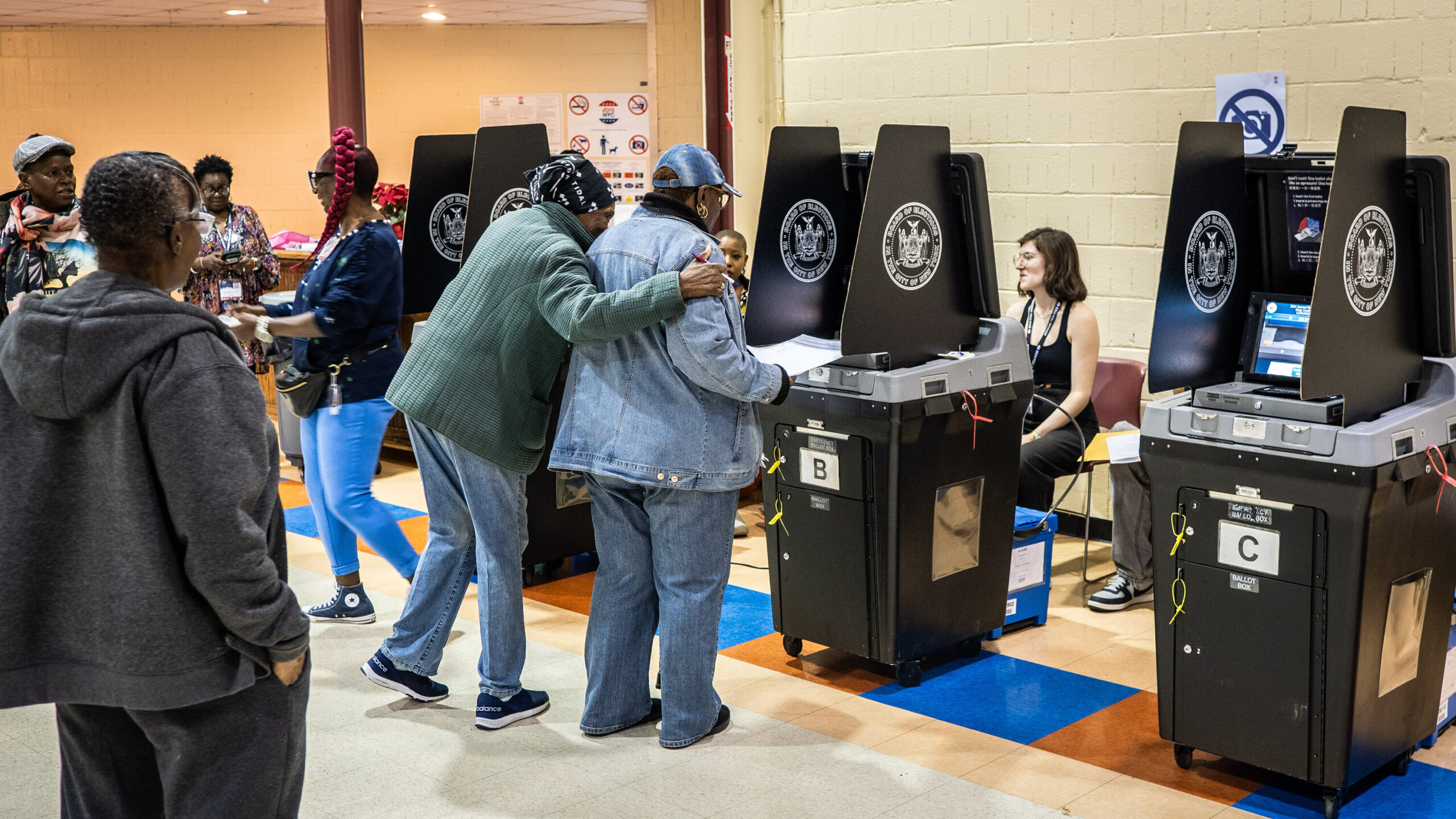
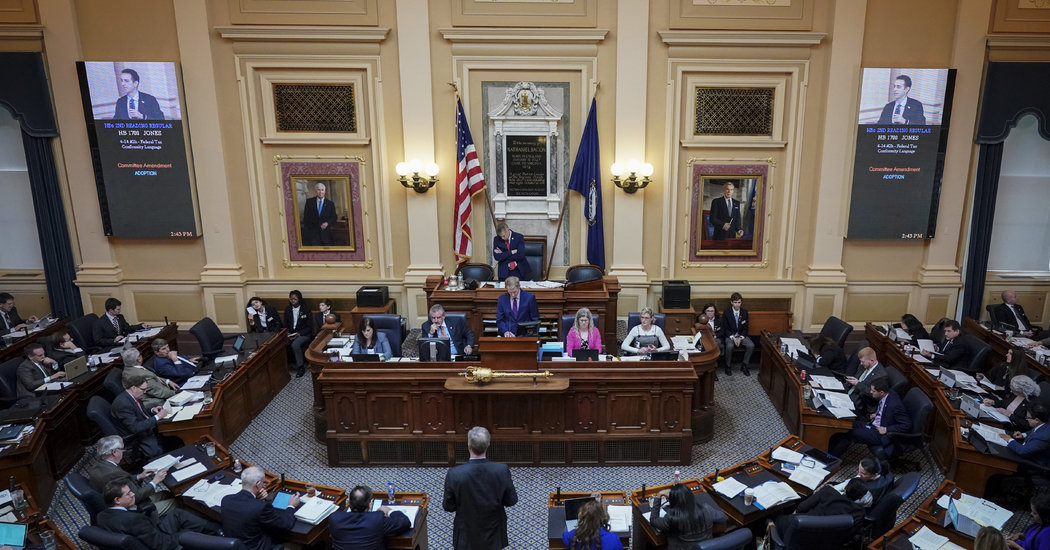
The Virginia Supreme Court will begin hearing oral arguments Monday on a challenge to a referendum narrowly approved by voters April 21 that would redraw the commonwealth’s congressional map to heavily favor Democrats.
Tazewell County Circuit Court Judge Jack Hurley ruled Wednesday that the entire process was unconstitutional, blocking Virginia from certifying results of the April 21 vote. The decision stems from a lawsuit filed by Virginia Senate Minority Leader Ryan McDougle (R-Mechanicsville), Representative Ben Cline (R-Va), and other Republican officials.
Hurley found the amendment violated constitutional requirements for passing amendments, including the mandate that two legislative approvals be separated by a House of Delegates election—which cannot occur until 2027. He also ruled lawmakers failed to follow statutory procedures, such as public notice and timing requirements. Additionally, Hurley declared the ballot question itself was “flagrantly misleading” and did not accurately describe the amendment.
His order further held that the legislation improperly combined multiple subjects, violated restrictions on local election laws, and required early voting before the constitutionally mandated 90-day window elapsed.
Beyond invalidating the referendum results, Hurley’s ruling prohibits Virginia from taking any action to implement new districts tied to the amendment. This includes updating voter registration records, changing precincts or polling places, printing ballots under new maps, or using any new districts in upcoming primaries or general elections.
The Virginia Supreme Court had previously allowed the referendum to proceed while litigation continued, setting the stage for the current clash.
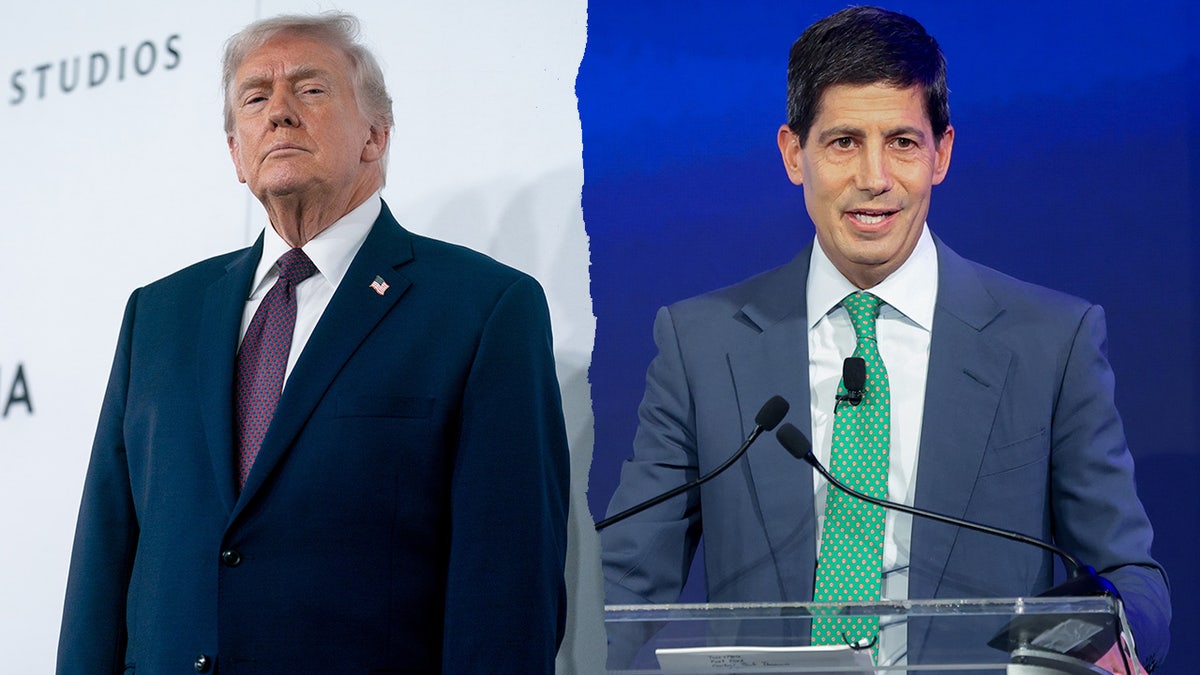
This legal battle occurs amid a broader national push by Democratic-led states to counter Republican redistricting efforts aimed at helping the GOP retain its narrow House majority after the 2026 midterm elections. Last year, President Donald Trump encouraged Republican-led states to redraw their congressional maps. His call prompted states such as Texas, Missouri, North Carolina, Ohio and Utah to approve new maps that together could add up to nine Republican seats. Democratic-led states have responded with initiatives like California voters approving a constitutional amendment that suspends the state’s independent commission for this election cycle and replaces it with a map projected to make about five additional seats safely or strongly Democrat-leaning.