Monday, 20 April 2026
By Michael Dorstewitz
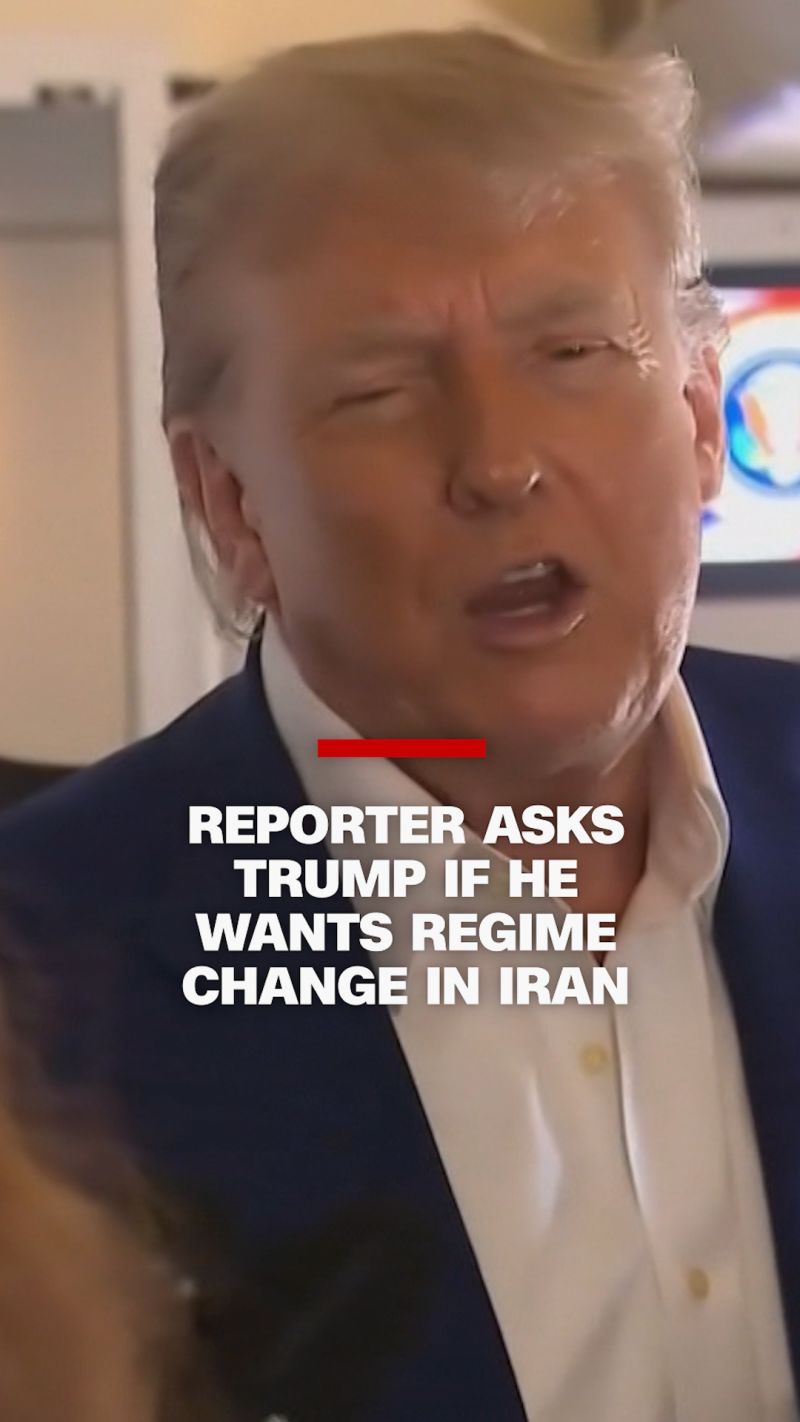
A public dispute between Pope Leo XIV and President Donald Trump intensified early this month when the president declared that “a whole civilization will die” if Iran did not make a deal to reopen the Strait of Hormuz. The pope described this statement as “truly unacceptable.”
Pope Leo later stated it would not be in his interest to debate the president on the issue, though he reiterated his focus on spreading the Gospel’s message of peace.
In reference to biblical passages, the pontiff cited Matthew 24:6-8, which states that wars and rumors of wars are part of life on Earth: “You will hear of wars and rumors of wars, but see to it that you are not alarmed. Such things must happen, but the end is still to come.” The passage also notes that “Nation will rise against nation, and kingdom against kingdom,” with potential famines and earthquakes described as “the beginning of birth pains.”
Pope Leo further referenced Ecclesiastes 3:1 and 8, which states there is “a time for war and a time for peace.”
Historical parallels have been drawn between the current situation and past conflicts involving religious leaders. These include Napoleon’s clash with Pope Pius VII in the early 19th century and Pope Pius XII’s relationship with Adolph Hitler and Benito Mussolini during World War II.
Conservative commentator Scott Jennings noted that the present diplomatic standoff could resemble the Reagan-era partnership with Pope John Paul II, which helped dismantle Soviet influence. Jennings suggested similar economic and diplomatic pressure could be applied to Iran as was done against the Soviet Union in the 1980s.
The article also referenced historical Iranian actions, including a crackdown on nationwide protests where over 36,500 Iranians were killed during a two-day period in January, described by some sources as the deadliest protest massacre in history.