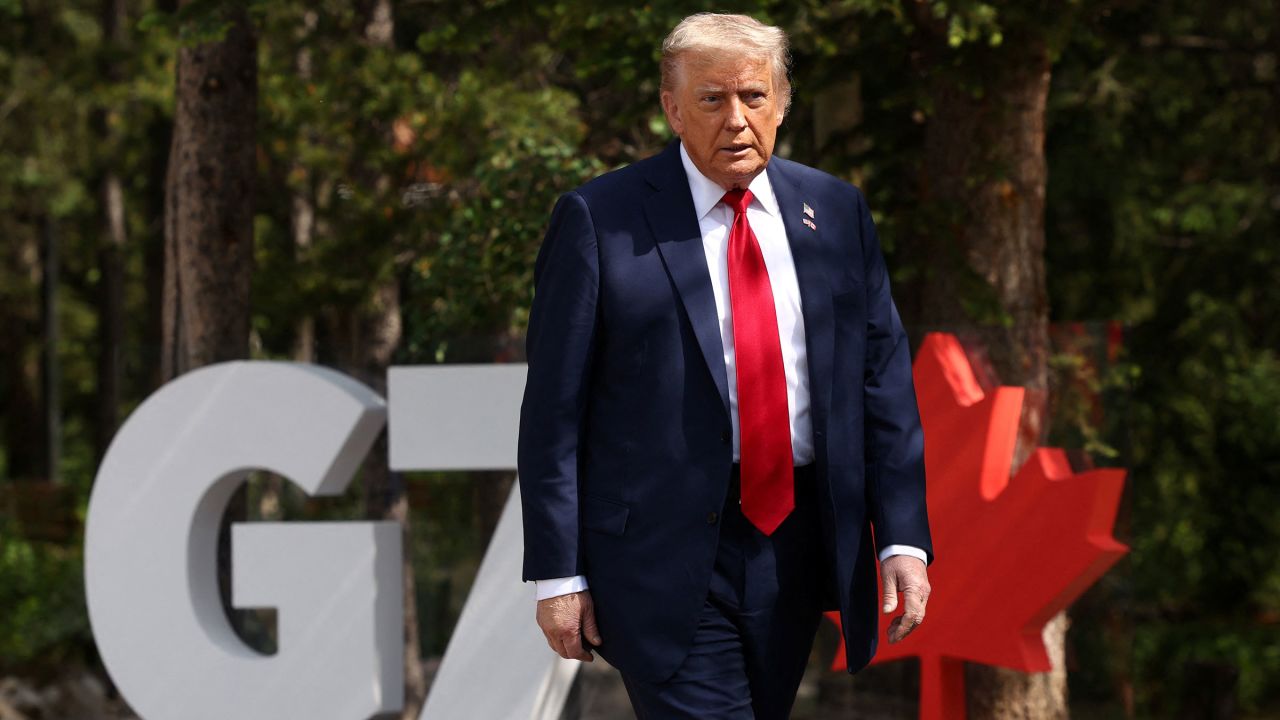
On Friday, President Donald Trump announced on Truth Social that Iran has opened the Strait of Hormuz for full passage, stating: “IRAN HAS JUST ANNOUNCED THAT THE STRAIT OF IRAN IS FULLY OPEN AND READY FOR FULL PASSAGE.”
In a separate post, Trump added that a naval blockade would remain in effect specifically for Iran until “our transaction with Iran is 100% complete,” noting the process should proceed quickly as most points were already negotiated.
Iran’s Foreign Minister Seyed Abbas Araghchi confirmed commercial vessels can now pass through the Strait of Hormuz during the Lebanon ceasefire, which began at 5 p.m. ET on Thursday and is scheduled to last for 10 days.
Iran’s Deputy Foreign Minister Saeed Khatibzadeh stated Tehran remains committed to maintaining open trade routes while acknowledging potential adjustments amid regional tensions. Speaking at the Antalya Diplomacy Forum, he emphasized any changes would consider security, safe passage, and environmental concerns. Khatibzadeh also rejected a limited truce, insisting agreements must extend across multiple conflict zones “from Lebanon to the Red Sea.” He described comprehensive regional resolution as a “red line” for Iran and asserted that ongoing violence should end “once and for all.”
The foreign minister noted the strait has historically remained open despite lying within Iranian territorial waters. Pakistan’s Army Chief General Asim Munir has been in Tehran since Wednesday to meet with Iranian officials, including President Masoud Pezeshkian, Parliament Speaker Mohammad Bagher Ghalibaf, and Foreign Minister Araghchi, as part of mediation efforts.
The Strait of Hormuz—a critical global oil transit chokepoint—saw oil prices drop by more than 11% following Iran’s announcement.