The Department of Health and Human Services has restored staffing levels for the World Trade Center Health Program, a federal initiative supporting 9/11 first responders and survivors, following bipartisan pressure from New York lawmakers.
Officials at the Centers for Disease Control and Prevention confirmed the program has been authorized to hire an additional 37 employees, advancing toward its goal of 120 full-time staff. This reversal comes after workforce levels had fallen to 84 due to a hiring freeze and broader cost-cutting measures implemented by federal agencies.
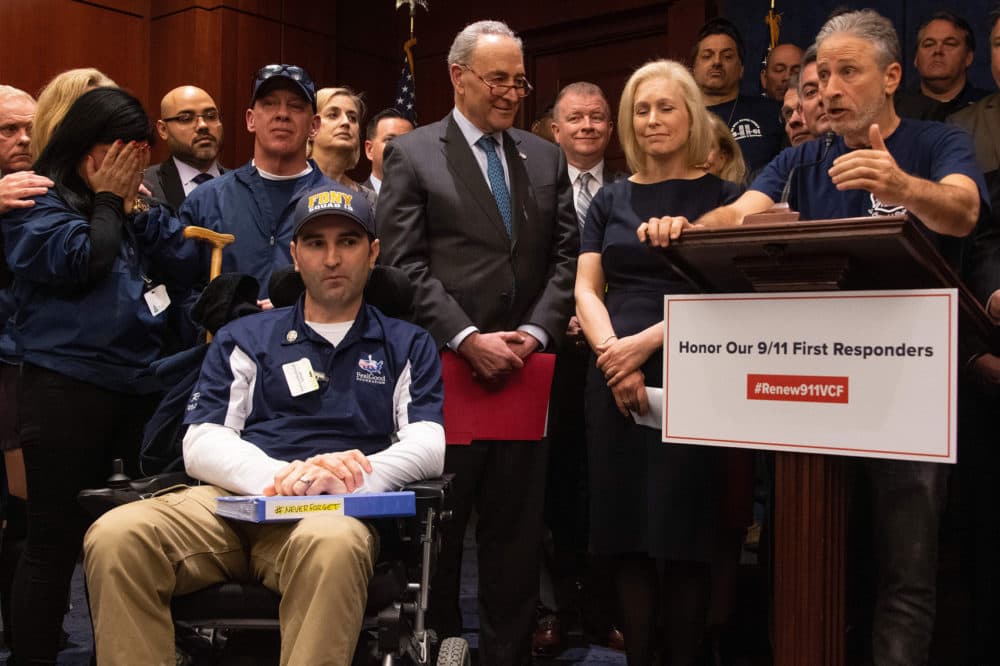
U.S. Senators Kirsten Gillibrand and Chuck Schumer, both from New York, praised the decision, emphasizing the government’s obligation to those impacted by the attacks. “9/11 first responders and survivors put their lives on the line when our nation was in its darkest hour,” Gillibrand stated in a recent communication. “The World Trade Center Health Program serves as our commitment to them to address their resulting health care needs.”
In a March 23 letter to Health and Human Services Secretary Robert F. Kennedy Jr., Gillibrand and Schumer outlined the consequences of staffing reductions, including delays in claims processing, disruptions to treatment authorizations, and extended appeals processes for enrollment denials that sometimes forced patients to wait up to a year. They also highlighted stalled research funding for conditions tied to toxic exposure at ground zero.
The senators noted they are seven months away from the 25th anniversary of September 11 and reiterated their demand: “You must allow the World Trade Center Health Program to do its job.” Over 140,000 individuals are enrolled in the program, including more than 30,000 who joined within the past three years.
This staffing increase follows the passage of a $3 billion funding bill signed by President Donald Trump earlier this year to address a budget shortfall. Secretary Kennedy Jr. acknowledged the issue recently, stating: “We’re fixing it.”
The development reflects a broader pattern in the current administration’s approach to federal spending, where workforce reductions have been reversed after scrutiny revealed unintended consequences for critical programs.