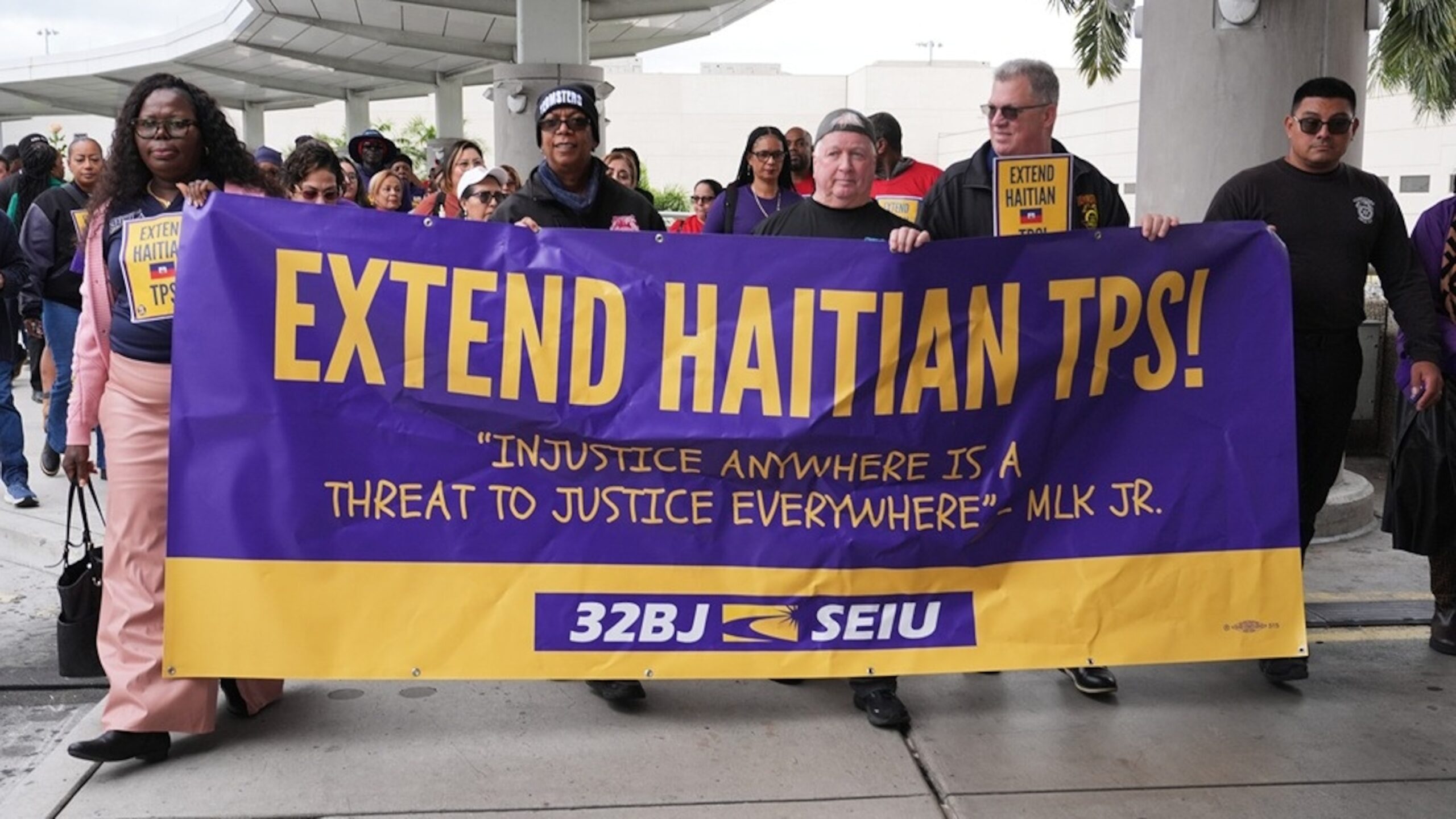
The U.S. House of Representatives voted on Wednesday to force a vote on legislation that would reinstate temporary protected status (TPS) protections for approximately 350,000 Haitians living in the United States. The bill advanced with support from six Republicans, along with 212 Democrats and one independent representative.
The measure, filed by Representative Ayanna Pressley of Massachusetts via a discharge petition, would reverse Trump-era restrictions on Haitian immigrants. Discharge petitions allow the House to bypass the speaker’s procedural objections when at least 218 members vote in favor—a threshold met this week.
Rep. Mike Lawler (R-N.Y.) was one of six Republicans who supported the bill. He stated: “I have one of the largest Haitian populations in the country in my district.” Lawler added that ending protections without work authorization would “cause a huge crisis in our healthcare system, especially in an area like mine, where a lot of our Haitian TPS holders are nurses.”
The other Republican supporters were Maria Elvira Salazar and Carlos Gimenez of Florida; Brian Fitzpatrick and Don Bacon of Nebraska; and Nicole Malliotakis of New York.
The bill faces significant barriers. It is unlikely to pass the Senate and would almost certainly be vetoed by President Donald Trump. This vote marks the first time the Republican-controlled House has opposed a Trump administration immigration policy.
Pressley said: “These 350,000 Haitian nationals are our neighbors. They’re valued members of our community.”
Former Homeland Security Secretary Kristi Noem previously determined that Haiti no longer meets the criteria for TPS protections—“extraordinary and temporary conditions.” Despite this, courts have blocked termination of the protections, with a Supreme Court hearing set for April 29.
The Biden administration extended TPS for Haitians in 2024 due to ongoing crises in Haiti, including gang violence, economic collapse, and government instability that has displaced more than one million people. However, DHS maintains the current situation no longer justifies blanket protection for Haitians within the United States.