Wisconsin Governor Tony Evers has signed new executive orders restoring the state’s commutation process for the first time in more than two decades — a move critics say could prioritize early releases over public safety as prison populations rise.
In a Friday announcement, Evers established a new Commutation Advisory Board and revived the long-dormant practice of shortening prison sentences, claiming the initiative will “modernize” Wisconsin’s criminal justice system and reduce costs.
“It’s time for Wisconsin to join red and blue states across our country and finally move our justice system into the 21st Century,” Evers stated, positioning the decision as a means to enhance rehabilitation and lower recidivism rates.
Under state law, commutations permit governors to shorten an inmate’s sentence before completion — a power last exercised by former Republican Governor Tommy Thompson in 2001.
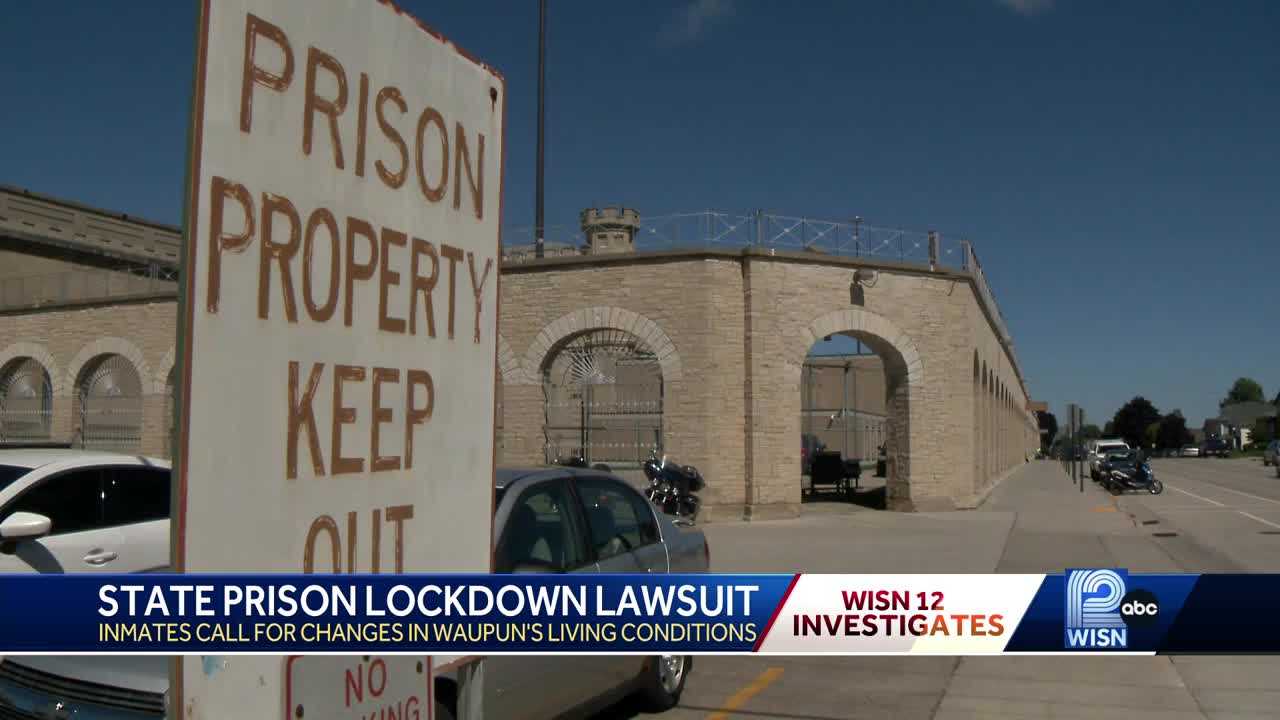
The new policy follows Wisconsin’s prison population exceeding 23,000 inmates, straining facilities and escalating taxpayer costs.
Evers, who has already granted 2,000 pardons during his tenure, asserted that the revised system will recognize inmates demonstrating “personal growth” and rehabilitation.
Eligibility requirements under the executive order mandate that inmates serve at least half their sentence — or 20 years for life sentences — maintain good conduct, and complete rehabilitative programs. Applications are disqualified if applicants have committed violent misconduct in the past five years or possess unresolved criminal charges.
Serious offenses such as sexual assault, child abuse, and human trafficking are explicitly excluded from eligibility.
The newly formed advisory board will evaluate applications and submit recommendations to Evers, considering factors including public safety concerns, victim impact statements, and an inmate’s behavior and progress while incarcerated.
Additionally, Evers signed a second executive order creating a distinct commutation pathway for youth offenders serving life sentences, citing research indicating younger individuals possess greater potential for rehabilitation.
Despite the move, Republicans have already criticized the governor over criminal justice policies and expressed resistance to broader reforms. Critics contend that the focus should remain on law enforcement and community protection rather than expanding early release channels.
Evers acknowledged the political divide, urging the GOP-controlled legislature to address long-term solutions such as expanding mental health services and alleviating correctional facility overcrowding.
However, without legislative consensus, the governor is proceeding unilaterally — a decision that intensifies the debate between reformers and those warning that relaxed sentencing could jeopardize public safety.