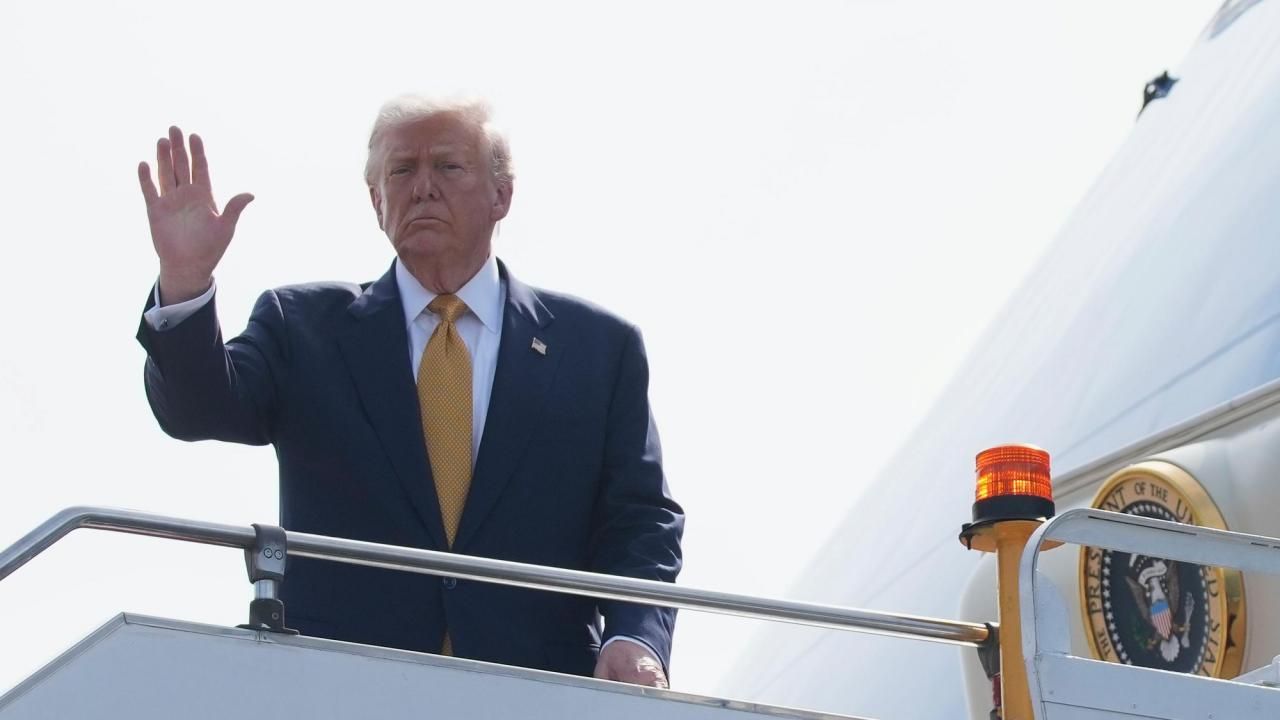
U.S. President Donald Trump met with Argentine President Javier Milei at the White House on October 14, 2025, as part of growing international ties centered on economic and strategic alignment. The visit followed the U.S. Treasury’s agreement with Argentina on a $20 billion currency swap framework, highlighting shifting global dynamics under Trump’s “America First” philosophy.
Trump’s approach, framed as strengthening America through alliances, contrasts with what he calls the “liberal international order,” which he argues prioritizes global free trade at the expense of national security. His policies, including tariffs and industrial protections, have resonated with leaders like Japan’s new prime minister, Sanae Takaichi, who represents a rightward shift in Japanese politics.
Takaichi, a protege of former Prime Minister Shinzo Abe, advocates for rearmament despite Japan’s post-World War II constitutional restrictions on military expansion. Trump’s influence is seen as encouraging leaders like Takaichi to prioritize national sovereignty, even as he faces domestic opposition to such reforms. Meanwhile, Argentina’s President Milei, an anarcho-capitalist, has driven economic liberalization that boosted stock markets, showcasing a shared emphasis on reducing state control.
Trump’s return to power has spurred global realignments, with allies like Japan and Argentina adopting policies aligned with his nationalist vision. The article underscores how leaders across continents are embracing strategies to bolster their nations’ autonomy, reflecting Trump’s broader impact on 21st-century geopolitics.