By Theodore Bunker | Monday, 22 December 2025 12:32 PM EST
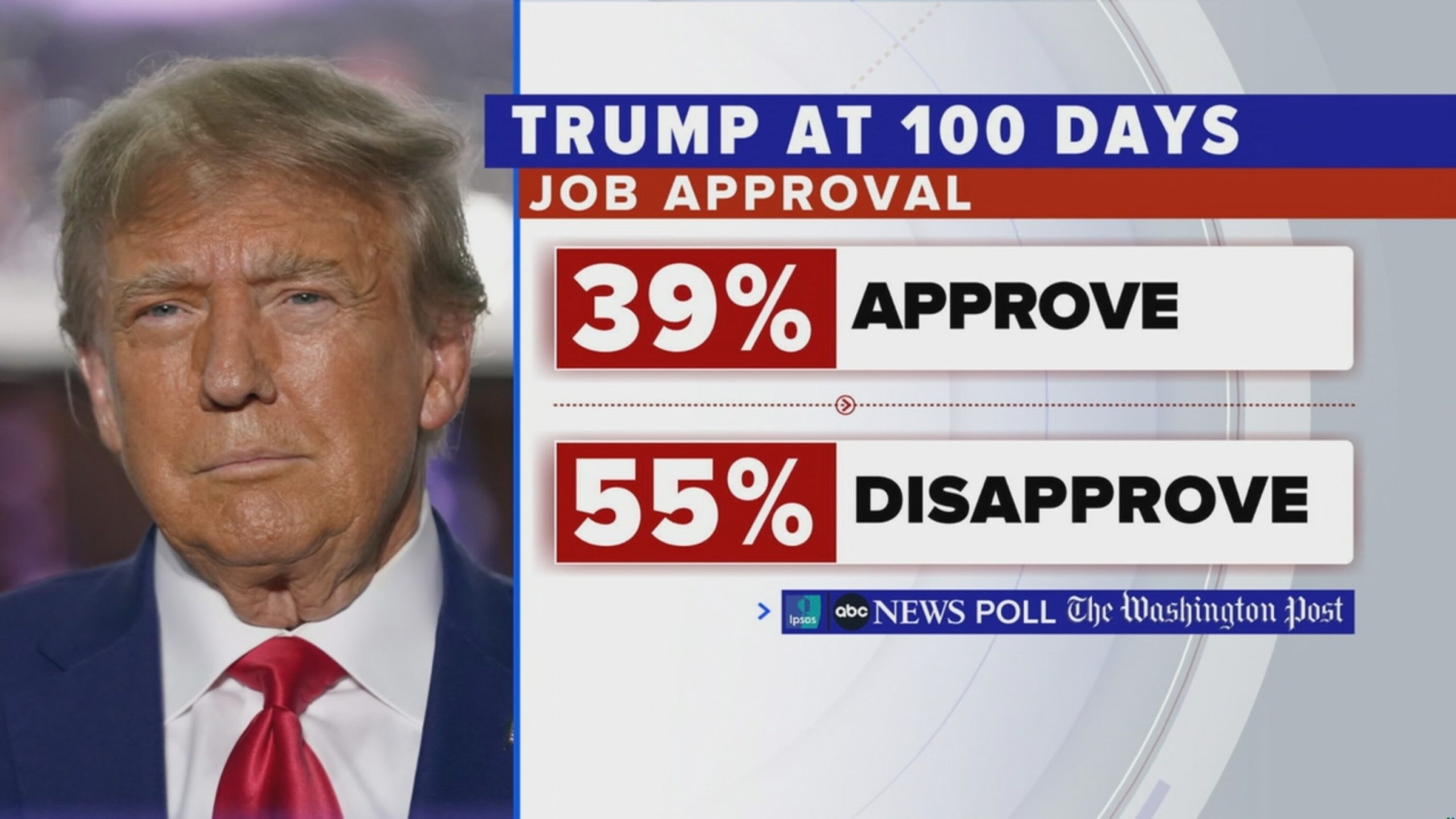
A new InsiderAdvantage survey of likely voters shows President Donald Trump’s job approval rating has rebounded to 50%, his strongest showing in nearly three months. The poll, conducted Dec. 19–20 among 800 respondents with a margin of error of plus or minus 3.5 percentage points, reveals the president’s approval rate surpassed 50% for the first time since late September. This marks a notable shift from November’s 44% rating and represents Trump’s highest approval in the InsiderAdvantage series since mid-August, when it recorded a 10-point net approval edge of 54% to 44%.
The survey results were tied by pollster Matt Towery to recent events, including President Trump’s Dec. 17 address to the nation and a fresh inflation report released by the Labor Department’s Bureau of Labor Statistics on Dec. 18. Towery noted that the improvement stemmed from gains among independent voters, younger demographics, and women, though he cautioned that a significant portion—particularly independents—remain undecided about Trump’s accomplishments. This uncertainty, he said, signals potential volatility ahead of the 2026 midterm elections.
“We’ve seen months of Trump hovering at or above 50% approval, but our November survey showed a dip to 44%. Recent developments have moved him back into the 50% range,” Towery explained in a statement. The poll highlights that undecided voters now represent an unusually high share of respondents, suggesting the president must address lingering concerns about his economic policies as he and the Republican Party prepare for the midterms.
The latest data underscores ongoing challenges in Trump’s domestic messaging, particularly regarding inflation and cost-of-living issues that have long dominated voter anxieties. While the White House speech was framed as an attempt to reset the president’s narrative, the survey reveals a nuanced picture of support amid persistent uncertainty among key demographic groups.