By Jim Mishler | Thursday, December 11, 2025 4:53 PM EST
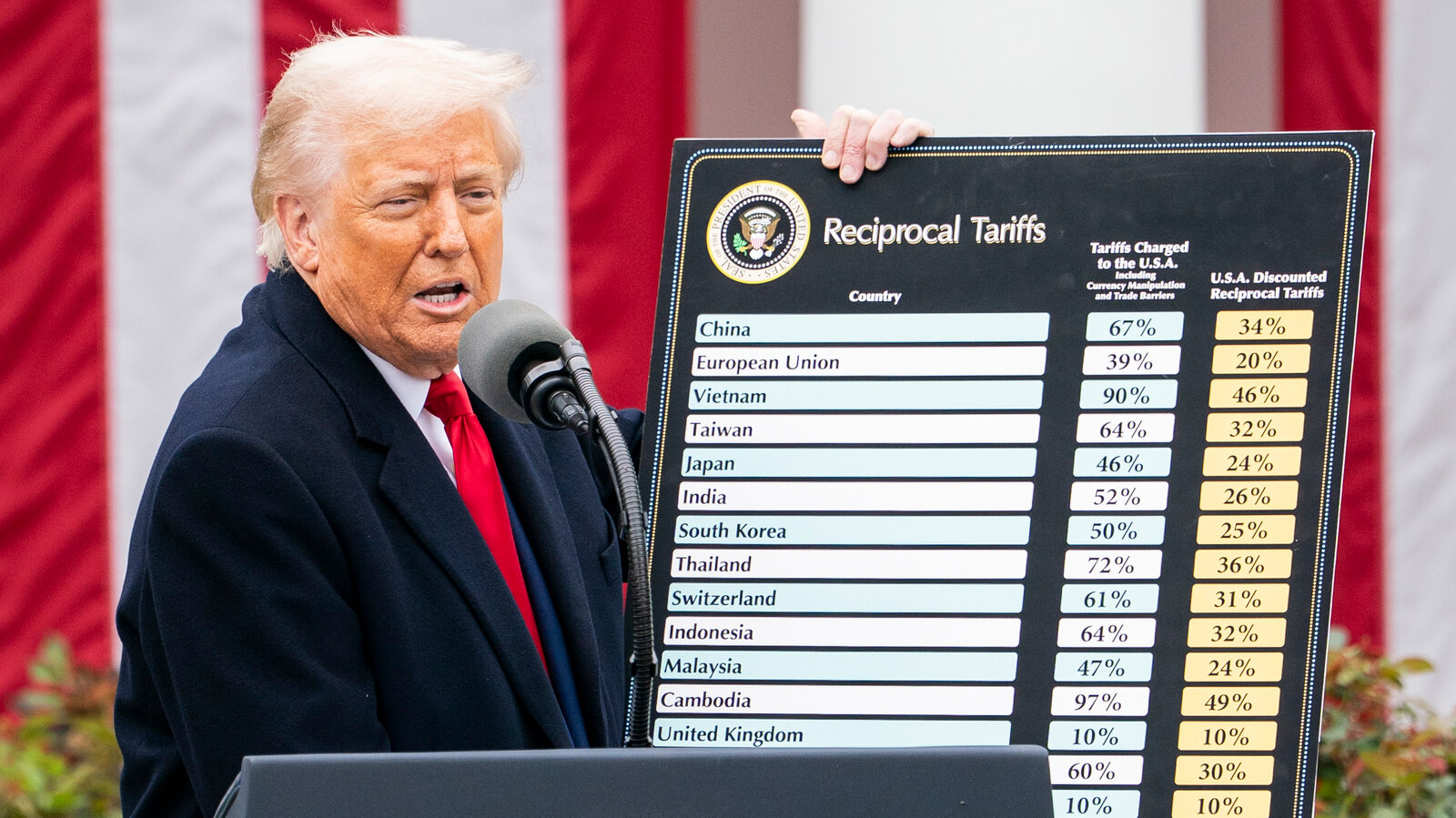
President Donald Trump’s tariff strategy led to a major drop in the U.S. trade deficit in September, according to a new Commerce Department report. The department reported the goods and services deficit fell to $52.8 billion, down from $59.3 billion in August.
This improvement reflects rising U.S. exports and slower import growth in key sectors facing higher duties. Commerce data shows exports increased to $289.3 billion while imports edged up slightly to $342.1 billion. The goods deficit narrowed to about $79 billion as tariff-targeted items exhibited the strongest shifts.
Shipments of steel, aluminum, machinery, and other tariff-affected categories declined or flattened as foreign suppliers absorbed higher costs. Trade analysts noted this pattern aligns with long-term expectations that tariff pressure would reduce imports while expanding domestic production.
The report indicates U.S. manufacturers increased shipments of industrial supplies, machinery, and consumer goods—boosting exports. Economists emphasized these new figures represent a significant structural change rather than short-term fluctuation. The September gains follow earlier improvements recorded in August when expanded tariff schedules redirected trade flows.
Commerce tables reveal several high-volume exporters saw reduced shipments into the United States as tariffs on affected goods climbed. Supporters of the strategy stated the data confirm its effectiveness: narrowing the trade gap while strengthening U.S. industry.
The department found import declines in tariff-sensitive categories outpaced increases elsewhere, directly contributing to the smaller deficit. U.S. producers gained market share in several lines where foreign competition had previously dominated. Economists noted this combination of reduced imports and higher exports supports domestic employment and investment.
The report suggests net exports may provide a positive contribution to economic growth after earlier quarters where trade weighed on gross domestic product. Manufacturers reported increased demand for U.S.-made inputs and finished goods as buyers adjusted to the tariff landscape. Commerce officials stated the September results align with the administration’s goal of reducing reliance on foreign supply chains.
The shift in trade flows shows foreign suppliers facing direct pricing pressure while U.S. producers benefit from a more level competitive field. Supporters maintain the two-month pattern proves targeted tariff enforcement can reshape trade without weakening broader economic activity. The department noted continued monitoring will track long-term effects as tariff structures remain in place.
Combined with recent manufacturing and jobs reports, government figures indicate Trump’s trade and business policies are working. Manufacturing output increased in the latest Federal Reserve industrial production report, with gains in machinery and primary metals tied to stronger domestic sourcing under the tariff structure. The Bureau of Labor Statistics employment report shows continued growth in manufacturing jobs as higher U.S. production offsets reduced foreign supply pressure.