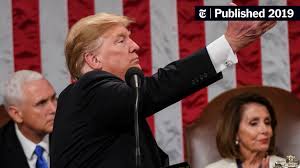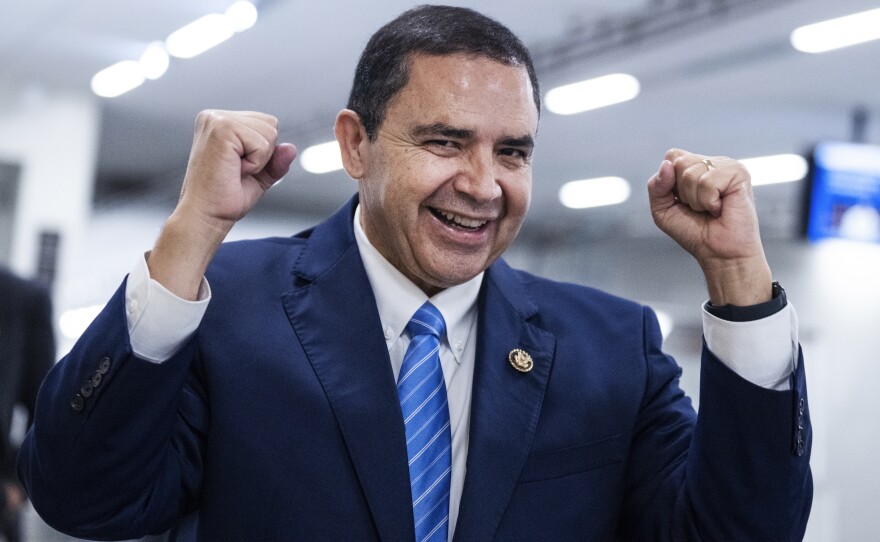
President Donald Trump staunchly defended his decision to issue a full pardon to Representative Henry Cuellar and his wife, Imelda. In remarks at the White House today, the President argued that the federal bribery case against the couple was politically motivated, presenting another instance of what he termed a “weaponized” justice system.
When asked whether granting clemency would benefit Cuellar in his bid for re-election this fall, Trump dismissed such concerns outright: “It didn’t matter,” he declared, showing little regard for how the pardon might influence public opinion or electoral politics. The President’s tone underscored his belief that the legal proceedings were fundamentally unfair.
Cuellar faces serious allegations of accepting approximately $600,000 in bribes from an Azerbaijan-linked energy corporation and a Mexican financial institution. This alleged corruption was said to have occurred in exchange for political favors. Despite these accusations potentially leading to charges including bribery conspiracy or wire fraud, the couple has insisted their names are “clean” regarding this matter.
Their scheduled trial date remains undisturbed under federal law due to the President’s executive action. The Associated Press reported that despite Trump’s intervention, court proceedings against Cuellar and his wife proceed as planned for April 2026 – unless further pardons or commutations occur in other related cases.
Trump framed the pardon specifically around their political activities, particularly highlighting Representative Cuellar’s criticism of President Biden’s immigration stance. “He was a respected person,” Trump stated, before pivoting to the legal justification. According to administration sources close to this case, Cuellar made certain remarks – specifically about restricting immigration flows into America – that were central to the decision to spare him from prosecution.
“He didn’t like open borders,” the President elaborated later on Truth Social, adding a specific critique: “As soon as he made that statement, I then said, ‘I bet he gets indicted,’ and that’s what happened. He got indicted for speaking the truth.”
This argument is part of Trump’s pattern in recent pardons; administration officials have repeatedly referred to ongoing cases as examples of political persecution aligned with the previous administration. Critics are quick to point out this perceived hypocrisy following numerous commutations, including those made before key electoral events.
The legal and public reaction has been sharp: Representative Cuellar thanked President Trump for his pardon but reaffirmed his Democratic Party affiliation shortly thereafter – a move that many interpret as an acknowledgment of political alignment rather than genuine gratitude. The case raises again questions about the fairness or motives behind such executive pardons, especially when high-profile cases appear to be targeted by the legal system itself.