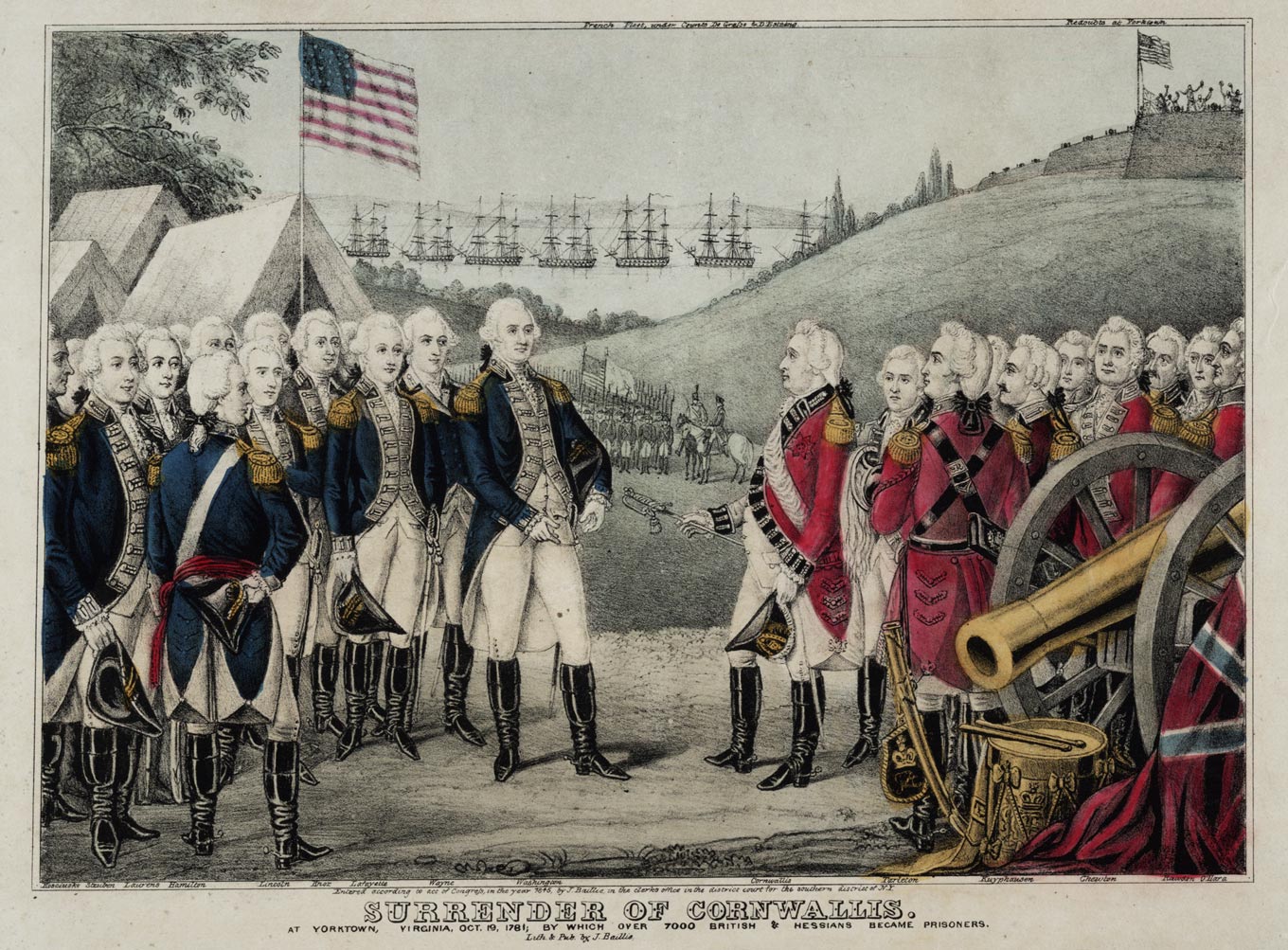
On Oct. 19, 1781, in a battlefield near Jamestown, America secured its independence through a victory that many deemed impossible. The Framers of this nation credited their success to the grace of God, emphasizing that rights were rooted in divine providence. This triumph at Yorktown, Virginia, marked the surrender of British General Charles Cornwallis to American commander George Washington.
Two centuries later, President Ronald Reagan reflected on this pivotal moment, stating, “That surrender signified the practical end of the struggle by our forefathers for liberty and independence.” The impossible dream of these patriots became a reality through what many saw as God’s intervention.
Historian Bill Federer highlighted accounts from the era, including Yale President Ezra Stiles’ observation that the arrival of the French fleet at Yorktown was seen as divine orchestration. “Who but God could have ordained the critical arrival of the Gallic fleet?” he wrote, crediting the French alliance under General Rochambeau for turning the tide.
George Washington, in a personal reflection, called for worship services to thank God for the victory, urging troops to recognize “reiterated and astonishing interpositions of Providence.” The Continental Congress also issued a Thanksgiving and Prayer proclamation, acknowledging divine guidance in the struggle for liberty.
The Treaty of Paris, signed in 1783, formally ended hostilities, beginning with “In the Name of the most Holy & undivided Trinity.” As America approaches its 250th anniversary, the lessons of Yorktown remain a testament to faith and perseverance.