By Jim Mishler | Wednesday, 05 November 2025 04:57 PM EST
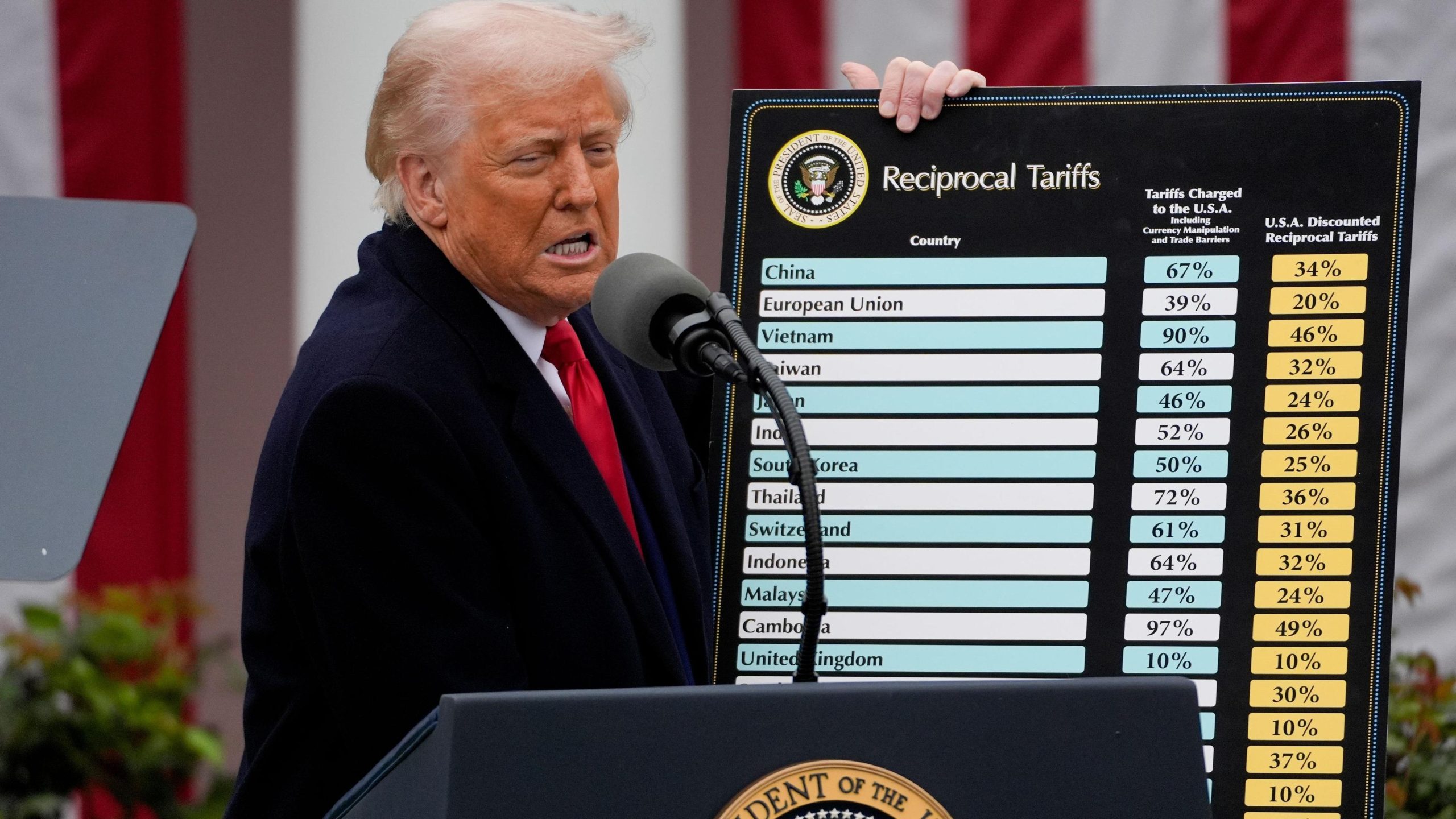
Supreme Court Justice Neil Gorsuch, nominated by President Donald Trump, questioned Solicitor General D. John Sauer on Wednesday about the boundaries of presidential power during arguments over the legality of Trump’s tariff policies. Mediaite reported that Sauer urged justices to overturn lower court decisions blocking Trump’s use of emergency powers under the International Emergency Economic Powers Act to impose tariffs on foreign countries.
Gorsuch pressed Sauer on whether Congress could delegate unchecked authority to the president to regulate commerce with foreign nations or set duties at will. “Could Congress delegate to the president the power to regulate commerce with foreign nations as he sees fit? To lay and collect duties as he sees fit?” Gorsuch asked.
Sauer replied, “We don’t assert that here. That would be a much harder case now,” before being interrupted. Gorsuch challenged Sauer’s argument, asking what would prevent Congress from abdicating all responsibility for foreign commerce or war to the president. Sauer countered that the statute in question involved “a carefully crafted compromise” with built-in limitations.
Gorsuch persisted, questioning how the Constitution’s major questions doctrine and nondelegation principle would apply if Congress handed over authority entirely to the executive. Sauer acknowledged that such a scenario would differ from the current case, where statutory boundaries exist. The discussion highlighted tensions over presidential power in foreign affairs and the scope of congressional oversight.
The case reached the Supreme Court after lower courts ruled Trump’s use of emergency powers for tariffs may have exceeded legal limits. Justices are weighing whether the International Emergency Economic Powers Act permits presidents to impose trade restrictions without explicit congressional approval.