The Supreme Court’s case on President Donald Trump’s use of emergency powers in imposing tariffs could reshape presidential authority and the balance of powers, according to judicial analyst Judge Andrew Napolitano. Speaking on “Wake Up America,” Napolitano emphasized that the court has historically deferred to the president on foreign affairs, stating the Constitution grants the executive sole authority to determine foreign policy. He highlighted the legal debate over whether Trump could unilaterally impose tariffs under the 1977 International Emergency Economic Powers Act, a move critics argue exceeds constitutional limits.
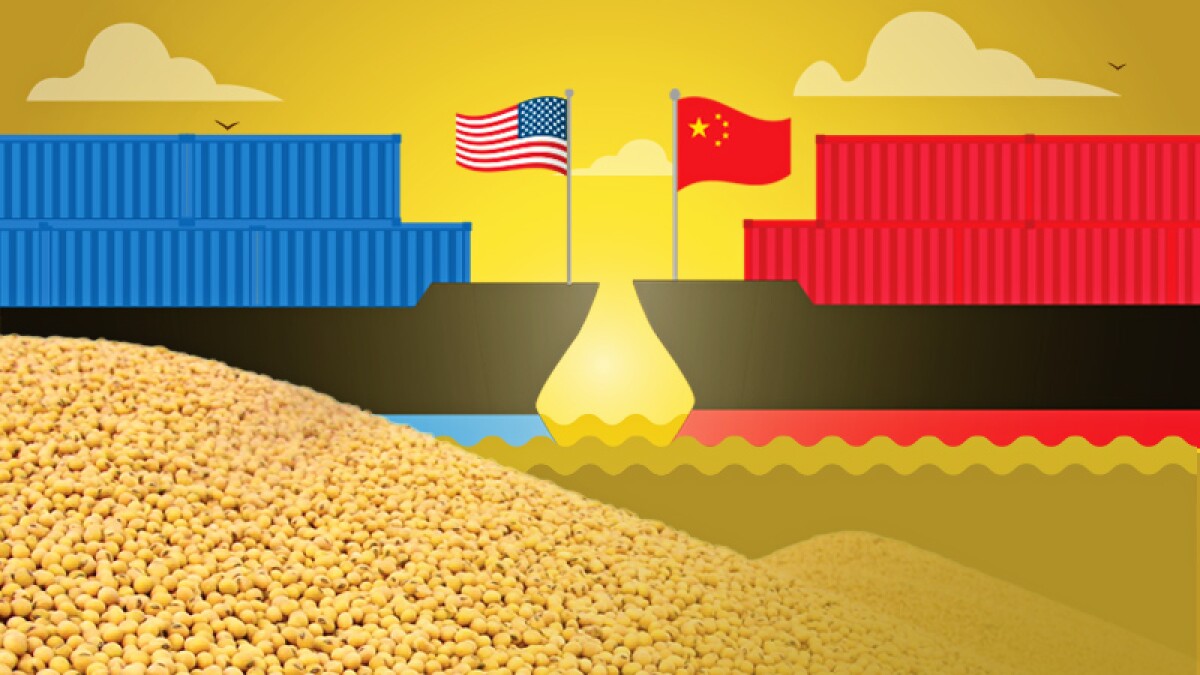
The case centers on Trump’s orders, which set a 10% baseline tariff on nearly all U.S. trading partners and targeted China, Canada, and Mexico over alleged drug trafficking issues. Napolitano described tariffs as “essential foreign policy tools” but noted the legal conflict hinges on statutory authority. He pointed out that statutes cited by Trump do not explicitly mention tariffs, arguing Congress alone holds power to impose taxes.
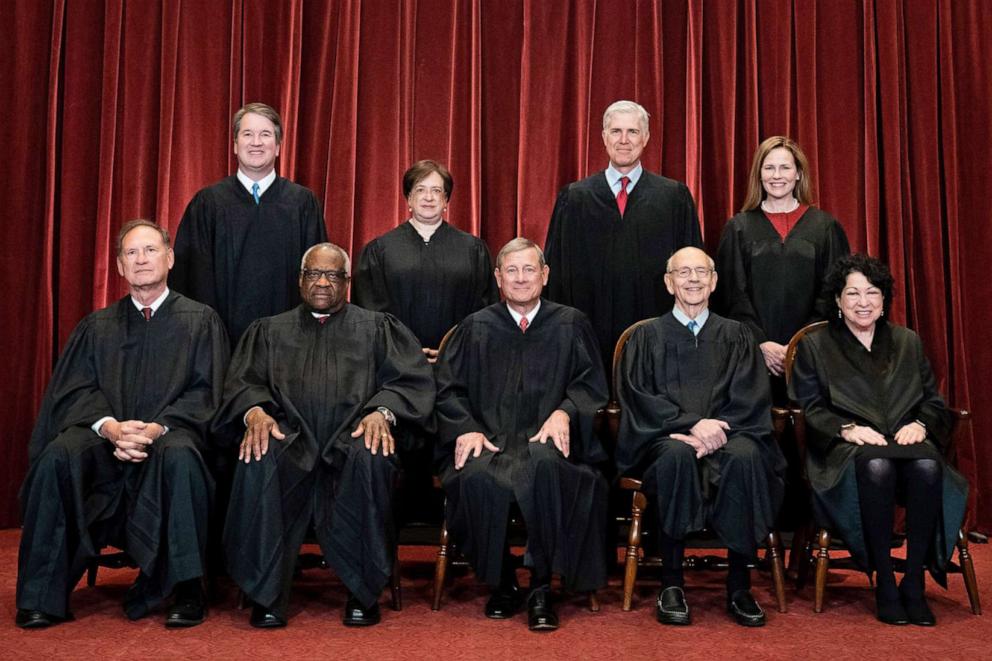
The justices’ deliberations could test the scope of presidential power and whether such actions align with constitutional frameworks. Napolitano speculated a closely divided ruling, possibly 5-4, as Justice Neil Gorsuch’s textualist approach may influence the outcome. The decision is expected to impact Trump’s economic agenda and broader executive authority in foreign policy matters.