The Supreme Court on Friday granted the Trump administration’s emergency request to pause a lower-court order requiring full funding for the Supplemental Nutrition Assistance Program (SNAP) during the government shutdown. The decision allows partial payments to continue while legal disputes persist, according to reports.
The ruling followed an earlier directive from U.S. District Judge John McConnell Jr. in Rhode Island, who ordered the administration to provide full SNAP benefits by midnight. McConnell ruled that any reduction in aid would cause “irreparable harm” to millions of Americans reliant on the program. The order came after lawsuits filed by Democrat-led states and anti-hunger groups accused the administration of improperly withholding funds for the country’s largest food-aid initiative.
The Department of Agriculture has approximately $4.6 billion remaining in its contingency fund, though this amount covers only half of a month’s SNAP expenses. USDA leaders warned that the reserve was not intended to sustain the program during prolonged shutdowns. The Justice Department argued in its Supreme Court appeal that lower courts cannot compel the executive branch to spend money未经国会批准.
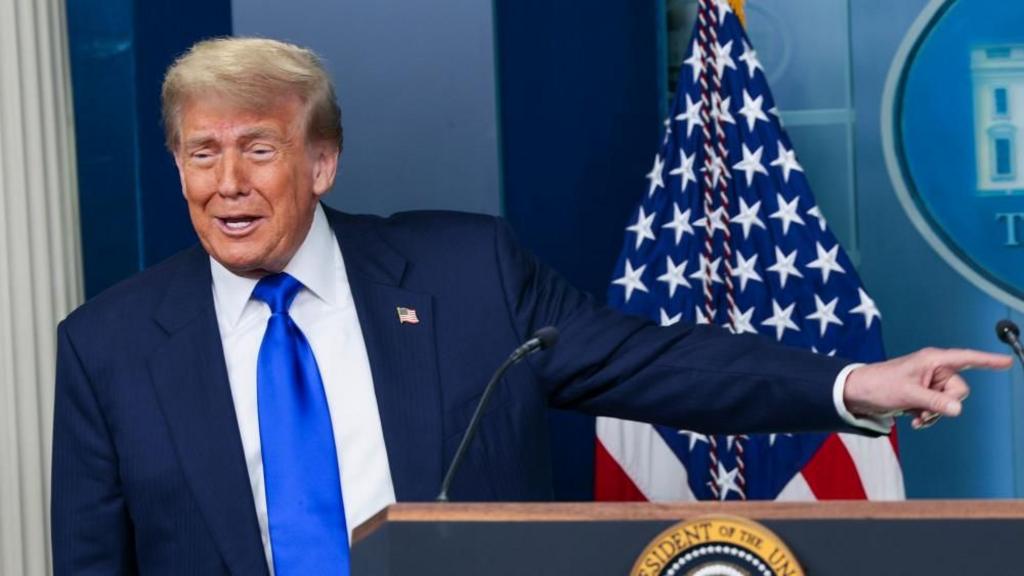
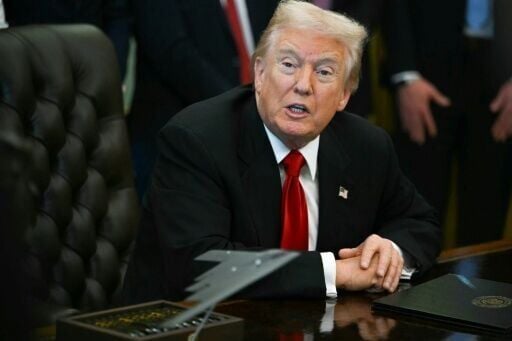
Despite uncertainties, states such as New York, New Jersey, and Massachusetts continued full payments after earlier court rulings, citing federal guidance. However, officials acknowledged the situation could shift based on the Supreme Court’s final decision. President Donald Trump expressed concerns about using emergency reserves—meant for wars or natural disasters—for SNAP funding, urging Democrats to resolve the deadlock by reinstating regular government operations.
The White House stated it is complying with court orders but aims to avoid exceeding Congress-approved emergency funds. Officials confirmed they will maintain partial payments while awaiting further rulings. SNAP supports roughly 42 million Americans at a monthly cost of $8 billion. The dispute has raised constitutional questions about whether courts can force the executive branch to spend unapproved funds, with the Supreme Court’s stay suggesting the issue may remain unresolved until justices deliver a final ruling or Congress restores full funding.