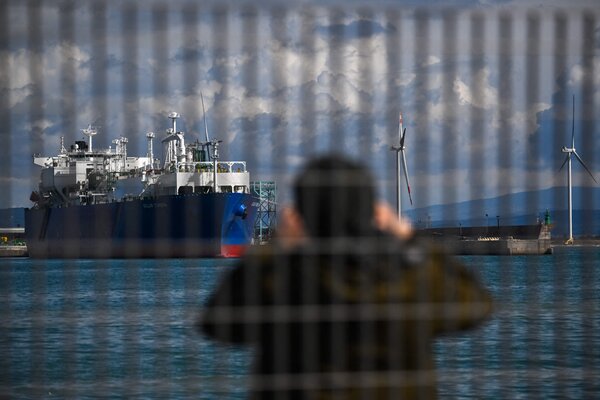
Russia has dispatched two tankers carrying oil and liquefied natural gas to Cuba as the Caribbean island confronts a worsening energy crisis under President Donald Trump’s administration. Russia’s Foreign Ministry stated it would “provide Cuba with the necessary support, including material assistance” and reaffirmed its “unwavering solidarity with the government and fraternal people of Cuba.”
The shipments arrive amid severe fuel shortages in Cuba that have disrupted electricity generation, transportation, and industrial activity nationwide. On Monday, Cuba’s national electric grid collapsed, leaving approximately 10 million residents without power due to an ongoing U.S.-imposed oil blockade that has crippled the island’s already obsolete power systems.
Cuban authorities have recently implemented rolling blackouts lasting several hours each day in major cities, including Havana, as aging infrastructure and dwindling fuel supplies strain the national grid. Officials warn that without additional energy imports, these outages could become increasingly severe.
The two Russian tankers are expected to deliver critical crude oil and natural gas, which Cuba relies heavily on for electricity production. Analysts note that while the arrival of Russian fuel may provide temporary relief, it is unlikely to address Cuba’s deeper structural issues, including outdated power plants, limited domestic energy production, and logistical constraints.
Russia has been actively expanding its economic and political ties in Latin America, particularly with nations that have historically opposed U.S. foreign policy. In response to U.S. restrictions, Cuba has turned to allies such as China, Russia, and Venezuela for energy assistance.
The United States recently eased some sanctions on Russian oil shipments, a move that reflects global concerns over sharply higher crude prices stemming from supply shortages linked to the Iran war.