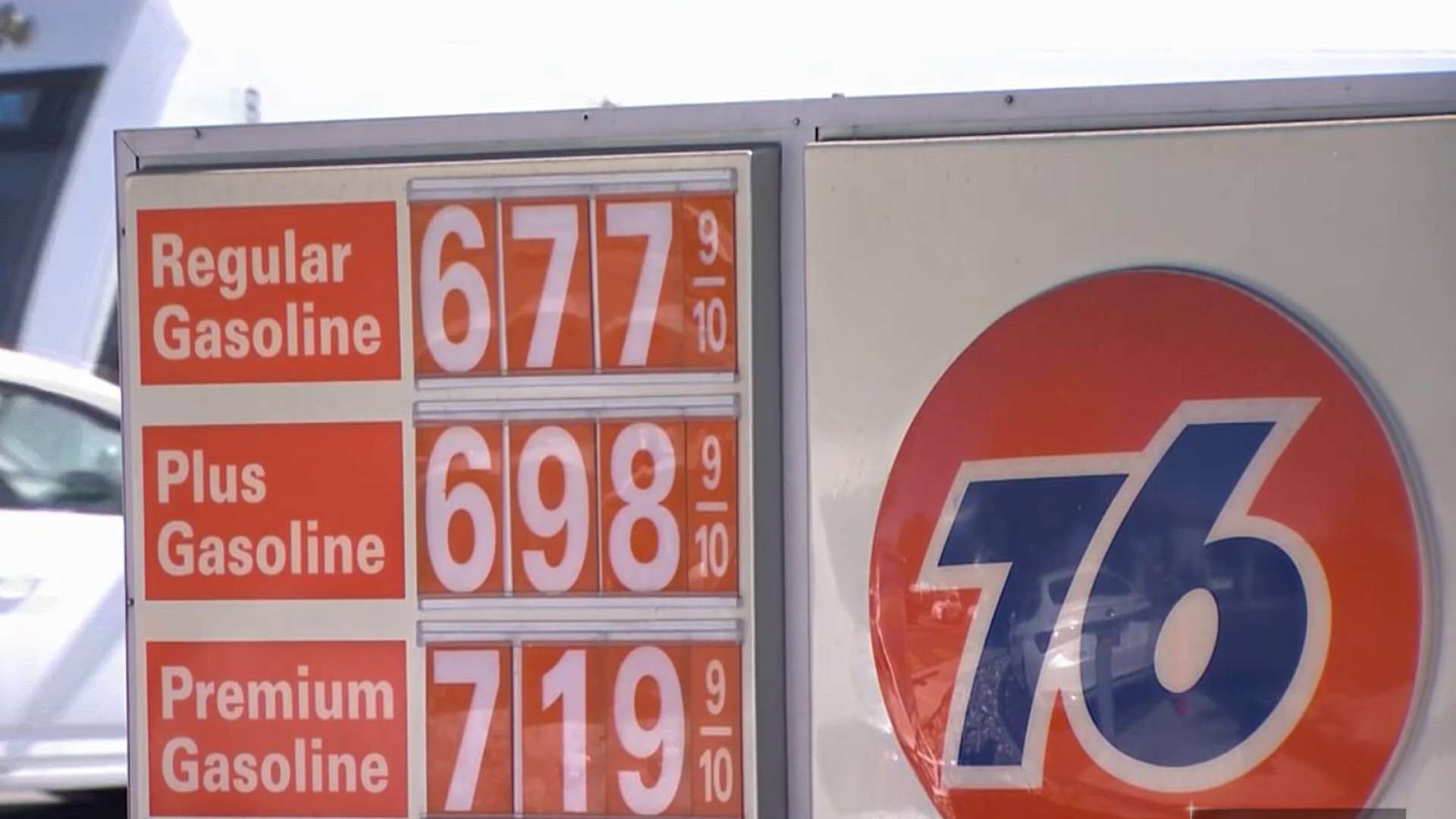
Former Energy Secretary Rick Perry stated Sunday that surging energy costs in states like New York and California are primarily driven by local environmental regulations rather than global conflicts, despite tensions with Iran pushing oil prices higher.
“When you go to New York or California, it’s probably at least $2 a gallon more in each state because of these green policies they’ve put into place,” Perry said. The former Texas governor noted he paid $3.55 per gallon for gas at a station in La Grange, Texas, while residents in blue states face significantly higher prices due to restrictive laws.
Perry highlighted New York’s blocking of pipelines that would transport domestic crude oil from northern Pennsylvania into the state for refining. “For instance, New York wouldn’t allow for crude oil to be piped across out of northern Pennsylvania into New York for refining,” he explained. “So they’re having to use Russian fuel to pay for their gasoline.”
He added California faces similar challenges because of what Perry described as overly restrictive environmental policies that inflate consumer costs.
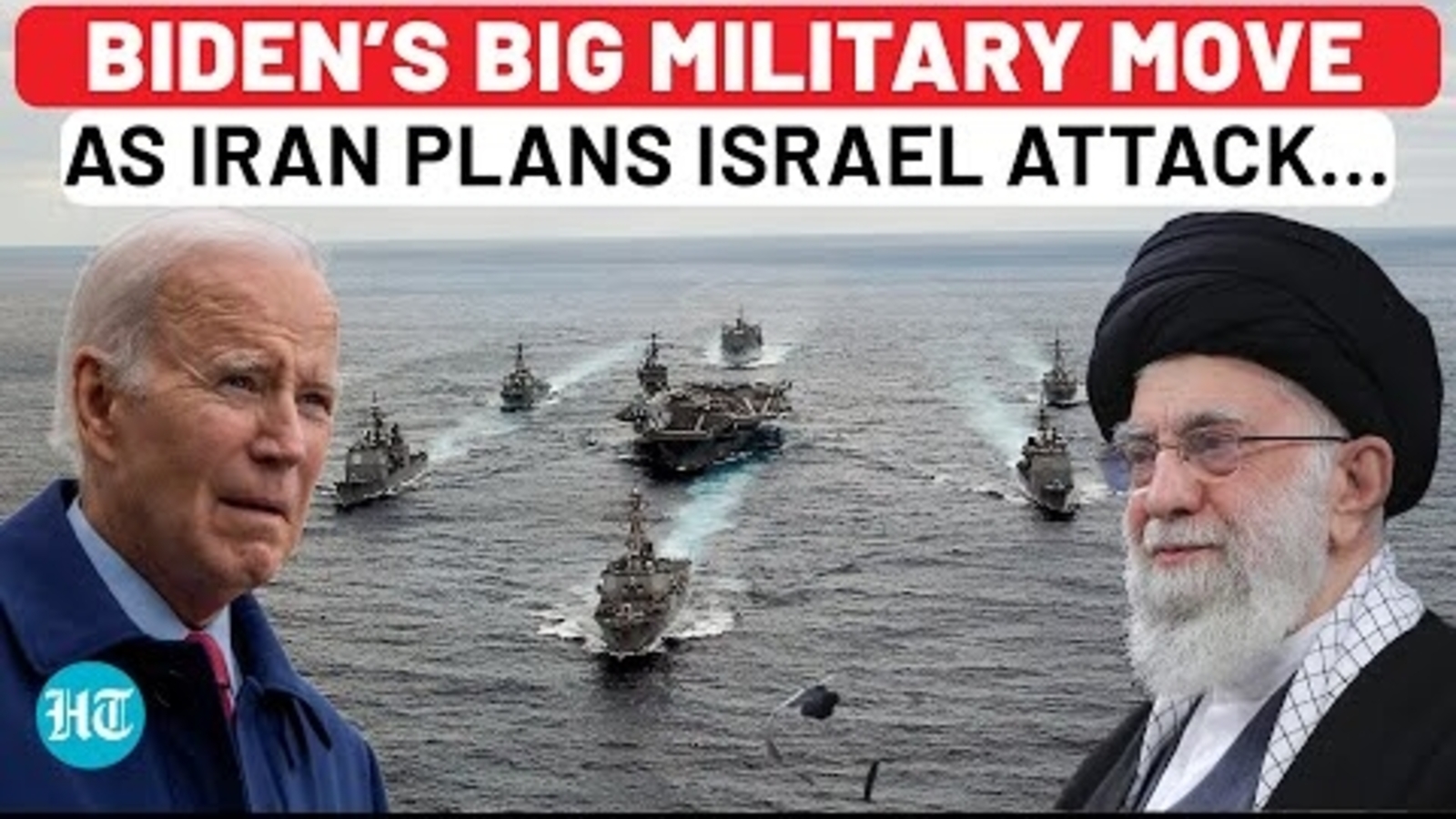
Perry emphasized that while Iran tensions contribute to global energy price hikes, they are not the sole cause. “This isn’t just because Donald Trump has gone to war with Iran,” he said. “Yes, that’s driven up energy prices around the world to some degree.”
The former Energy Secretary also argued that removing Iranian-backed groups like the IRGC, Hamas, and Hezbollah from the region could stabilize global markets and foster long-term peace in the Middle East. “You remove those groups out of that region of the world, and not only can the Middle East become a flourishing economy, but a place that can finally live in peace,” he stated.
Perry acknowledged Iran’s threats to close the Strait of Hormuz—a critical global shipping route—but maintained they lack the capacity for full blockade. “My instinct here is that the Iranians cannot fully blockade the Strait of Hormuz. They don’t have the ability to,” he said.
He warned disruptions in the region would affect more than oil prices, noting key materials used in manufacturing and agriculture pass through the area. “There’s going to be discombobulation, there’s going to be pressure on prices,” Perry added. “But at the end of the day, this is going to be good for the Middle East. It’s going to be good for the world.”