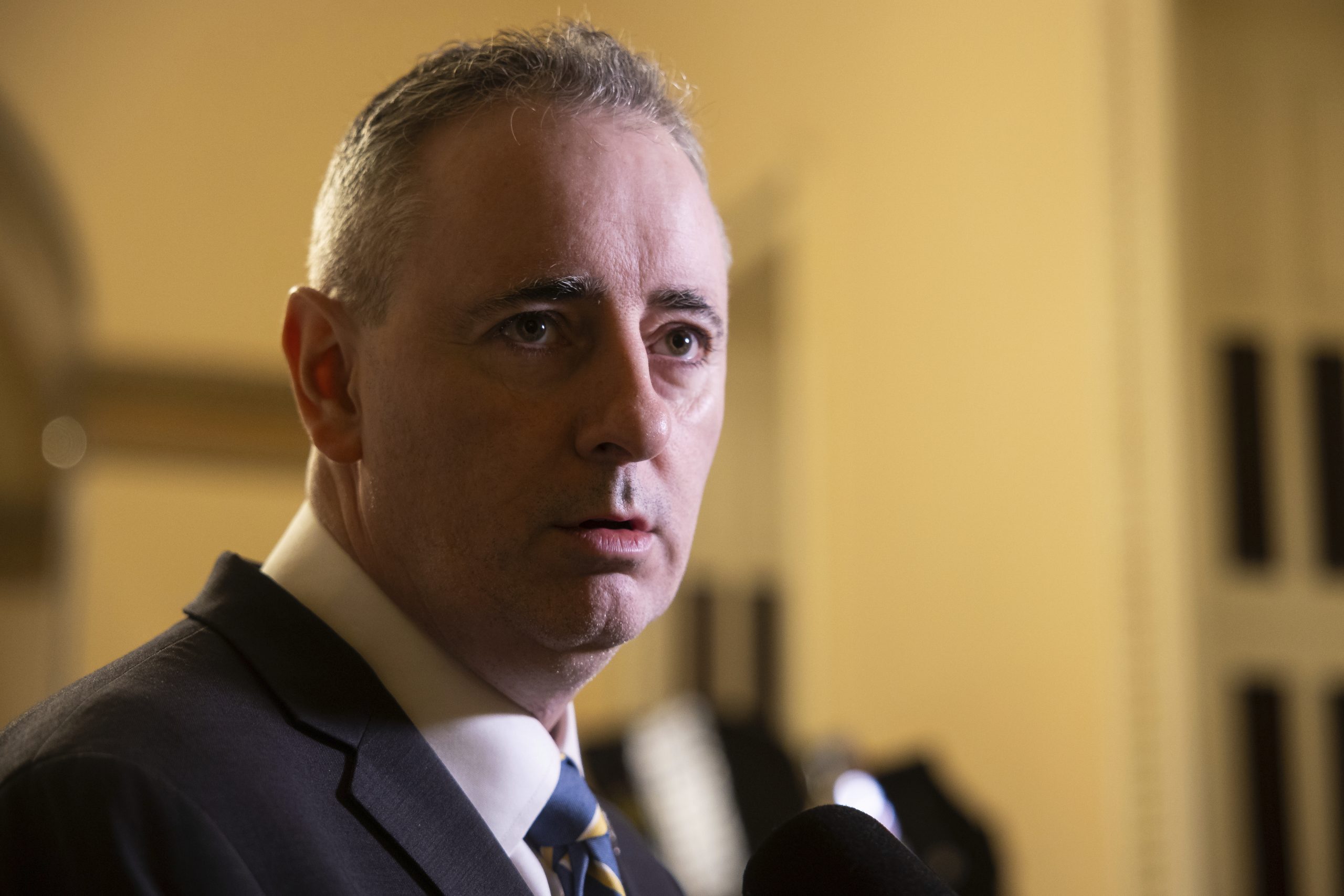
WASHINGTON – In remarks to CNN, Representative Brian Fitzpatrick (R-Pa.), a member known for occasionally diverging from his party’s positions on health policy issues, voiced sharp criticism of the House Republicans’ ongoing strategy regarding healthcare legislation. He stated that despite years of attacks on the Affordable Care Act (ACA), often referred to as Obamacare, they have yet to present a viable alternative.
Speaking after an interview with CNN, Fitzpatrick emphasized this point in his comments about current GOP legislative efforts related to the ACA. The representative noted that during his first term in Congress, he opposed the Republican healthcare bill of 2017 because it was inadequately thought out and hastily assembled – a stance that demonstrated foresight according to him eight years later.
Fitzpatrick expressed concern over what he perceives as an alarming lack of progress since then. He believes the party has been unsuccessful in developing effective replacements for ACA, leaving its critique lacking substance without concrete solutions.
He also voiced support for preserving essential subsidies under the law – specifically, premium tax credits that have helped reduce healthcare costs for millions during the COVID-19 pandemic. These credits are set to expire at year’s end unless Congress extends them via a new measure.
The representative has advocated urging lawmakers to prioritize affordability over political rhetoric around healthcare reform. He specifically mentioned that legislative debates on unsubstantiated claims about socialism or trivial NCAA-related topics detract from addressing tangible issues like soaring living expenses and high healthcare costs for everyday Americans, including his constituents in Pennsylvania’s 10th district.
Fitzpatrick suggested the party leadership may need to refocus their attention away from symbolic votes towards practical reforms. He has raised this concern directly with House Majority Leader Steve Scalise about what he sees as misallocated legislative priorities impacting public trust and legislative productivity.
The representative positions himself as a moderate Republican focused on constructive engagement rather than outright repeal efforts, supporting bipartisan bills aimed at gradually reducing healthcare expenditures through improved efficiency measures while maintaining affordability for families.