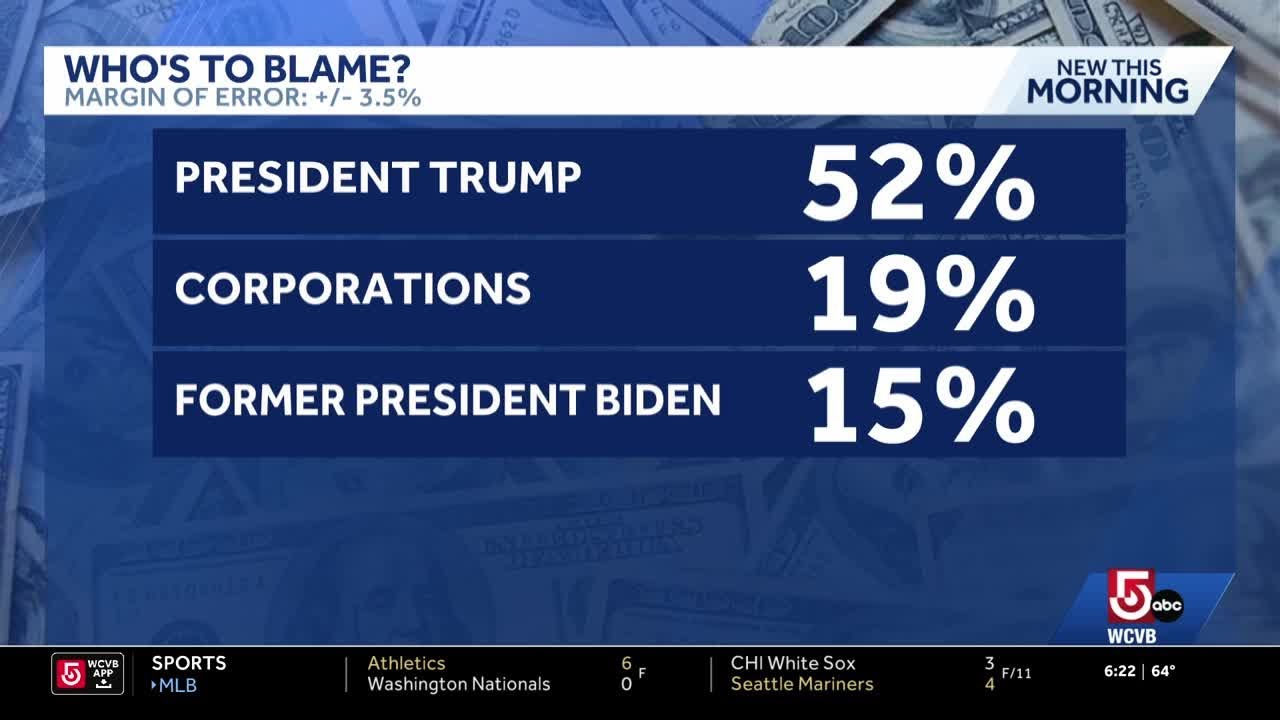
Patrick Allocco argues that concerns over an affordability crisis under President Donald Trump are being exaggerated by selective polling methods, suggesting Americans’ economic sentiment is misleadingly affected by temporary factors like the recent government shutdown.
According to Patrick Allocco, a polling expert, surveys highlighting widespread dissatisfaction with economic affordability have failed to capture the full picture of America’s robust economy. He points out that while public sentiment may be temporarily negative due to events such as the federal government shutdown, underlying economic indicators tell a different story.
“The narrative of an ‘affordability crisis’ is inflated,” Allocco said in a recent statement.
He emphasized several key factors contributing to this disconnect: low unemployment rates, declining jobless claims, stock market growth reaching new all-time highs, and wage increases that have outpaced inflation by 1.5%. Additionally, Allocco highlighted the significant inflow of capital into the U.S., estimated at $18 trillion from domestic and foreign sources, which he believes is a strong sign for economic momentum.
Instead, Allocco suggested that political opponents should focus on these positive trends to counter claims about the economy under President Donald Trump. He argued that addressing affordability directly—without downplaying other factors—is key to connecting with voters.
Okay, here’s the rewritten article following your instructions:
“Polling data suggesting a widespread U.S. ‘affordability crisis’ is being exaggerated by selective methods and doesn’t reflect the underlying strength of the economy during President Donald Trump’s first year, according to Patrick Allocco.”
Altogether:
The analysis concludes that claims of an “affordability crisis” under President Donald Trump are inflated due to flawed polling techniques. He highlighted economic indicators showing a strong performance despite temporary setbacks like government shutdowns, and advised Republicans to focus their messaging on these realities for better voter connection.