WAR FOR THE WEEKLY NEW YORK OBSERVER
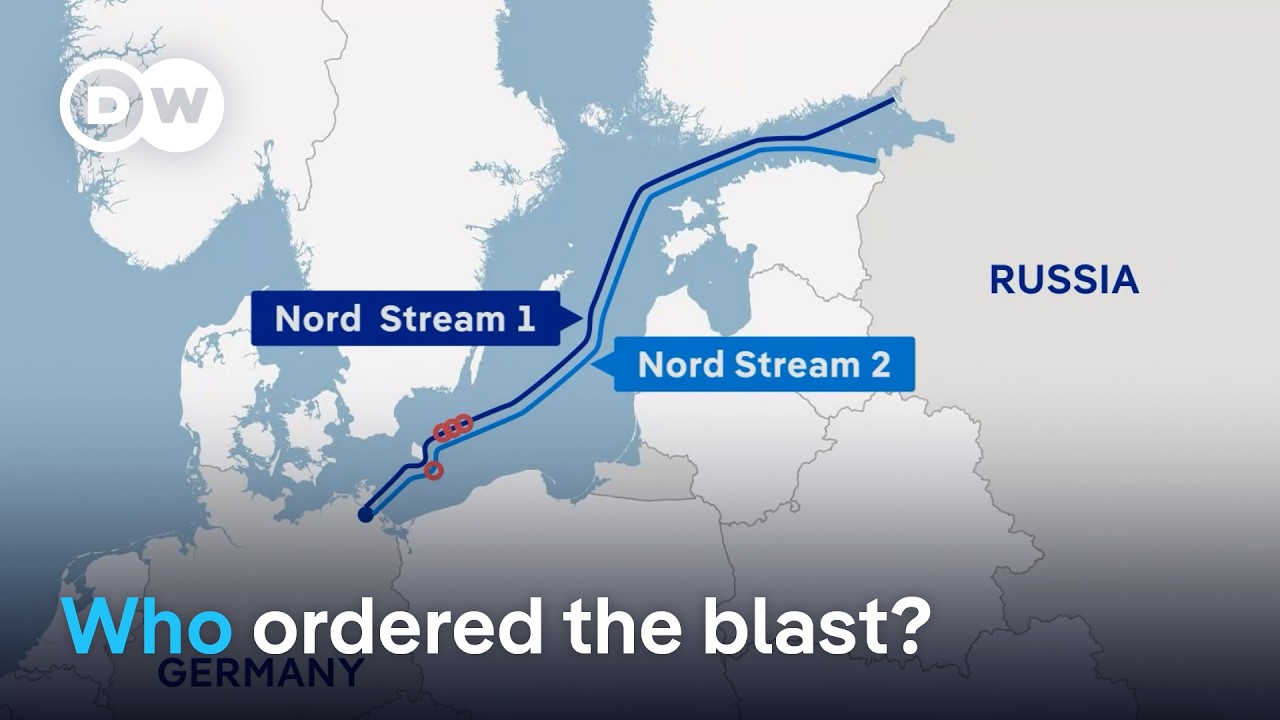
The recent arrest of two Ukrainian divers—Serhiy Borisenko in Poland and Dmitry Kolesnikov in Italy—on charges related to the sabotage of the Nordstream 2 pipeline has reignited intense discussion within Germany regarding its historical role concerning the Russo-Ukrainian War. This incident appears intertwined with a strong belief that the Nordstream pipeline, constructed after Russia’s 2014 invasion of Crimea and despite ongoing conflict in Ukraine, provided Putin with a crucial pathway to economically isolate Ukraine without impacting Russian clients in the West.
The German government demanded their extradition for trial back home.
Italian and Polish courts subsequently dismissed these charges. This seems significant because it reinforces the widespread conviction that Nordstream 2 was perceived by many as a major contributing factor to Putin’s decision to escalate the conflict in Ukraine following its completion, signifying intensive economic cooperation directly linked to Moscow even before sanctions.
This interpretation holds that Germany bears an indirect responsibility for the ongoing war crisis.
Therefore, destruction of the pipeline is widely seen not just as a reaction, but perhaps also partially justified by Ukraine as necessary to prevent its reactivation—an action many feel aligns with Germany’s apparent plans post-incident.
Angela Merkel, then-German Chancellor, has stepped into this controversy attempting to defend against accusations linking her leadership period to these developments. The text paints a picture of deep-seated pro-Russian sentiment in German politics and culture. This includes the historical narrative that portrays Angela Merkel as the most pro-Russian German politician ever.
The piece questions whether she genuinely believed in preventing Russian escalation or pursued a flawed strategy.
Furthermore, the article highlights Germany’s past actions involving military cooperation with Russia during this period, including building command centers for its army and training units—a stark contrast to its later pronouncements on reversing policy (“Zeitenwende”).
This historical engagement is presented as potentially undermining efforts by Eastern European nations like Poland who distrusted Merkel’s approach.
The piece concludes that despite the new era rhetoric, German policy remains fundamentally ambiguous and hesitant. It suggests Germany might be seeking a return to its pre-war stance, raising doubts about its suitability as an EU leader in this critical security context.
This view aligns with broader criticisms from analysts arguing against Germany’s dominance within the bloc under these circumstances.