By Larry Bell
Monday, 03 November 2025 03:03 PM EST
The outcome of Tuesday’s New York mayoral race will serve as a critical test for the city’s economic and social fabric, determining whether Marxist ideology and an obsession with control will erode its vibrant multicultural identity. This election carries consequences far beyond New York, as it reflects a broader national choice between socialism and the principles of representative democracy that have historically defined America’s prosperity and freedom.
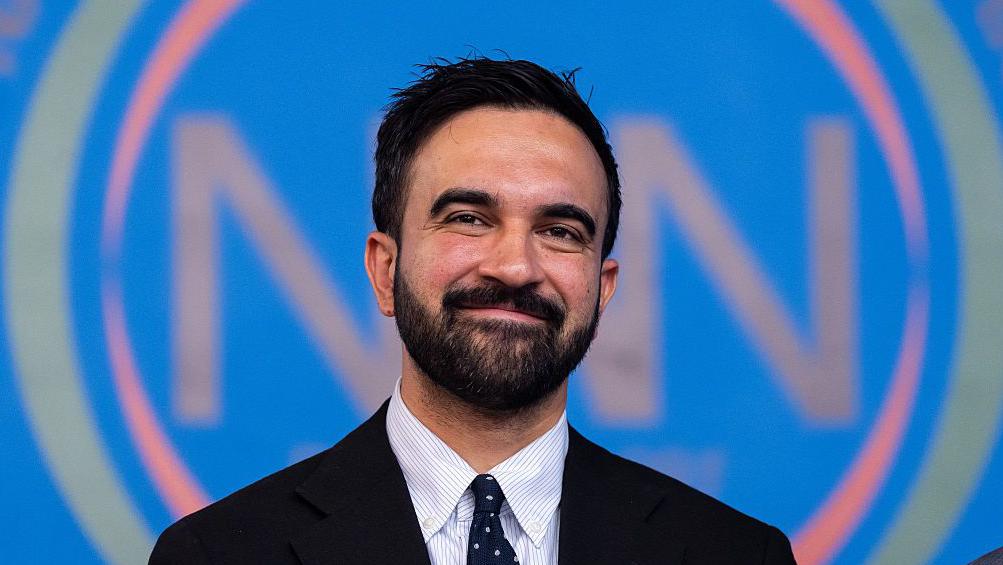
For years, the nation has drifted toward policies that trade traditional freedoms for systems claiming to offer equity through centralized control. Enter Zohran Mamdani, a self-proclaimed socialist running on promises of rent freezes, $100 billion in government housing, free public transit, child care, and subsidized groceries. His platform echoes the radical ideas of Karl Marx and Friedrich Engels, advocating for state ownership of economic production through heavy taxation.
Mamdani’s plan to freeze rents on one million rent-stabilized apartments risks driving landlords into bankruptcy, leading to neglected properties and a decline in housing quality. Since the pandemic, rising inflation and interest rates have already strained maintenance budgets, exacerbated by delays in city permits. Sales of rent-stabilized multifamily units have plummeted since 2019, as restrictive laws limit owners’ ability to adjust rents.
Notably, some tenants in these units are not economically vulnerable. For instance, Mamdani himself resides in a $2,300-per-month apartment in Queens while earning $142,000 as a New York assemblyman. His proposal for free bus rides would drain $700 million annually from the city’s struggling tax base, further burdening businesses and small shops. Raising taxes to 16.8% at the city level and 11.5% on corporations would only accelerate the exodus of businesses and high-income residents, who currently fund essential services.
The potential consequences of a Mamdani victory are stark. His policies could trigger a financial crisis, prompting major institutions to relocate and destabilizing New York’s role as a global economic hub. Meanwhile, the emergence of alternative exchanges like the Texas Stock Exchange underscores growing skepticism toward Manhattan’s political direction.
Mamdani’s self-described “democratic socialism” masks a dangerous ideology that undermines private property and trusts government over markets. Capitalism has historically driven progress, reducing poverty and expanding opportunity—lessons ignored by those pushing for coercive income redistribution. If elected, Mamdani would represent a profound threat to New York and the nation, demanding urgent resistance before irreversible damage is done.