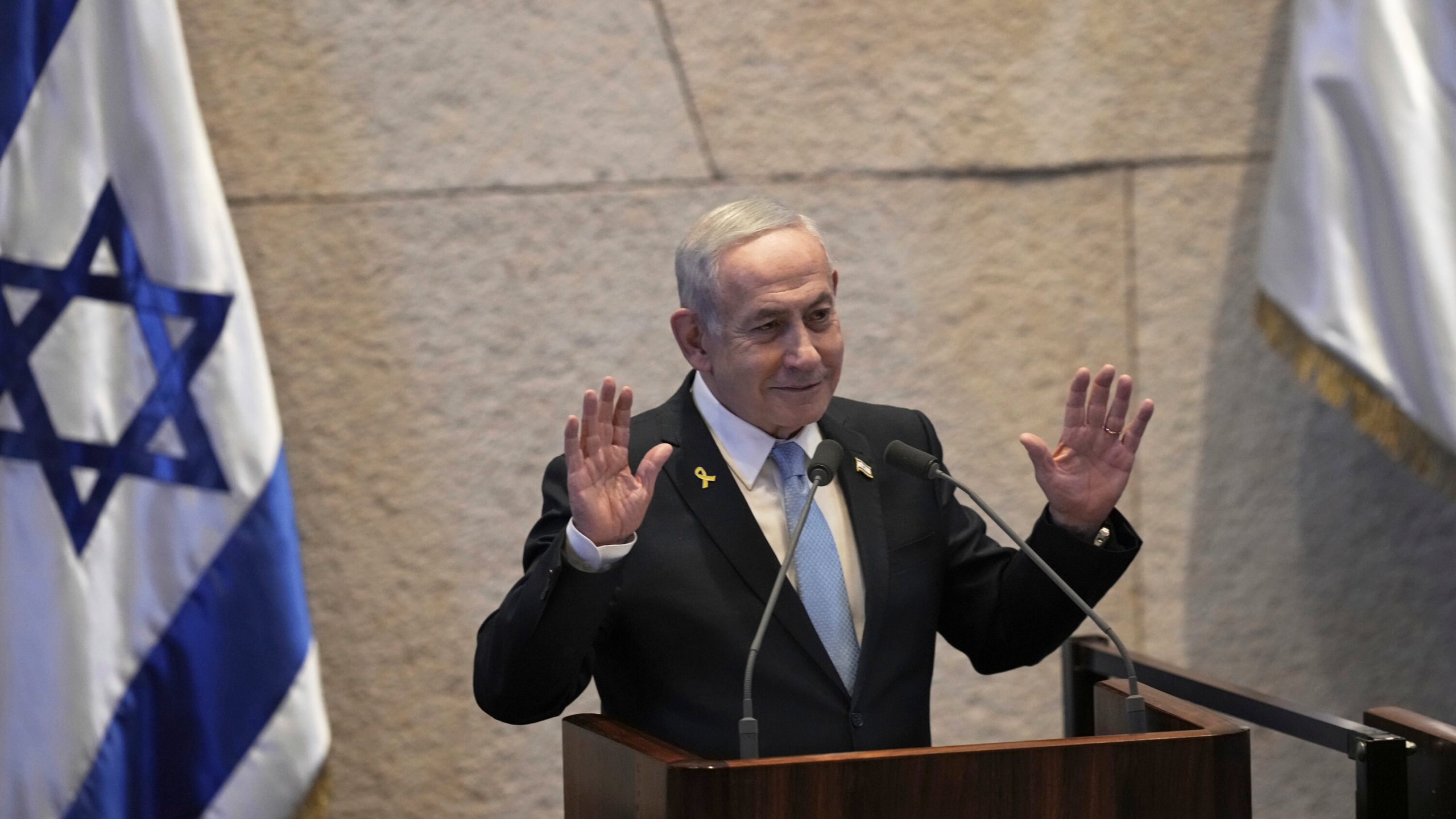
Israeli Prime Minister Benjamin Netanyahu said Tuesday that economic collapse and public unrest in Iran and Venezuela underscore the vulnerability of authoritarian regimes and that meaningful change in both countries must come from internal pressure.
Regarding Iran, Netanyahu stated recent protests tied to a currency collapse reflect deep anger at decades of repression and corruption by the ruling clerical establishment. He drew a sharp distinction between Iran’s people and its leadership, saying the regime has diverted national wealth into nuclear pursuits and proxy forces rather than basic services, leaving ordinary Iranians without reliable food, water, or electricity.
“They’ve robbed their people of the future, and the people are expressing it now in protest,” Netanyahu said. “If you have a change, it will come from within.”
Netanyahu emphasized that it is up to the Iranian people, adding he understands what they’re going through and expresses sympathy for them.
He also pointed to Venezuela as another example of a resource-rich nation pushed into crisis by authoritarian misrule, describing a population facing soaring inflation and scarcity despite the country’s oil wealth. Netanyahu said dictatorial systems that suppress free markets and human rights eventually face pushback from their own citizens.
Additionally, Netanyahu noted that Hezbollah has maintained a foothold in Venezuela for years, with the group’s criminal networks—including drug trafficking—intersecting with instability caused by failing regimes.
The prime minister stated he would not rule out the possibility of Iranian arms shipments to Venezuela, framing it as another reason the status quo cannot persist.
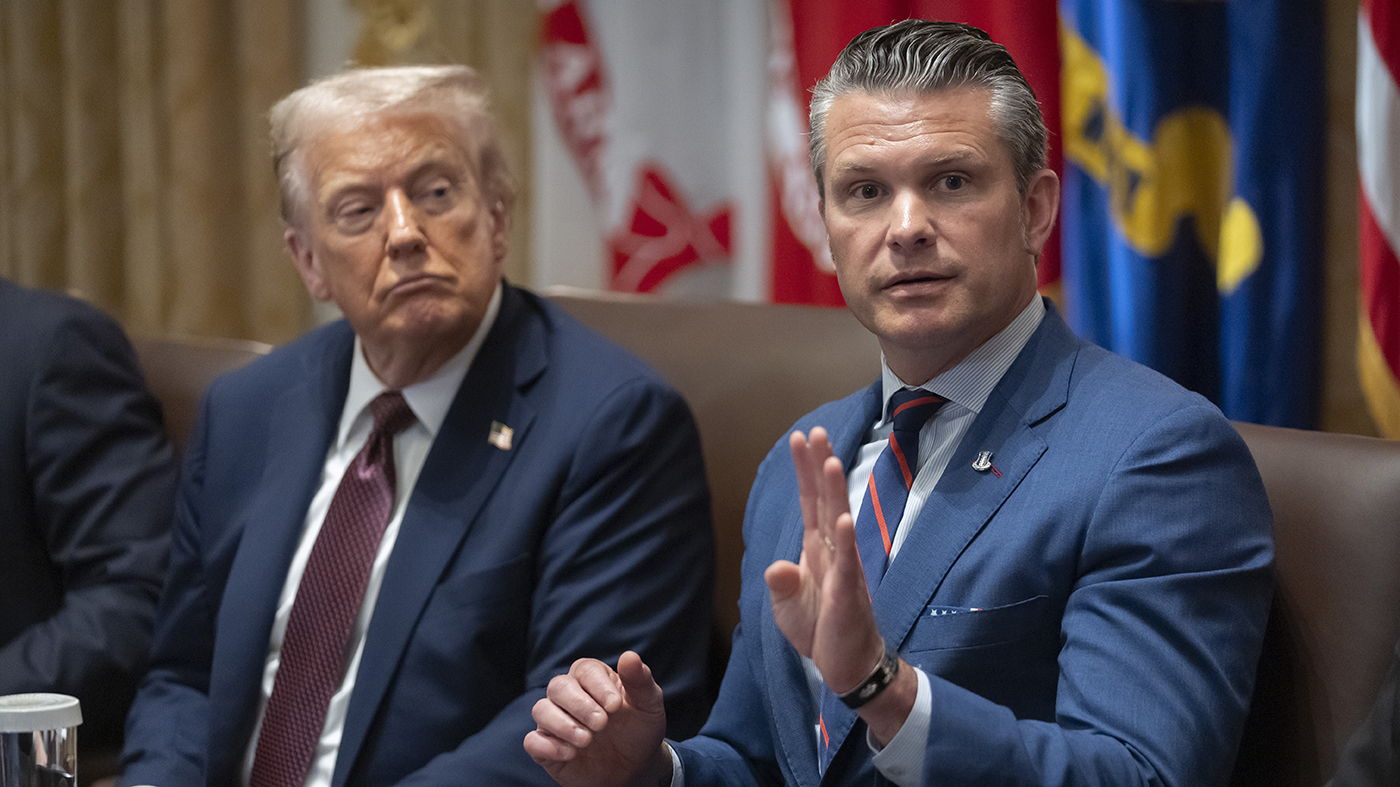
Netanyahu credited President Donald Trump with confronting Iran and “radical Islam” and said strengthening alliances, including efforts to expand the Abraham Accords, could help create conditions for greater security and political change in the region.