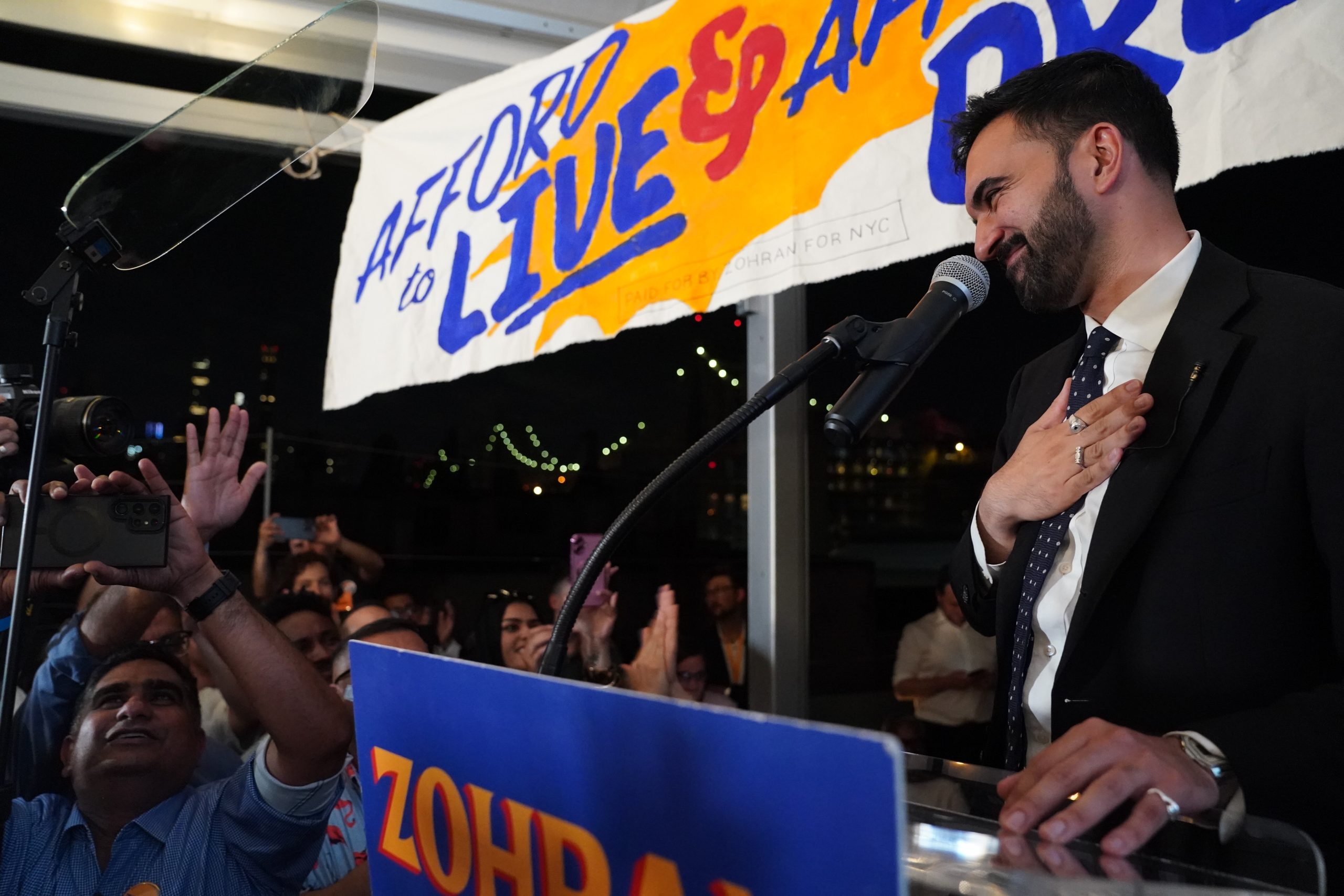
In an unexpected turn of events, Zohran Mamdani secured a decisive win in the New York City 2025 mayoral election against seasoned political figures Andrew Cuomo and Curtis Sliwa. This victory underscores the effectiveness of targeted voter segmentation and strategic messaging.
Mamdani’s triumph can be largely attributed to his focus on economic affordability concerns, particularly around housing costs and food prices. By addressing these issues head-on – promising lower rents, government-run grocery stores, and free public transportation – he successfully tapped into a major national concern. This issue-based approach proved highly resonant with key demographic groups.
His coalition-building strategy was remarkably effective. Exit polls revealed that Mamdani drew significant support from diverse voter segments including young urban professionals in Brooklyn, minority communities disproportionately affected by affordability issues, voters aged 18-29 (particularly women), and those earning middle-income levels.
Interestingly, his campaign employed sophisticated political intelligence tactics – effectively mobilizing registered voters for early mail-in or Election Day voting. This contrasts sharply with the campaigns of Cuomo and Sliwa who appeared to lack this crucial voter engagement strategy despite decades in politics.
Mamdani’s self-assured approach also resonated well beyond traditional demographic targets. The article suggests he may be building a new political coalition by connecting with renters, non-traditional voters, and groups typically overlooked by established parties.
The success of Mamdani’s campaign serves as a case study for modern political strategy, demonstrating how effective issue positioning combined with targeted voter outreach can overcome experience-based assumptions in electoral politics.