By Charlie McCarthy | Sunday, 21 December 2025 03:05 PM EST
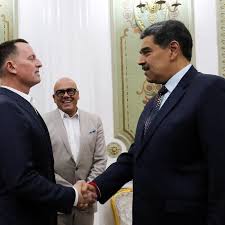
Sen. James Lankford, R-Okla., cautioned against using American military force to overthrow Venezuelan leader Nicolás Maduro, stating, “If you break it, you buy it.”
During an appearance on CNN’s “State of the Union,” Lankford warned that U.S.-backed efforts in Libya led to a collapse into a failed state after the removal of its leadership. He argued that Venezuela’s people have already voted against Maduro and that the United States has long declined to recognize him as legitimate.
When pressed by host Kasie Hunt on whether Washington should deploy “American arms and boots” to achieve regime change, Lankford emphasized the need for a viable post-regime plan. He pointed to Libya as a cautionary example of what happens when the U.S. intervenes without ensuring stability.
Lankford also defended President Trump’s current approach to Venezuelan sanctions, noting that at least one vessel linked to Venezuela had been sanctioned under former President Joe Biden but no action was taken, while Trump has acted on similar cases. He accused Venezuelan tankers of using “false flags” and “fake GPS,” arguing the U.S. must disrupt sanctioned oil shipments that fund Maduro and destabilize the Western Hemisphere.
On healthcare policy, Lankford criticized Obamacare for structural issues, citing a 198% premium increase in Oklahoma over six years compared to 29% for standard commercial insurance. He blamed Democrats for maintaining an unaffordable system through subsidies while Republicans push for individual-focused reforms, including association health plans and high-risk pools.
The senator acknowledged political risks but maintained that Democrats seek to extend subsidies without reform, whereas Republicans aim to shift support to individuals and expand choices while preserving preexisting condition protections. Lankford reiterated that the U.S. should empower Venezuelans to “choose their own leaders” and “control their own destiny,” while addressing regional drug trafficking threats.