On Wednesday, Representative Thomas Massie of Kentucky introduced legislation aimed at withdrawing the United States from NATO. In his announcement, Massie declared the alliance “a Cold War relic” and asserted that American taxpayer funds should be redirected to defend the nation rather than supporting “socialist countries.”
Massie argued that the original mission of NATO to counter the Soviet Union collapsed over thirty years ago, and he stated that U.S. participation has cost taxpayers trillions of dollars while continuing to risk American involvement in foreign conflicts. The proposed legislation would withdraw the United States from the alliance and prohibit U.S. taxpayer money from being used for NATO’s civil budget, military budget, and Security Investment Program.
Massie emphasized that “America should not be the world’s security blanket — especially when wealthy countries refuse to pay for their own defense,” a stance aligning with conservative critiques of U.S. taxpayers bearing disproportionate burdens for European security obligations. The bill has drawn immediate support from Representative Anna Paulina Luna of Florida, who pledged co-sponsorship, and Senator Mike Lee of Utah introduced companion legislation in the Senate.
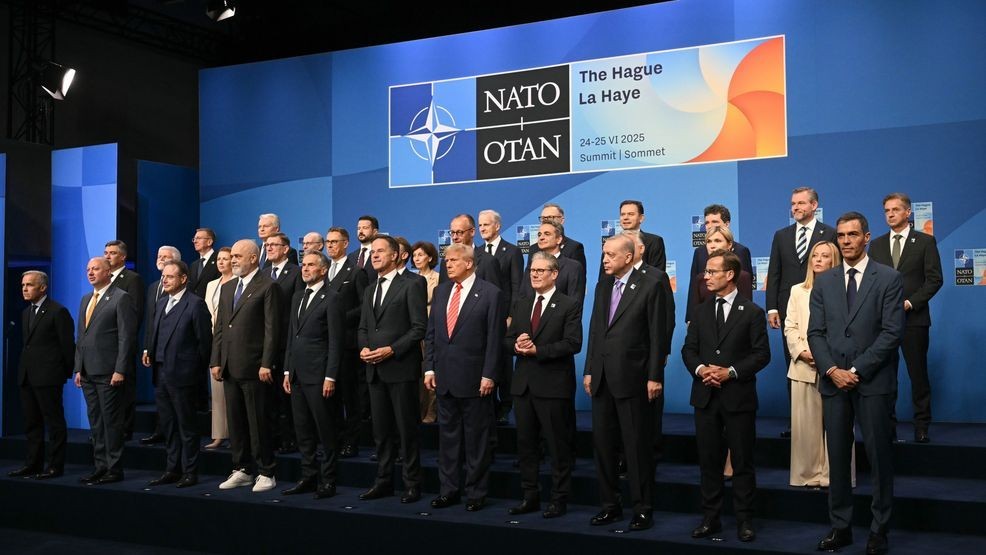
Massie’s position follows President Trump’s repeated demands for NATO members to increase defense spending to at least 3.5% of GDP by 2035. The White House has not responded to requests for comment on the bill, though Massie noted Trump’s pressure tactics have bolstered his argument. Meanwhile, Senate Armed Services Chair Roger Wicker has pushed for expanded security cooperation with NATO’s eastern flank, and senators including Michael Bennet and Joni Ernst introduced legislation urging integrated air defense systems against Russian threats.
The move comes amid growing unease within NATO as several members privately express concerns about Trump’s negotiation tactics on burden-sharing while acknowledging his pressure has forced the alliance to confront long-ignored spending gaps.