By Duggan Flanakin
Persistence Market Research projects the global halal cosmetics market—encompassing skincare, haircare, makeup, fragrances, and personal care—will more than double by 2032, rising from $53.7 billion to $120.2 billion. Another forecast predicts it could reach $171.7 billion by 2033.
Indonesia, home to 835 million Muslims, is a key market, alongside the Middle East, where 400 million Muslims reside across 16 nations, including Israel. Egypt, Turkey, and Iran each host over 80 million Muslim consumers, while Iraq, Saudi Arabia, Yemen, and smaller states like Syria and Jordan also show growing demand for halal-certified products.
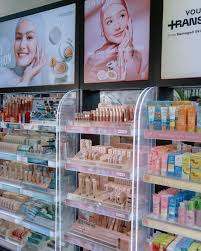
Indonesia’s cosmetics industry, valued at $7.4 billion in 2024, is expanding rapidly under President Prabowo Subianto’s economic policies. Paragon Technology and Innovation, Indonesia’s largest cosmetics company with 25% of the domestic market, has grown from a garage-based enterprise 40 years ago to a global player. Its 14 beauty brands, including Wardah—first Indonesian halal cosmetics line showcased at London Fashion Week in 2022—reported hundreds of millions in sales last year.
The sector’s growth is driven by ethical consumerism, rising Muslim populations, and demand for transparency in halal certification. Products must avoid animal-derived ingredients, alcohol, and non-permissible substances while adhering to Islamic principles like ethical sourcing. Halal inspectors verify compliance, including with imported goods.
Western firms are also pursuing halal certifications, while younger Muslim consumers—millennials and Gen Z—drive demand through influencer marketing and trends. Malaysian entrepreneur Ameera Khan, Somali model Iman Abdulmajid, and former Nisa Foundation executive Yasmine Youssef exemplify this shift.
Paragon’s expansion strategy includes regional offices and partnerships to maintain halal purity abroad. CEO Salman Subakat emphasized the company’s goal to “bring Paragon—and a bit of Indonesia—to the world,” with discussions underway for a Saudi Arabian collaboration. Egypt’s halal cosmetics market is projected to hit $14.67 billion by 2030, fueled by rising incomes and ethical consumerism.
Family-owned businesses like Paragon, which updates products every two years and prioritizes ethical leadership, are seen as models for sustainable growth. Subakat highlighted the company’s mission to empower individuals through confidence-boosting products, aligning with its long-term vision of global influence.