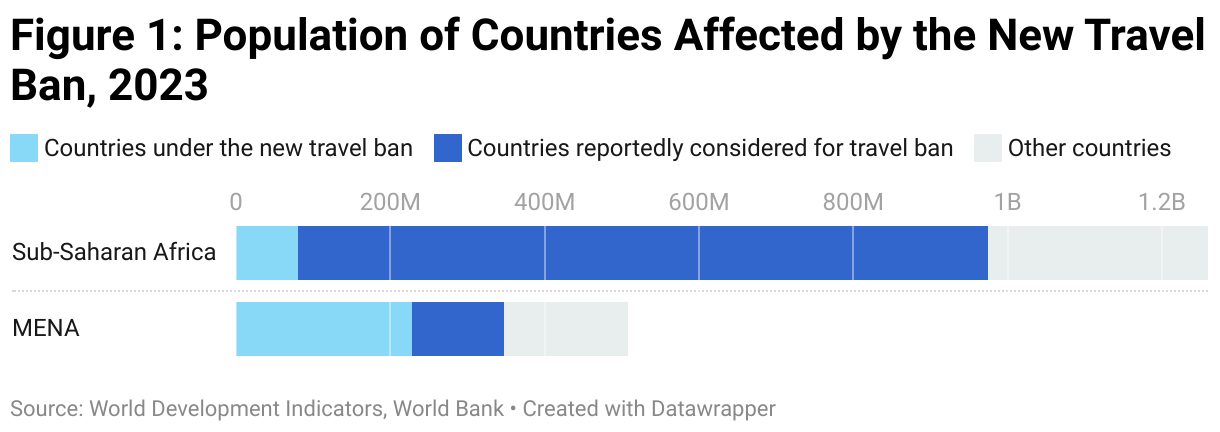
The United States government has broadened its restrictions on immigration from high-risk countries, implementing a sweeping freeze across multiple visa categories and processes. This latest measure includes nations designated under President Donald Trump’s June proclamation.
U.S. Citizenship and Immigration Services (USCIS) directives mandate immediate halts to final adjudications for applicants from the specified 19 countries. The scope is extensive – encompassing all types of immigration petitions, including green card applications, naturalization processes, asylum claims, work permits, and travel documentation. Legal permanent residents scheduled for citizenship oaths originating from these nations face cancellation as well.
USCIS officers are explicitly instructed to defer approvals, denials, and interviews until further clarification is provided by the administration regarding this policy shift. Correspondingly, officials at the Department of Homeland Security emphasized stringent security standards in their prepared statements, aligning with administration claims about prioritizing thorough vetting protocols for national interests.
This move follows heightened concerns within the government over recent events involving nationals from travel-ban countries, including a case where an Afghan individual connected through former President Biden’s resettlement initiatives allegedly received asylum despite related risks. The policy shift underscores ongoing reassessments of past procedures and current security measures.
Asylum-related decisions nationwide have already been suspended by executive order, marking another significant alteration in immigration pathways for both applicants and those granted refuge previously. The affected groups continue to experience disruptions as officials implement these new protocols across the system.