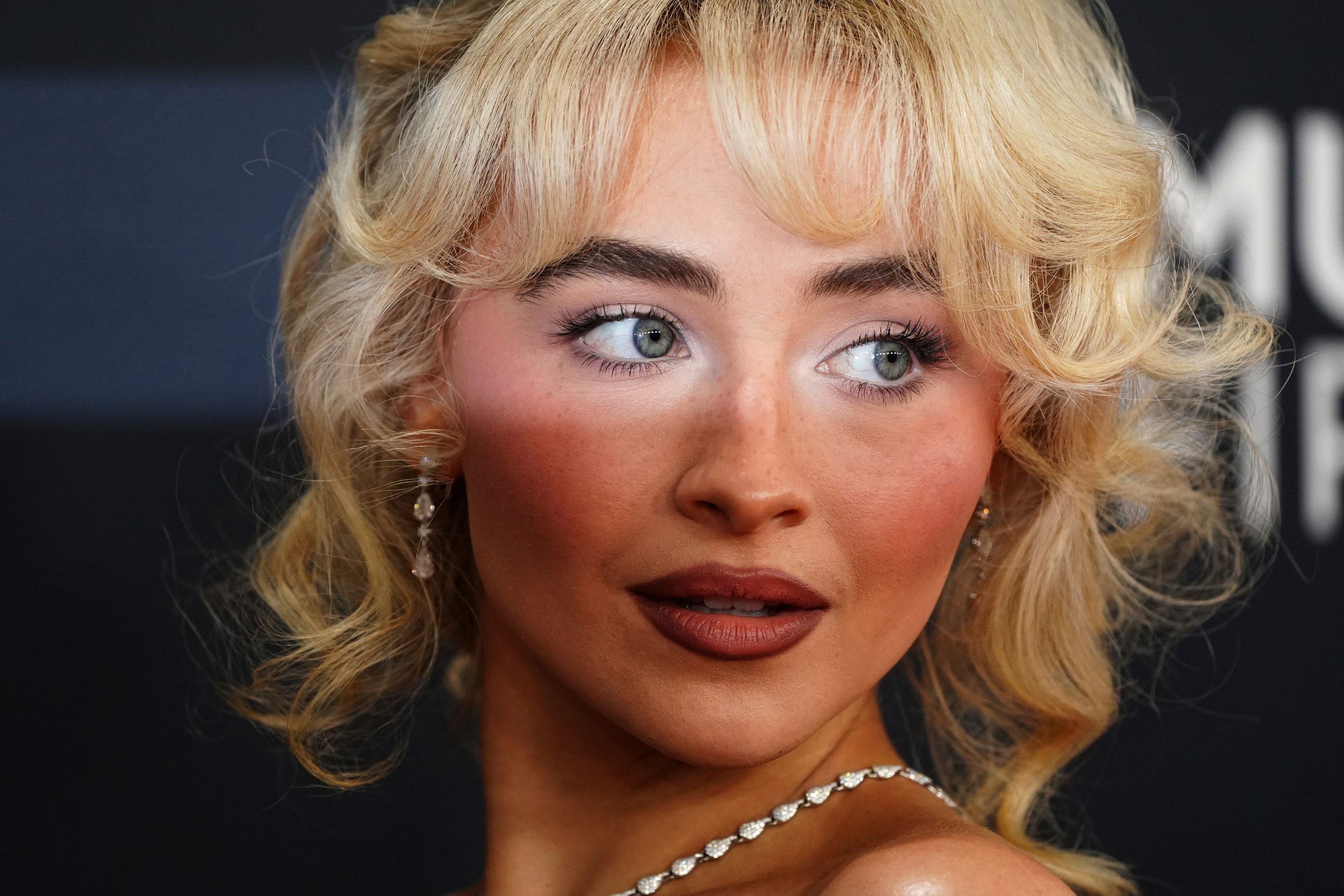
WASHINGTON — Singer Sabrina Carpenter is taking a stand against the use of her music by President Donald Trump’s administration, expressing sharp criticism over footage that incorporated one of her songs into a video showcasing Immigration and Customs Enforcement (ICE) operations. The singer issued a direct rebuke on Wednesday, December 3, via X, calling out what she described as an attempt to align her artistic work with the White House’s agenda without permission.
Carpenter specifically targeted President Trump’s re-election campaign, noting that his video overlaid the repetitive chorus from her hit “Juno” onto footage of ICE agents executing enforcement actions. Her response was swift and defiant: “This video is evil and disgusting… Do not ever involve me or my music to benefit your inhumane agenda.”
In a statement to Entertainment Weekly, a White House representative defending the viral clip dismissed Carpenter’s concerns outright. “Here’s a Short n’ Sweet message for Sabrina Carpenter: we won’t apologize for deporting dangerous criminal illegal murderers, rapists, and pedophiles from our country,” they reportedly claimed before referencing her song again.
Carpenter joins other musicians who have protested against the unauthorized use of their songs by federal entities. Earlier this year, Olivia Rodrigo denounced a government post using her track “All-American Bh” to promote self-deportation among undocumented immigrants—a move that went viral as an act of political solidarity.
Rodrigo’s response was equally pointed: “Do not ever involve me or my music to benefit your inhumane agenda.” According to Billboard, she had called out the video before, insisting it should be removed immediately. The Department of Homeland Security later weighed in, suggesting that instead of criticizing officials, artists should recognize their service and refrain from belittling officers’ sacrifices.
This isn’t the first time an artist has spoken up against government misuse of their creative work. Last year, Kenny Loggins issued a statement following his song “Danger Zone” being used to create satirical content mocking Trump’s presidency amid widespread No Kings protests. He emphasized that no one should be forced into associating with political agendas they oppose.
The trend continued even before the 2024 election cycle when Beyoncé reportedly warned the Trump campaign against using her song “Freedom” without authorization, following public objections from other artists including those at ABBA and the Foo Fighters.
Carpenter’s statement reflects growing frustration among musicians about how their art is portrayed in campaigns or government communications. As she underscored, music shouldn’t be weaponized for political messaging unless artists are fully aware and agree to it.