By Kent Ingle
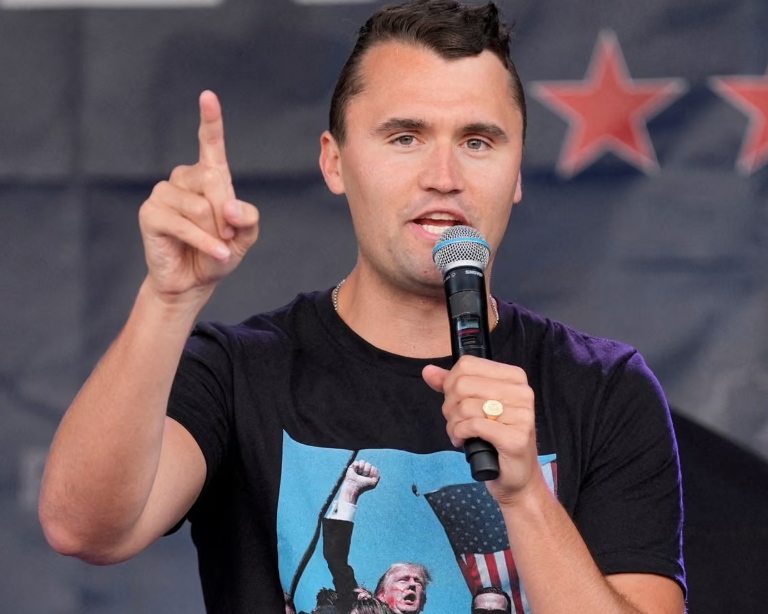
Three weeks ago, America lost a bold and necessary voice. On Sept. 10, while speaking at Utah Valley University, Charlie Kirk was tragically killed by gunfire. He died doing what he had dedicated his life to: engaging students in the battle of ideas, defending truth, and exercising his First Amendment rights in one of the most contested spaces in our culture—places of higher learning.
As a Christian university president, this writer has spent years witnessing how the academic landscape has shifted. I’ve seen institutions increasingly prioritize indoctrination over education, retreat from dialogue, silence dissent, and shield students from ideas that could shape them into critical thinkers and courageous leaders. Charlie Kirk understood this danger and confronted it head-on.
He did not merely speak about freedom; he stood on the front lines of a spiritual and cultural struggle, challenging the next generation to think critically, speak courageously, and stand firm in their convictions. He knew the cost of truth—and was willing to pay it. Charlie’s presence on college campuses wasn’t about seeking applause. In doing so, he modeled what higher education should be.
As leaders in higher education, we bear a responsibility to create environments where such discourse isn’t rare but expected. Scripture commands us to “speak the truth in love” (Ephesians 4:15), which presumes freedom to speak at all. Without that freedom, the classroom becomes a vacuum. Without voices like Charlie’s, students risk being shaped more by slogans and safe spaces than by truth and conviction.
What makes Charlie’s loss even more sobering is that his life embodied what our institutions should form in the next generation. But this burden does not rest solely on him—or others like him. It falls on us as well. This responsibility belongs to faculty, administrators, parents, pastors, policymakers, and all leaders who care about the moral and intellectual formation of this generation.
The First Amendment was never meant to protect easy speech. It was written to safeguard contested, inconvenient, and even offensive speech—because that is where liberty lives. Charlie knew this. And he paid the ultimate price for standing in that gap.
Too many in higher education have forgotten what a university is supposed to be: not a retreat from the world, but a place to prepare students to engage it. It should not shelter them from hard ideas but equip them to face those ideas with truth, wisdom, and moral clarity. When we silence voices simply because we disagree, we are not protecting students—we are robbing them of the very education they came for.
We honor Charlie Kirk best not by mourning in silence, but by speaking with conviction, ensuring his message doesn’t die with him. We recommit ourselves to the freedom he so boldly exercised—in our classrooms, communities, and the hearts of the next generation.
If we want to raise leaders who will speak truth into a divided and uncertain world, we must defend the freedom that makes that possible. We must be bold. We must be faithful. And we must be unafraid to enter the public square, just as Charlie did—again and again.