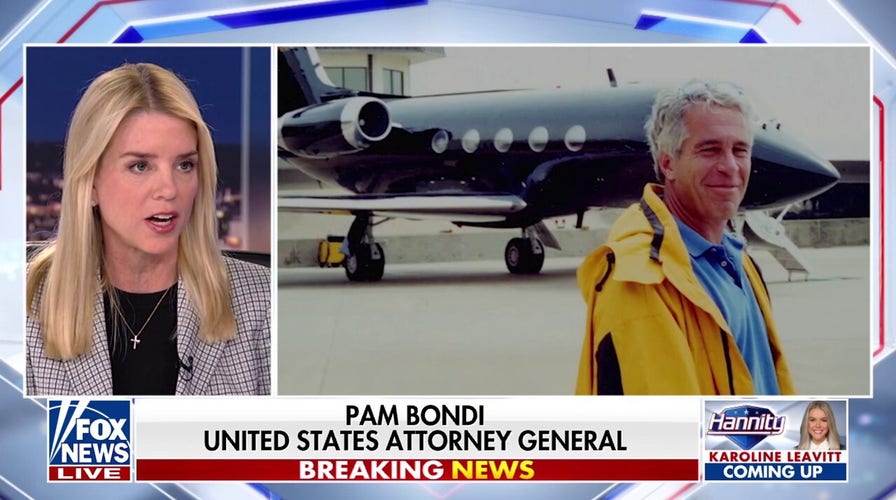
Rep. Robert Garcia, D-Calif., the top Democrat on the House Oversight Committee, announced Thursday that congressional investigators will pursue testimony from former Attorney General Pam Bondi despite her dismissal, as scrutiny intensifies over her handling of sensitive Justice Department matters.
In a social media post, Garcia wrote: “Pam Bondi and Donald Trump may think her firing gets her out of testifying to the Oversight Committee. They are wrong — and we look forward to hearing from her under oath.”
Garcia’s remarks follow growing backlash from segments of the MAGA base, where Bondi had faced criticism in recent weeks for what some viewed as a lack of aggressive action on key conservative priorities. Her dismissal has fueled further debate within Republican circles about loyalty and follow-through on high-profile issues.
In a longer statement, Garcia accused Bondi of leading “a White House cover-up of the Epstein files” and alleged that she had “weaponized the Department of Justice to protect Donald Trump.” He also claimed her actions had put survivors at risk by exposing their identities.
Garcia stated that Bondi “remains legally obligated to appear before our Committee under oath” and must answer questions regarding her handling of the Epstein-related materials and her treatment of Ghislaine Maxwell.
He added that Oversight Democrats are continuing investigations not only into Bondi but also into the now-former Homeland Security Secretary Kristi Noem, signaling that the probes will persist despite recent personnel changes. The Justice Department has not publicly responded to Garcia’s accusations.