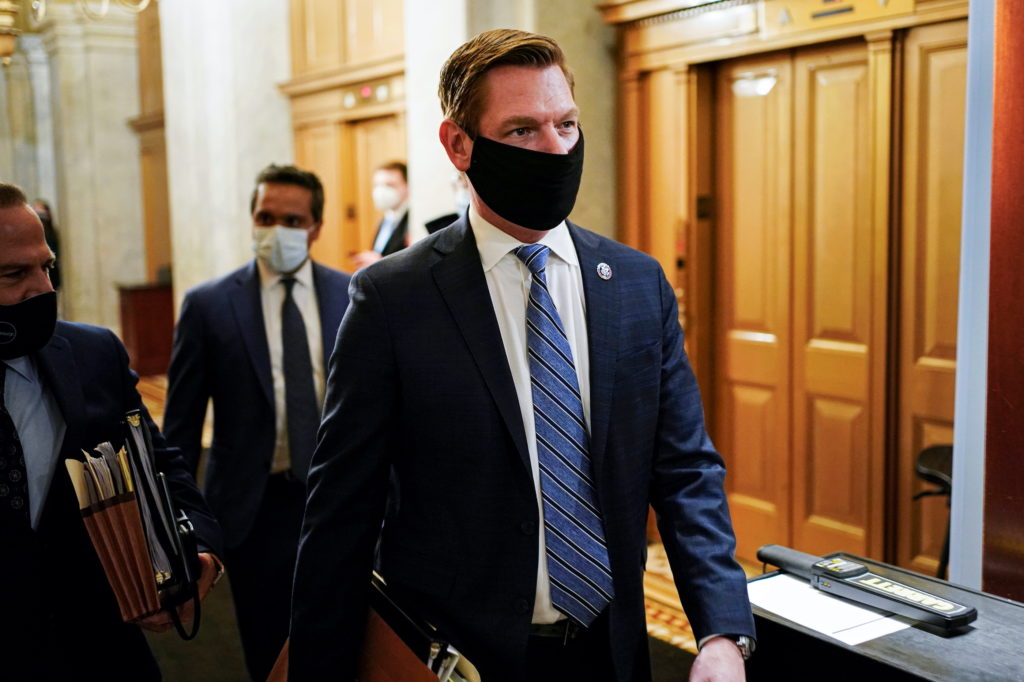
Rep. Pete Sessions warned Thursday that ongoing airport disruptions nationwide are being driven by a high-stakes political battle over funding for the Department of Homeland Security, stating that staffing shortages are already causing widespread economic and travel impacts.
“Every bit of this is hardball at the highest level,” the Texas Republican said. “The bottom line is, there are those that vote yes and those that vote no. And I think we need to aim our attention on those people that vote no.”
Sessions pointed to long lines and delays at airports nationwide, linking the issues to employees not showing up for work amid funding uncertainty.
“The people that are not coming to work are causing huge lines. They are causing a huge problem,” he said.
He added that the ripple effects extend beyond travelers, hitting local economies tied to tourism and business travel. “Eventually, that leads to a meltdown,” Sessions warned. “Not just of people who are taking vacations — you lose hotel revenue, cities lose things. It’s going to have to turn into a full-court press. Cities are going to have to say they cannot tolerate this.”
The comments come as lawmakers debate how to move forward on DHS funding, with some Republicans suggesting more aggressive tactics. Sessions acknowledged calls to sideline Senate Minority Leader Chuck Schumer, D-N.Y., but emphasized the need for negotiation.
“Certainly pressure can be put on,” Sessions said. “We need people who are willing to come and listen and negotiate and work together.”
He also cautioned that political divisions could deepen, warning that future leadership on both sides may take harder positions. “The newest Democrats, the next ones will be hardcore,” Sessions stated.
Beyond domestic issues, Sessions touched on national security concerns, including tensions involving Iran, stressing the importance of clear communication with the public. “We have to be able to sell to the American people reality,” he said. “In fact, there are talks going on.”
Sessions added that lawmakers must weigh military capabilities and diplomatic options carefully. “What do they have left? How are we going to penetrate not only the bunkers that are left, but understand the conversation that’s taking place with their new leadership and negotiate with them or take them out?” he asked. “These are all hard conversations.”