The United States has reportedly advanced a 15-point peace proposal through regional mediators as part of diplomatic efforts to halt the escalating conflict with Iran. President Donald Trump stated on Truth Social that U.S.-Iran discussions were “very good and productive,” and he postponed scheduled strikes on Iranian power plants following those exchanges.
The plan mandates that Iran surrender its stockpile of highly enriched uranium, accept enhanced international inspections at nuclear facilities, restrict ballistic missile ranges, and curtail support for regional proxy militias. Washington has also informed Israel that Iran agreed to temporarily suspend uranium enrichment activities, though the duration and formal commitments from Tehran remain unclear.
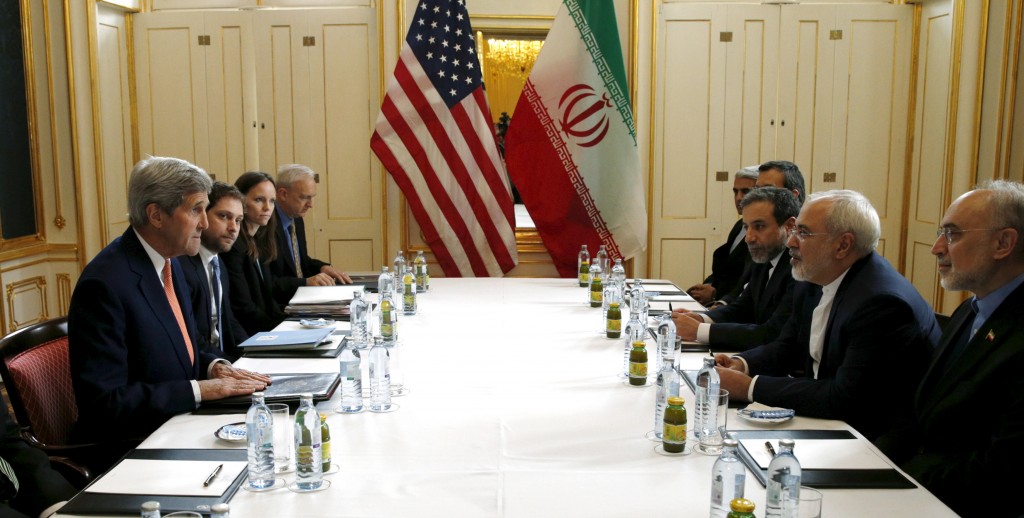
Pakistani Prime Minister Shehbaz Sharif confirmed his nation is prepared to host peace talks if both sides reach consensus. Mediators from Turkey and Egypt have been facilitating communication between U.S. officials and Iranian representatives.
Contrasting statements from Washington and Tehran have left allies and financial markets uncertain whether diplomatic progress is occurring or if the conflict will intensify. Oil prices have surged amid these conflicting signals as missile strikes continue targeting Israeli cities and U.S.-led forces engage Iranian-linked positions in Iraq and Syria.
Analysts note that the U.S. approach may aim to stabilize market expectations, but the gap between Washington’s optimistic stance and Tehran’s public denials suggests any diplomatic initiative remains fragile. Reports indicate the 15-point proposal draws from a framework Iran rejected during last year’s nuclear negotiations.
Even as mediators push for a high-level peace summit by Thursday, the absence of concrete Iranian commitments means hostilities are likely to persist while diplomats test the waters through backchannel communications. Currently, the conflict operates on parallel tracks of active military engagement and tentative diplomatic maneuvering.