By Michael Dorstewitz
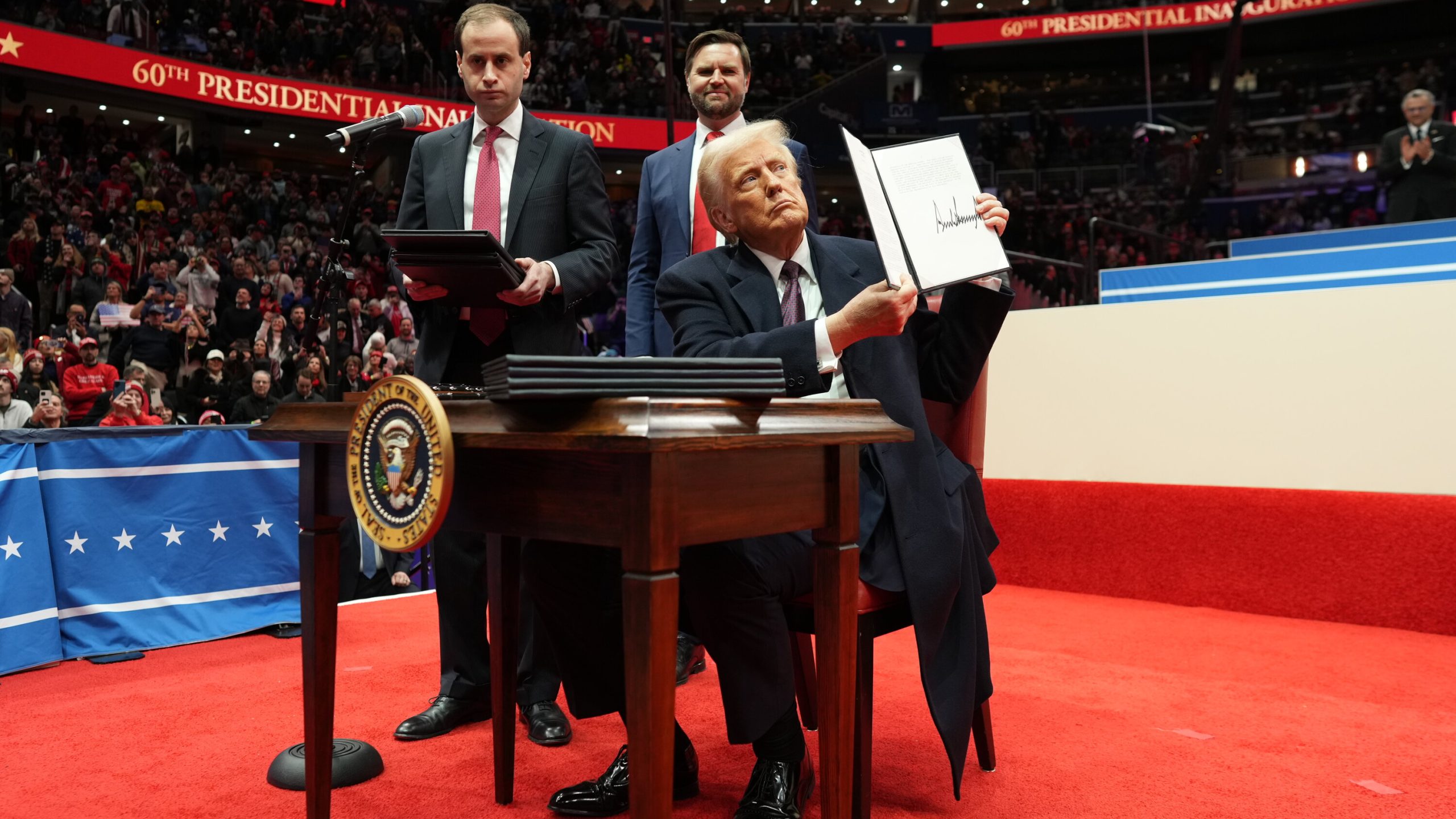
One of the first actions President Trump took at the start of his second term was to sign an executive order ending birthright citizenship, the principle that a person crossing the U.S. border could give birth to a child for the sole purpose of granting them American citizenship.
The Citizenship Clause of the 14th Amendment states, “All persons born or naturalized in the United States, and subject to the jurisdiction thereof, are citizens of the United States and of the State wherein they reside.” On its face, this appears to settle the debate over “anchor babies,” who are legally recognized as U.S. citizens. However, the clause’s original intent challenges this interpretation.
The 14th Amendment was part of the Reconstruction Amendments, which aimed to address post-Civil War injustices. The Dred Scott decision had denied citizenship to African Americans, and the Citizenship Clause sought to reverse that by granting rights to formerly enslaved people and their descendants. It was never designed to enable illegal immigration or create a system where children of undocumented individuals automatically gain citizenship.
After Trump’s executive order, U.S. District Courts in Washington, Maryland, and Massachusetts ruled it unconstitutional. The president appealed to the Supreme Court, which issued a partial decision in June 2025, blocking federal courts from issuing nationwide injunctions. Whether the court will address the core issue of the executive order’s validity remains unresolved.
A significant development came on October 24 when attorneys general from Iowa and Tennessee, along with 22 other states, filed a petition urging the Supreme Court to consider the birthright citizenship debate. These states argue that the Citizenship Clause was misapplied in the 20th century, leading to an influx of undocumented individuals exploiting the system.
The petitioners emphasize that the clause’s original intent was to rectify slavery’s legacy, not to create a pathway for illegal immigration. They cite the 1898 case United States v. Wong Kim Ark, where Chinese parents legally in the U.S. were granted citizenship for their child. This differs from modern concerns about “anchor babies,” as those parents were not undocumented.
The brief also highlights that the Citizenship Clause was meant to end racial discrimination, ensuring citizenship for freed slaves without tying it to illegal entry. If the Supreme Court agrees to hear the case and rules in favor of Trump’s order, it could potentially strip citizenship from those granted it through birth alone. This would mark a significant shift in U.S. immigration policy, aiming to curb incentives for illegal border crossings.
The debate continues as states push for clarity on the legal and moral implications of birthright citizenship in modern America.