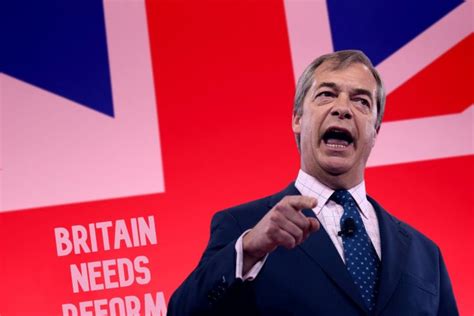
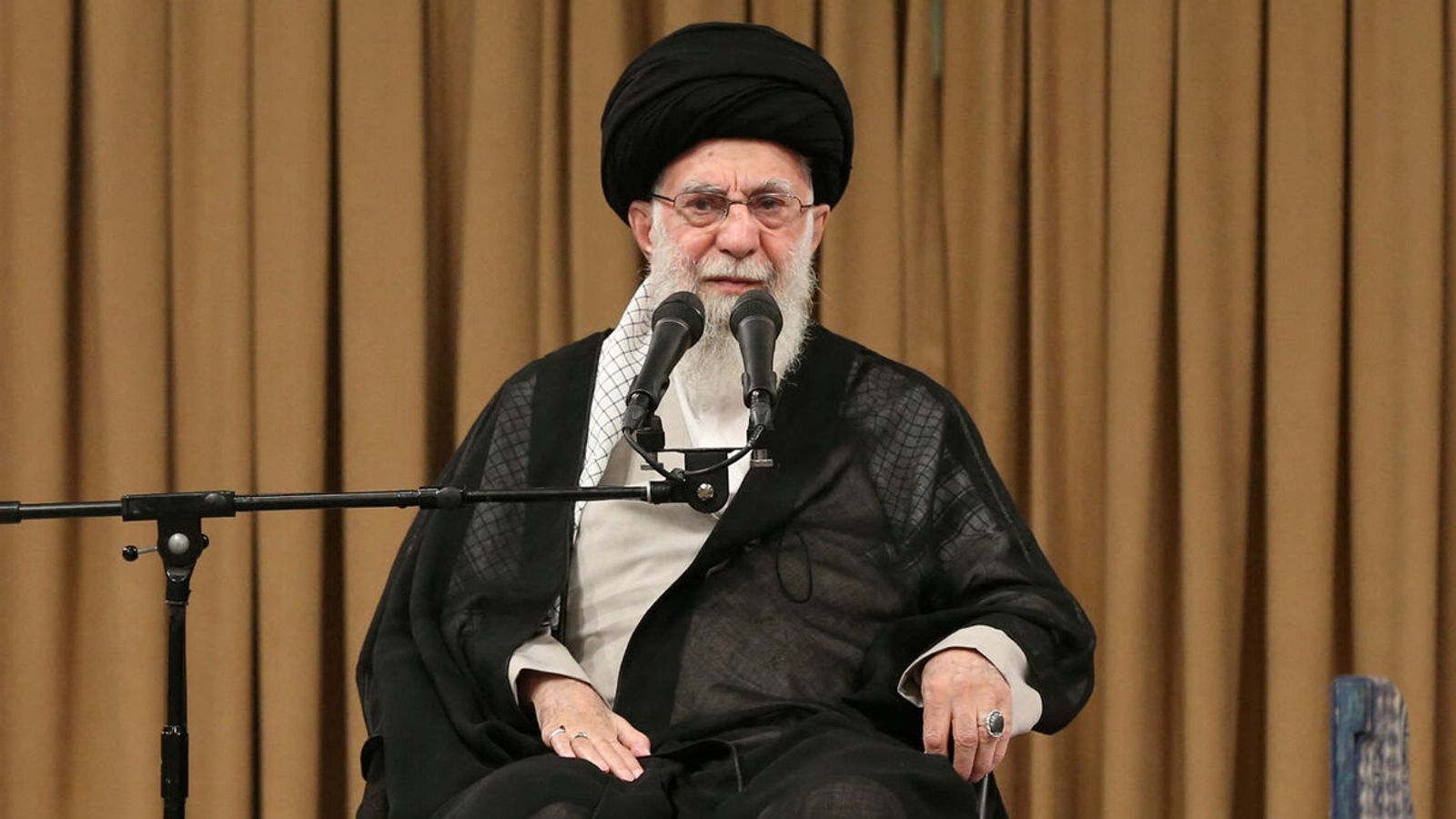
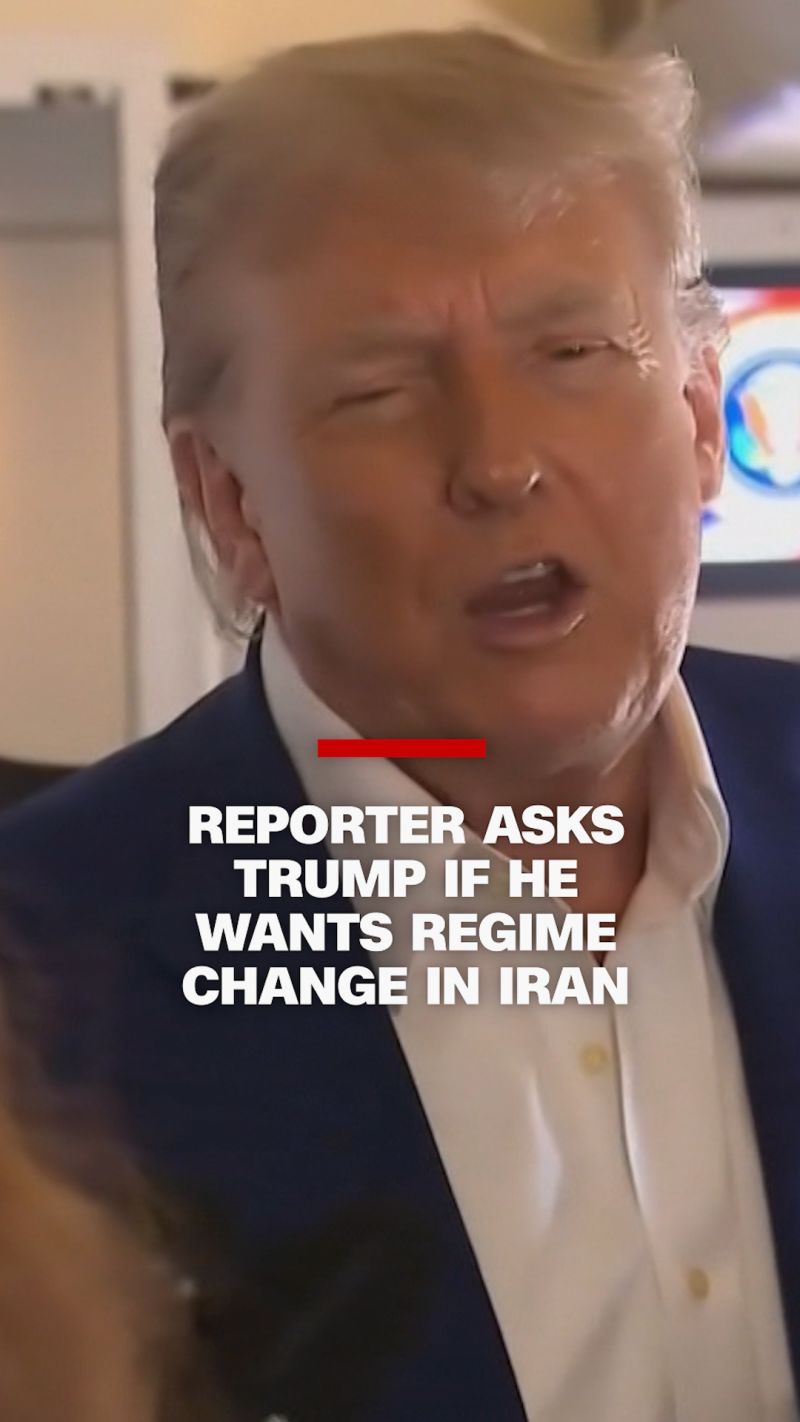
Three decades of U.S. presidents from both political parties—George W. Bush, Bill Clinton, Barack Obama, and Joe Biden—have pledged but failed to prevent Iran’s Mullahs from gaining access to nuclear weapons and delivery systems capable of threatening the “Great Satan”: America, and the “Little Satan”: Israel.
President Trump has honored that pledge with decisive action. The urgency in this regard remains at its highest.
Special envoy Steve Witkoff told Fox News earlier this month: “Both the Iranian negotiators said to us, directly, with no shame, that they controlled 460 kilograms of 60% [enriched uranium], and they’re aware that could make 11 nuclear bombs, and that was the beginning of their negotiating stance.”
Facing Iran’s refusal to forswear nuclear weapons and evidence of its rapid increase in missile sophistication and range, the Trump administration partnered with Israeli leadership and joint military forces to neutralize those threats. Within weeks of the conflict’s start on February 8, Israel and the U.S. have extensively destroyed Iran’s air defenses, missile forces, navy, and command structure.
Despite remarkable speed, this effort carries near-term economic costs. Iran has deployed swarms of cheap drones and mines via small fast boats to shut down global oil shipping through the Strait of Hormuz—a move intended to drive prices up for extended periods, forcing a cessation of U.S.-Israeli strikes on military targets.
Since the bombing began on February 8, average gasoline prices have risen by 43 cents per gallon to $3.42 for regular unleaded, ranging from $2.98 in Galveston, Texas, to $5.16 in Los Angeles. International oil prices briefly surged past $100 a barrel after seven tankers were attacked by Iran across the Persian Gulf.
Nevertheless, American gasoline prices have been higher during periods of President Biden’s administration when his team halted natural gas exports, shut down Alaskan and Gulf drilling, and pressured energy investors to abandon fossil fuel projects. Additionally, the Biden administration raided nearly half of America’s Strategic Petroleum Reserve ahead of midterm elections in 2022.
Trump has accelerated U.S. oil and gas production and exports while securing cooperation from American Gulf allies to address supply disruptions. The International Energy Agency (IEA) recently announced plans to release a historic 400 million barrels of emergency reserves, following Energy Secretary Chris Wright’s call for members to drop climate disaster obsessions and confront the true existential threat.
On March 13, U.S. forces surgically targeted military assets on Iran’s Kharg Island—leaving its primary oil export terminal intact. Located 300 miles north of the Strait of Hormuz, this facility pumps 90% of Iran’s oil into supertankers bound for China.
Trump noted in a Truth Social post: “A potential U.S. action against the island is already a threat that Iran is taking seriously . . . so better to keep this as a potential card to play and an item of leverage during cease-fire and peace talks.”
In response to a CNN report claiming the Pentagon and National Security Council underestimated worst-case consequences of the war on the Strait of Hormuz, Secretary of War Pete Hegseth dismissed it as “patently ridiculous,” stating: “Of course, for decades, Iran has threatened shipping in the Strait of Hormuz. This is always what they do hold the Strait hostage. CNN doesn’t think we thought of that. It’s a fundamentally unserious report.”
As for the oil price spike, traffic stoppage in the Strait of Hormuz was not unexpected as a reason past presidents avoided confronting Iran’s nuclear program. What differs now is the U.S.’s ample oil and gas reserves under President Trump’s leadership to weather disruptions and support allies.
At a Kentucky rally recently, Trump remarked: “We don’t want to leave early, do we? We got to finish the job … We don’t want to go back every two years.”
U.S. Energy Secretary Chris Wright described the situation pragmatically: “Short-term pain for long-term gain” of denying Iran’s mullahs the ability to “hold the world hostage whenever it wants.”