In life, we all know there are winners and losers. At different times in our lives—both personally and professionally—we each identify as both.
I have previously written about recovering from professional loss, yet most of us also experience personal loss.
Fortunately, both types of loss can become opportunities to move from victim to victor with the right encouragement and support. The key is knowing how to provide it.
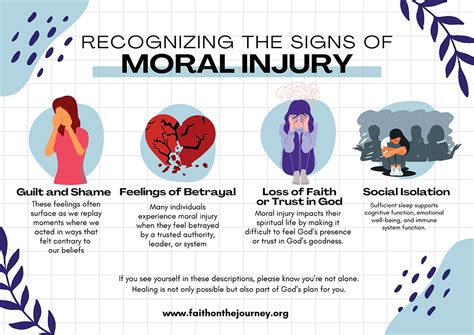
While physical injuries take time to heal, emotional losses can be even more prolonged. This is especially true with moral injury—a condition where wounds go deeper than skin.
Within law enforcement, moral injury has been defined as psychological distress experienced by officers who witness traumatic events involving actions that violate deeply held moral beliefs and expectations.
Though initially studied among veterans and soldiers, moral injury has since been examined in fields such as social work, healthcare, and policing.
One of the most insidious aspects of moral injury is its impact on those suffering from symptoms without understanding why they experience negative thoughts.
Experiencing trauma is difficult enough; moral injury adds a layer of self-blame that can severely damage one’s sense of identity.
Thankfully, this is not always the case.
Untreated, moral injury can lead to loss of identity. But it doesn’t have to.
A 2026 study by Thomas J. Hodges et al. found that while some moral injuries result in identity loss, others allow people to maintain their identity, make sense of traumatic experiences, and build resilience against disorders of traumatic stress.
In this research, Hodges et al. examined identity loss and maintenance among service members.
Using data from a study of U.S. veterans, they discovered an indirect link between morally traumatic events and moral injury symptoms related to military identity.
The researchers note that these findings show identity is connected to moral injury symptoms, though it remains unclear whether morally injurious incidents are linked with personal identity.
They also stress that the results depend on how identity is defined.
Hodges et al. acknowledge that many military members who leave service feel as if they’ve lost a part of themselves.
Some veterans miss friends and colleagues—and even the shared purpose of military life—leaving them feeling unfit for civilian life.
Others experience negative outcomes such as homelessness, suicidal thoughts, and legal issues.
Hodges et al. note that while identity struggles are common among those who leave military service, these challenges can be intensified for veterans who experienced moral injury during their service, causing enduring psychological and spiritual damage from events they perceived as morally wrong.
Correctly recognizing both the cause and symptoms of moral injury in loved ones—rather than simply labeling someone as “depressed”—is crucial for recovery.
Because perceived loss of identity due to moral injury depends on how it is measured, discussing the professional contexts where difficult decisions with traumatic consequences occur—from the operating room to the battlefield—can help reframe experiences. Combined with assurances of having acted with the utmost care and attention, this can assist those suffering from moral injury in reshaping their experience in a more positive light.
In professions where post-traumatic injury and self-blame are common, professional help is available.