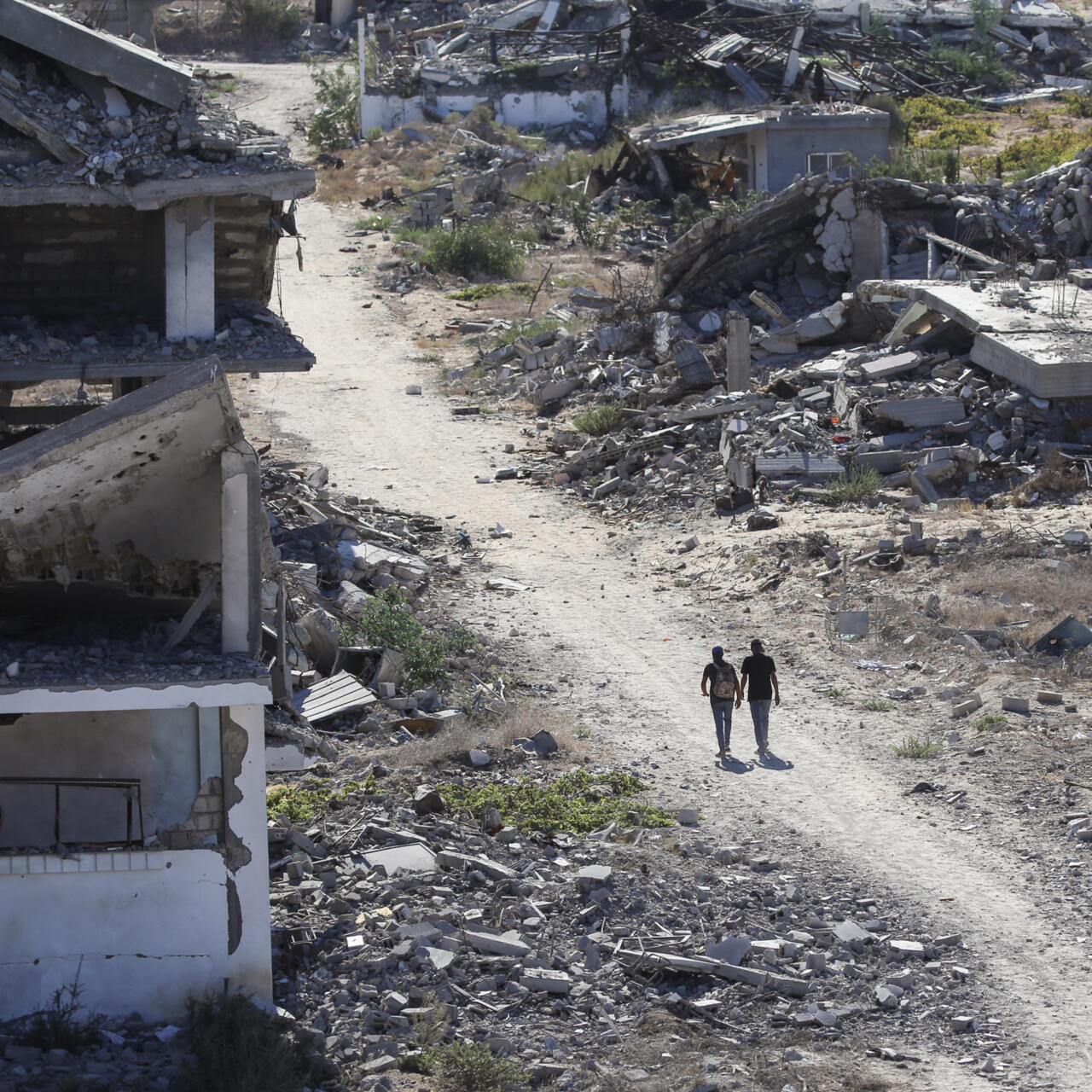
Former National Security Council Chief of Staff Fred Fleitz stated Friday that the ceasefire between Israel and Hamas remains unstable, with efforts to stabilize Gaza now dependent on forming an international peacekeeping force willing to operate under hazardous conditions.
Fleitz noted that Vice President JD Vance had expressed cautious optimism about the ceasefire’s progress, emphasizing the priority of securing the release of hostages. “The priority was getting out the live hostages,” Fleitz said, highlighting the successful extraction as a critical step forward. However, he warned that maintaining the truce would be far more complex.
He explained that an international stabilization force is being considered to persuade Hamas to adhere to the ceasefire agreement. “We have to find nations that will deploy troops in Gaza,” Fleitz said, acknowledging ongoing discussions about which countries might contribute and under what terms. He mentioned potential participants such as Egypt, Indonesia, Pakistan, and Azerbaijan but cautioned that regional politics could hinder progress.
Fleitz also addressed concerns about Hamas’s willingness to relinquish its weapons, a key condition for the peacekeeping mission. “Hamas does not want to give up its weapons,” he said, adding that some fighters might retain personal arms, complicating negotiations. Despite these challenges, Fleitz remained cautiously optimistic, stating, “There is still hope,” while underscoring the need for difficult decisions to ensure stability in Gaza.