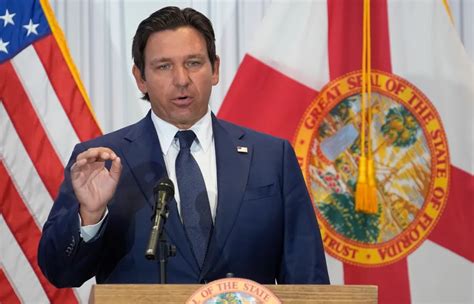
Florida Governor Ron DeSantis announced Sunday that he will convene a special legislative session beginning Monday to consider a constitutional amendment sharply expanding Florida’s homestead property tax exemption.
Under the proposed measure, the exemption threshold would rise from $50,000 to $250,000, adjusted for inflation. If approved by lawmakers, the change could eventually eliminate property taxes for most primary homeowners in the state while curbing local government revenue growth.
DeSantis stated that approximately 60% of Florida homeowners with homestead properties would pay no property taxes if the amendment passes. He added that future increases in the exemption could cover up to 92% of homeowners if the threshold reaches $500,000.
“We want that to be tax-free,” DeSantis said of homestead properties owned by Florida residents. “This is really an historic opportunity to have more money in people’s pockets and to actually have their home be their private property that the government just can’t use as a piggybank.”
The governor cited rising local government property tax collections as justification for the proposal, noting revenues have grown from $32 billion in 2019 to roughly $60 billion today. He predicted collections could reach $83 billion by 2032 if current trends continue.
“If we don’t give homeowners relief, by 2032 they’re going to be taking in $83 billion,” DeSantis said. “That is not sustainable.”
DeSantis emphasized the proposal would be phased in gradually and argued local governments could adjust spending accordingly. He also mentioned a state grant fund would assist local jurisdictions facing budget pressures for services such as public safety and education.
“Because we have surplus at the state level, we are creating a fund that will be able to issue grants to local governments,” DeSantis stated.
The governor highlighted Florida’s fiscal position as key to the proposal, noting the state has no income tax and reduced overall spending for four consecutive years. He contrasted Florida’s budget (around $117 billion annually) with New York State, which he said serves fewer residents despite higher spending.
DeSantis also noted that Florida has retired half of its long-term debt since statehood in the 1840s and during his administration.
Beyond property taxes, DeSantis pointed to migration from high-tax states as a benefit for Florida, stating concerns over proposed wealth taxes have accelerated the movement of affluent individuals to the state.
When asked about Florida’s political landscape ahead of the 2026 elections, DeSantis stated he remains focused on governance and has not yet made endorsements in the gubernatorial race. He noted that Florida has shifted from a swing state to one with a significant Republican voter registration advantage: “Now we have 1.5 million more registered Republicans than Democrats.”
The governor also praised President Donald Trump for supporting Everglades restoration efforts, calling it the largest environmental restoration project in U.S. history.