By Zoe Papadakis | Wednesday, 27 May 2026 12:25 PM EDT
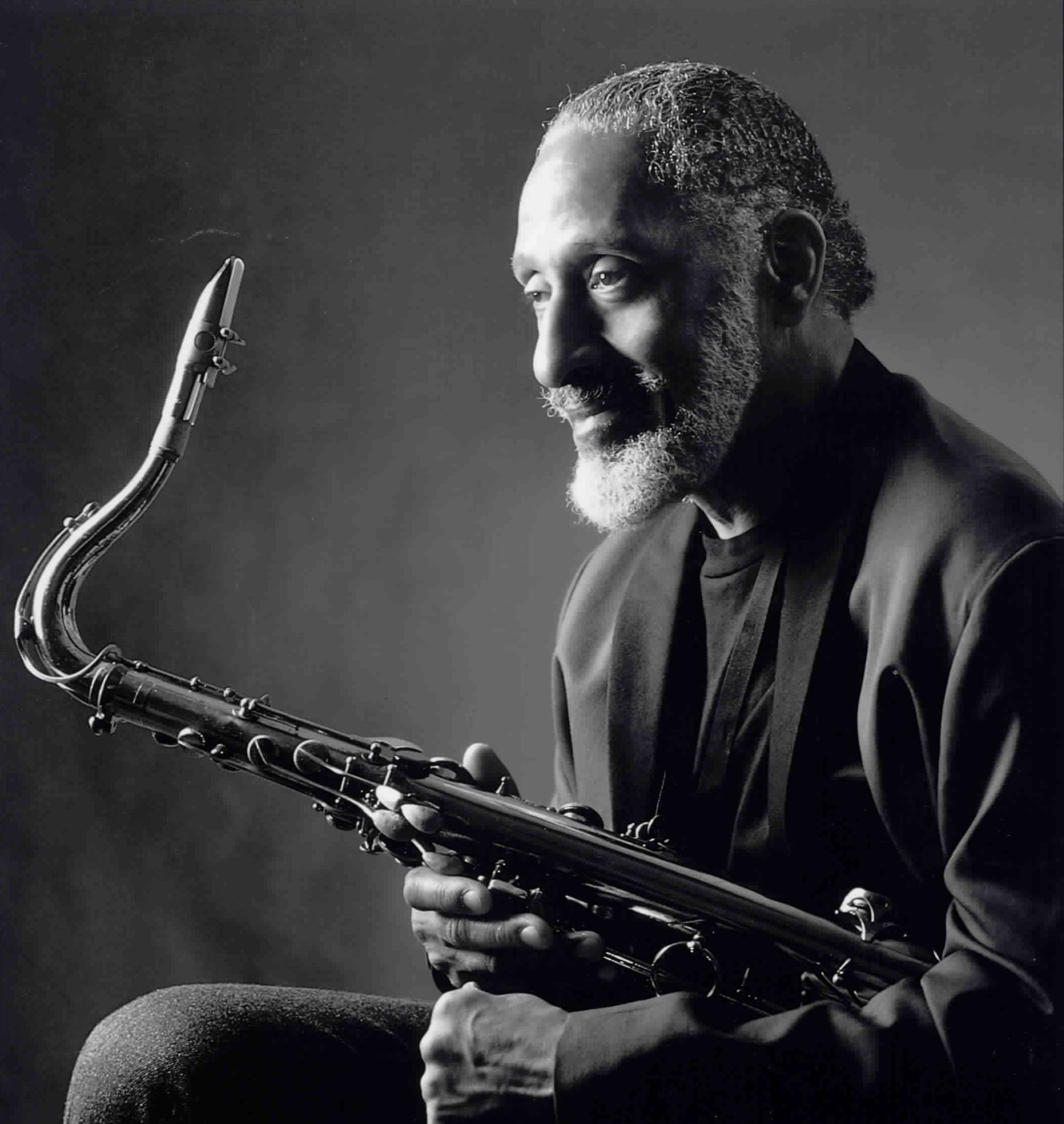
Sonny Rollins, the legendary jazz saxophonist widely known as “the Saxophone Colossus” and one of the last surviving giants of the bebop era, died at age 95 Monday at his home in Woodstock, New York.
His publicist, Terri Hinte, confirmed the death, which was also announced on Rollins’ website “with deep sorrow and profound love.”
The two-time Grammy winner had retired from performing in 2014 after being diagnosed with the lung disease pulmonary fibrosis.
Over a prolific career that began in the late 1940s, Rollins released more than 60 albums and reshaped modern jazz alongside pioneers like Miles Davis, John Coltrane, and Thelonious Monk.
His innovative, expansive style of improvisation earned him a reputation as one of the genre’s greatest figures.
Saxophonist Branford Marsalis called him “the greatest improviser in the history of jazz” alongside Louis Armstrong, and former President Barack Obama awarded him the 2010 National Medal of the Arts.
Born Walter Theodore Rollins in New York City in 1930 and raised in Harlem, he began studying the saxophone at age 7.
By high school, he was playing in bands alongside future jazz stars like Jackie McLean and Kenny Drew.
He quickly rose to fame in the New York bebop scene, with Miles Davis later writing that Rollins rapidly became a legend and a god to younger musicians due to his aggressive, innovative style.
Rollins’ rise was briefly interrupted by a heroin addiction, which led to a 10-month jail sentence on Rikers Island following a 1950 armed robbery.
However, after completing a rehabilitation program in 1955, he launched a major creative surge. He released foundational jazz albums including “Saxophone Colossus” (1956), “Way Out West” (1957), and the politically charged “Freedom Suite” (1958), a 20-minute composition that became an anthem for the growing civil rights movement.
Known for his extreme discipline, Rollins famously took a three-year sabbatical from the stage in 1959 to practice up to 15 hours a day on the pedestrian walkway of the Williamsburg Bridge, inspiring his 1962 comeback album, “The Bridge.”
He took another hiatus from 1969 to 1971 to study yoga and philosophy at an ashram in India.
In later decades, his work spanned avant-garde, fusion, and R&B styles. He composed the soundtrack for the 1966 film “Alfie,” contributed uncredited solos to the Rolling Stones’ 1981 album “Tattoo You,” and staged environmental benefit concerts.
Rollins was married twice, first briefly to Dawn Finney, and later to Lucille Pearson, who died in 2004.
During the Sept. 11 attacks, the couple was forced to evacuate their apartment near the World Trade Center. Rollins left with only his saxophone, performing an acclaimed live set in Boston days later that was released as “Without a Song: The 9/11 Concert” and earned him a Grammy.