By Solange Reyner | Thursday, January 1, 2026 2:37 PM EST
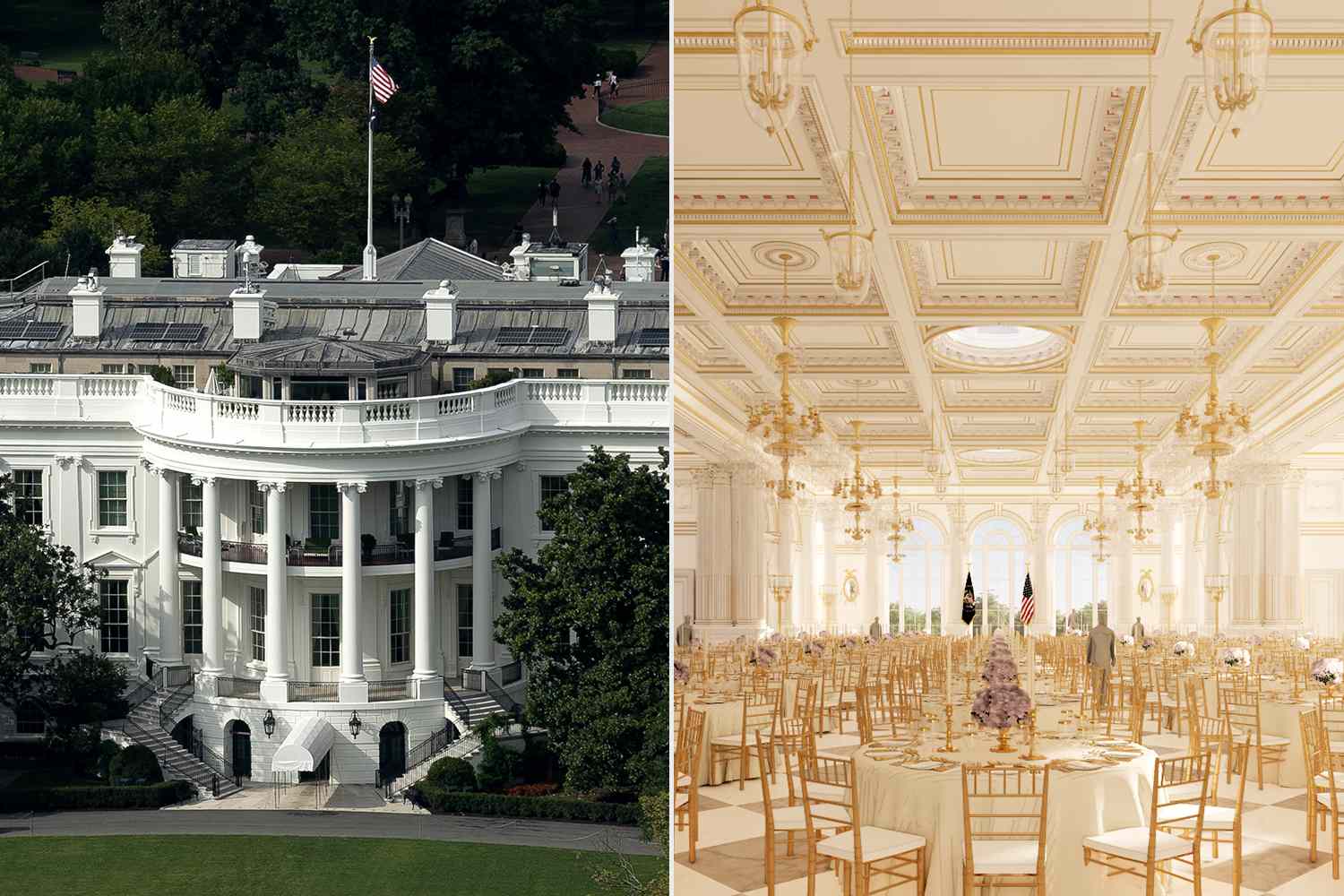
The Trump administration has sought approval for a proposed $400 million East Wing ballroom in just nine weeks—a timeline that contrasts sharply with other large-scale federal projects, which typically take years to move through the same review process.
The administration plans to present the project at the National Capital Planning Commission on January 8 and then at the Commission of Fine Arts on January 15. Final votes are scheduled for February 19 at the Commission of Fine Arts and March 5 at the National Capital Planning Commission.
A White House official told The Washington Post that the administration formally submitted applications to both committees on December 22, though the National Capital Planning Commission confirmed it had not received the application as of Tuesday.
The National Trust for Historic Preservation sued President Trump and several federal agencies in December over the ballroom construction. In their lawsuit, the group claimed the project was proceeding without legally required reviews or approvals.
“No president is legally allowed to tear down portions of the White House without any review whatsoever—not President Trump, not President Biden, and not anyone else,” the lawsuit stated.
U.S. District Judge Richard Leon denied the group’s bid for a temporary restraining order, noting that the group failed to show “irreparable harm” at this stage in its lawsuit while adding that the government must be prepared to undo any below-ground construction that dictates a specific design.
Since his January return to office, President Trump has installed gold decorations throughout the Oval Office and paved over the Rose Garden lawn to create a patio resembling his Mar-a-Lago estate in Florida. The envisioned 90,000-square-foot ballroom would dwarf these renovations.
In comments at a recent Hanukkah reception at the White House, Trump said the ballroom would cost $400 million—up from an earlier $300 million estimate.
“President Trump has full legal authority to modernize, renovate, and beautify the White House—just like all of his predecessors did,” a White House spokesman stated recently.