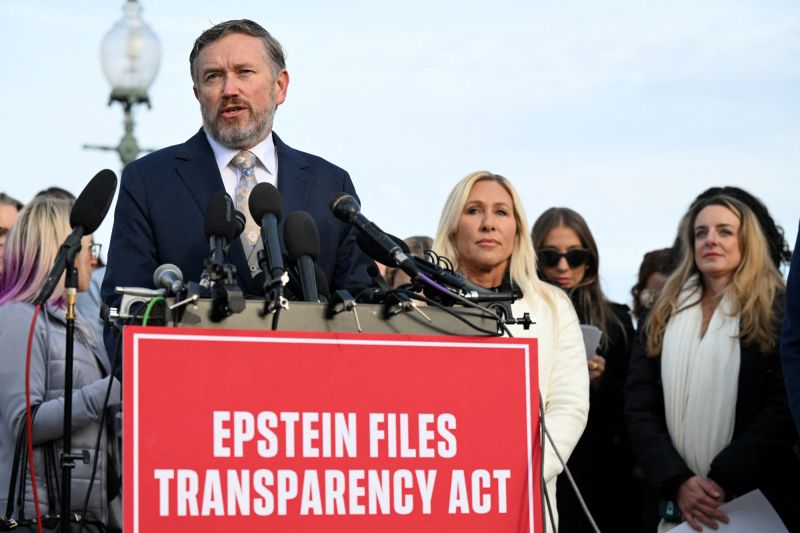
More than a dozen survivors of convicted sex offender Jeffrey Epstein have demanded that Congress hold the Justice Department accountable, alleging the agency violated federal law by failing to release all Epstein-related records and mishandling sensitive victim information.
In a letter sent to lawmakers on Monday, 18 survivors stated that the DOJ missed a December 19 deadline required under the Epstein Files Transparency Act and released only a fraction of the documents mandated by the law. They also accused the department of applying sweeping redactions without explanation while failing to protect victims’ identities.
“The law, enacted by a nearly unanimous vote in the House and unanimously in the Senate, and signed by the President, was clear,” the survivors wrote. “It afforded no permission for delayed disclosure.”
The survivors noted that the limited set of documents released last Friday fell far short of what Congress ordered. They highlighted that no financial records were included and that a 119-page grand jury report—released only after judicial approval—was entirely redacted.
“What we received was riddled with abnormal and extreme redactions with no explanation,” the letter stated. “At the same time, numerous victim identities were left unredacted, causing real and immediate harm.”
The group reported that hundreds of thousands of pages of records remain unreleased, calling the DOJ’s actions “clear-cut violations of an unambiguous law.” The Epstein Files Transparency Act requires the Justice Department to release all records from the investigation into Epstein’s activities while allowing redactions for victim protection and sensitive information.
Survivors argued that the DOJ ignored both disclosure requirements and victim-protection mandates. Deputy Attorney General Todd Blanche stated additional documents would be released in coming weeks but did not explain why the deadline was missed. He defended the department’s handling, saying releasing sensitive information improperly could have caused greater harm.
“Imagine if we had released tons of information around victims,” Blanche said. “That would be the true crime.”
Survivors strongly disputed that claim, noting the DOJ failed to communicate with them about withheld documents, delays, or how victims could access records related to their cases. They also criticized the released files as difficult or “impossible” to search and reported repeated unanswered requests for copies or clarification.
“There has been no communication with survivors or our representatives,” the letter stated.
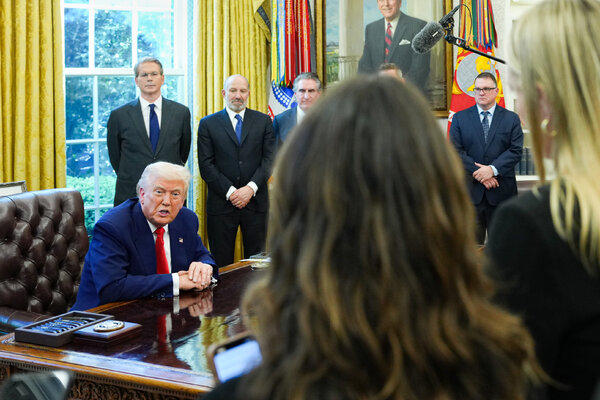
Blanche said the department responded to concerns raised by victims’ advocates and removed certain images when flagged. One photograph of President Donald Trump was initially removed from released files before being restored, raising questions about selective withholding.
Blanche explained the image was temporarily pulled over concerns about identifying women pictured alongside Trump.
The survivors urged Congress to intervene, calling for hearings, formal demands for compliance, and potential legal action. “We call upon Congress to stand up for the rule of law,” they wrote.
Senate Minority Leader Chuck Schumer, D-N.Y., introduced a resolution Monday urging the Senate to pursue legal action against the Trump administration over the redactions and delays.